Introduction
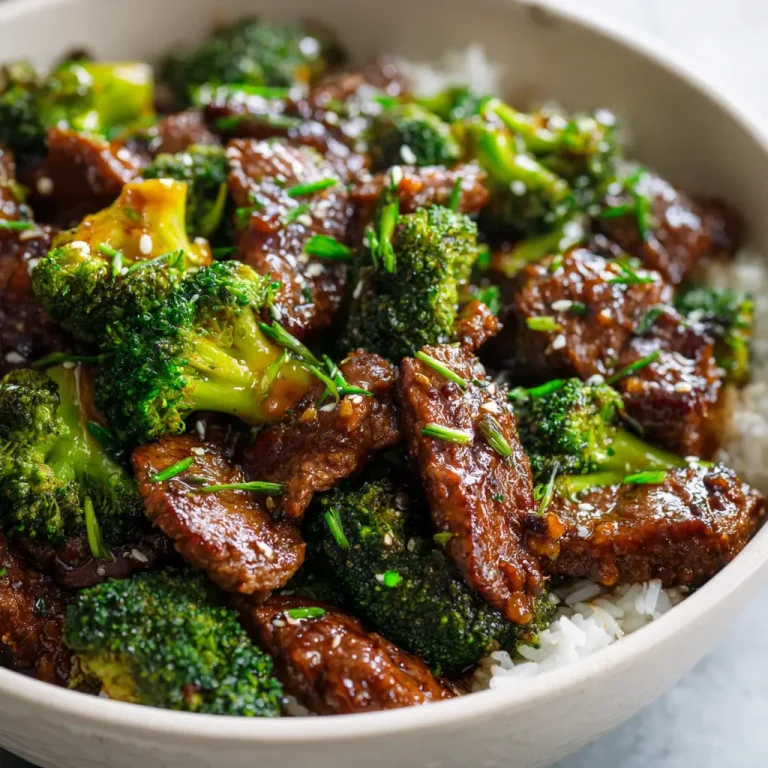
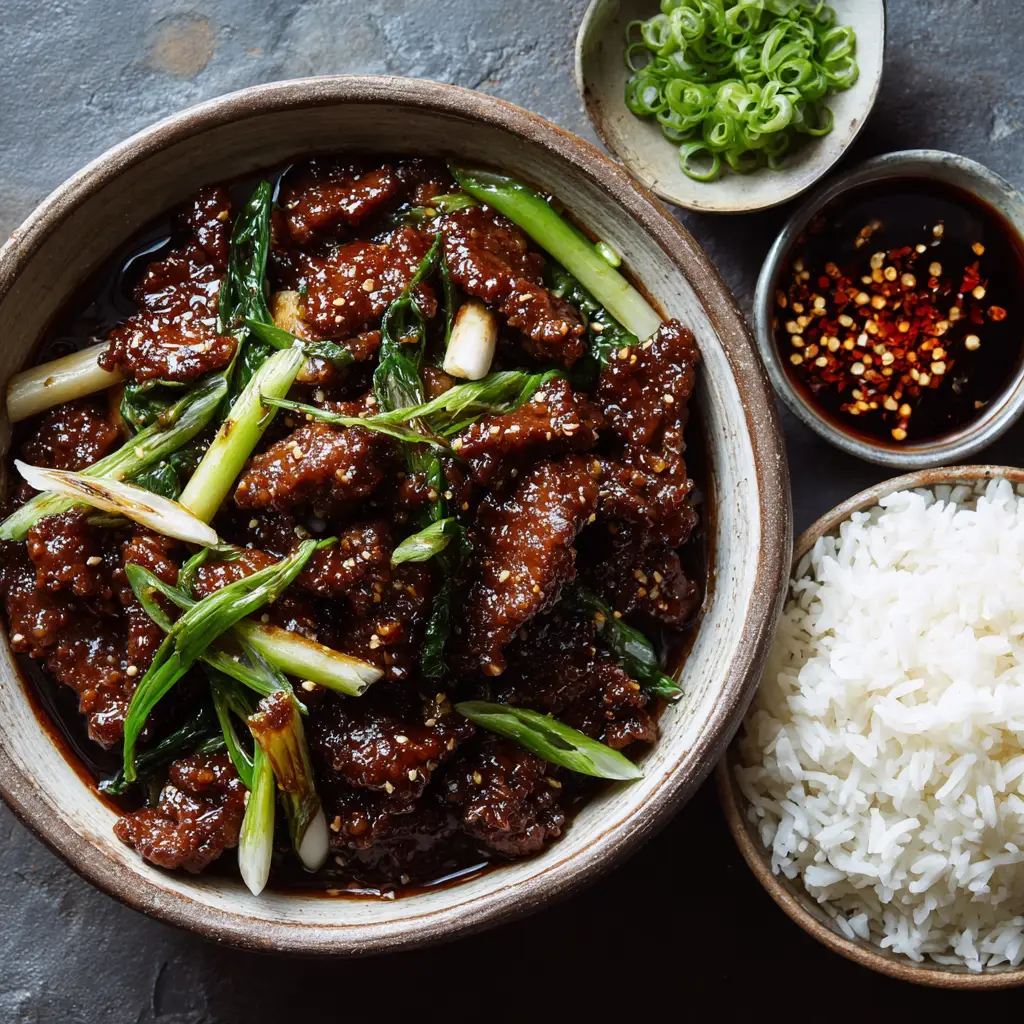
Mongolian beef is one of those dishes that instantly wins hearts with its rich flavor, glossy sauce, and tender beef. The combination of sweet and savory notes, balanced perfectly with garlic and soy sauce, creates an irresistible taste that feels both comforting and indulgent. Many people associate it with restaurant-style Chinese cooking, but it is surprisingly simple to prepare at home. The beauty of this dish lies in how quickly it comes together once the ingredients are prepped, making it a favorite choice for weeknight dinners or when craving a takeout-style meal without leaving home.
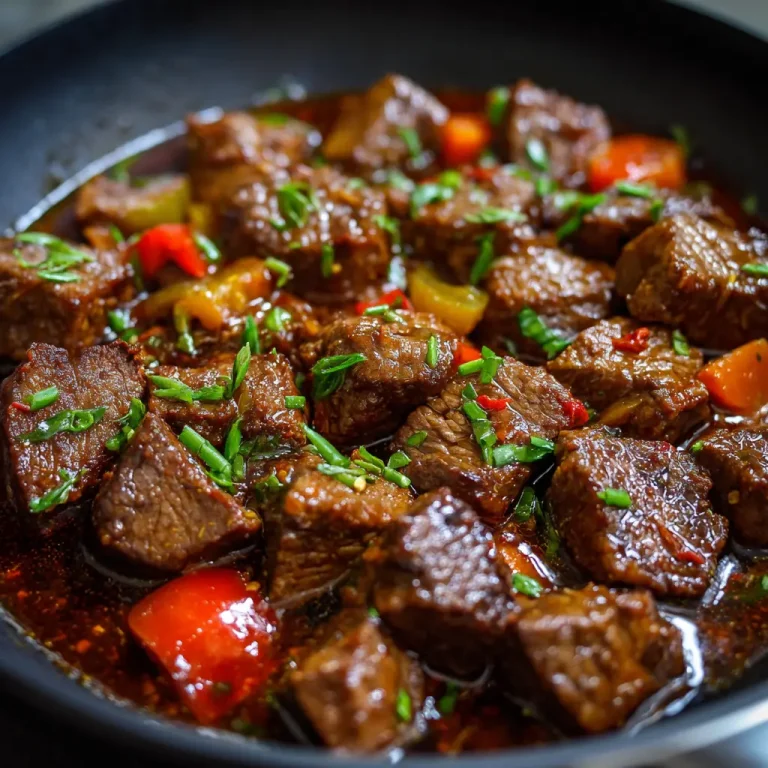
A homemade Mongolian beef recipe allows you to enjoy all the authentic flavors while controlling the quality of ingredients and seasoning levels. Thinly sliced beef coated in a flavorful sauce becomes perfectly caramelized in the pan, creating a dish that pairs beautifully with steamed rice or noodles. The glossy coating of the sauce clings to every piece of beef, ensuring each bite is rich and flavorful. Whether you are cooking for family, guests, or yourself, this dish always feels special and satisfying. Once you master it, Mongolian beef easily becomes a regular addition to your cooking routine because of its balance of simplicity and taste.
Ingredients Needed
| Ingredient | Quantity | Calories |
|---|---|---|
| Flank steak (thinly sliced) | 1 pound | 680 |
| Cornstarch | 3 tablespoons | 90 |
| Soy sauce | ½ cup | 60 |
| Brown sugar | ⅓ cup | 150 |
| Garlic (minced) | 4 cloves | 20 |
| Fresh ginger (grated) | 1 tablespoon | 10 |
| Green onions (chopped) | ½ cup | 15 |
| Water | ¼ cup | 0 |
| Vegetable oil | 3 tablespoons | 360 |
| Red pepper flakes (optional) | ½ teaspoon | 3 |
Step-by-Step Cooking Instructions
Step 1: Slice the flank steak thinly against the grain to keep the meat tender after cooking.
Step 2: Coat the beef slices evenly with cornstarch and let them rest for about 10 minutes so the coating sticks well.
Step 3: Heat vegetable oil in a large skillet or wok over medium-high heat until it shimmers.
Step 4: Add the beef slices in batches, making sure not to overcrowd the pan, and cook until browned on both sides.
Step 5: Remove the cooked beef from the pan and set it aside on a plate while preparing the sauce.
Step 6: In the same pan, reduce the heat to medium and add minced garlic and grated ginger, cooking until fragrant.
Step 7: Pour in soy sauce, water, and brown sugar, stirring until the sugar dissolves completely and the sauce thickens slightly.
Step 8: Return the cooked beef to the pan and toss it in the sauce until every piece is evenly coated.
Step 9: Add chopped green onions and cook for another minute to enhance flavor and add freshness.
Step 10: Remove from heat and serve hot with steamed rice or noodles for a complete meal.
Tips for Customizing the Recipe
The versatility of Mongolian beef makes it perfect for personalization. You can substitute flank steak with sirloin or ribeye for a richer flavor or use chicken or tofu for a lighter variation. Adjust the sweetness by reducing or increasing brown sugar depending on your preference. For those who enjoy a bit of heat, add red pepper flakes, chili oil, or sliced fresh chili. To make it healthier, use low-sodium soy sauce and replace some of the oil with sesame oil for a nuttier aroma. Vegetables like bell peppers, broccoli, or snap peas can also be added to make the dish more colorful and nutritious. Serving it with brown rice or quinoa creates a wholesome and balanced meal that feels both indulgent and nourishing.
Nutritional Information
A serving of Mongolian beef provides approximately 420 to 480 calories, depending on portion size and ingredients used. It offers a good source of protein from the beef and healthy fats from the oil. The sauce adds carbohydrates through brown sugar, while the green onions contribute vitamins and antioxidants. Using lean beef cuts helps reduce overall fat content, while limiting added sugar can make it more balanced. Despite being a rich dish, Mongolian beef fits well into a moderate diet when paired with vegetables and served in reasonable portions. It is satisfying, flavorful, and packed with nutrients that make it a worthwhile homemade treat.
Serving Suggestions
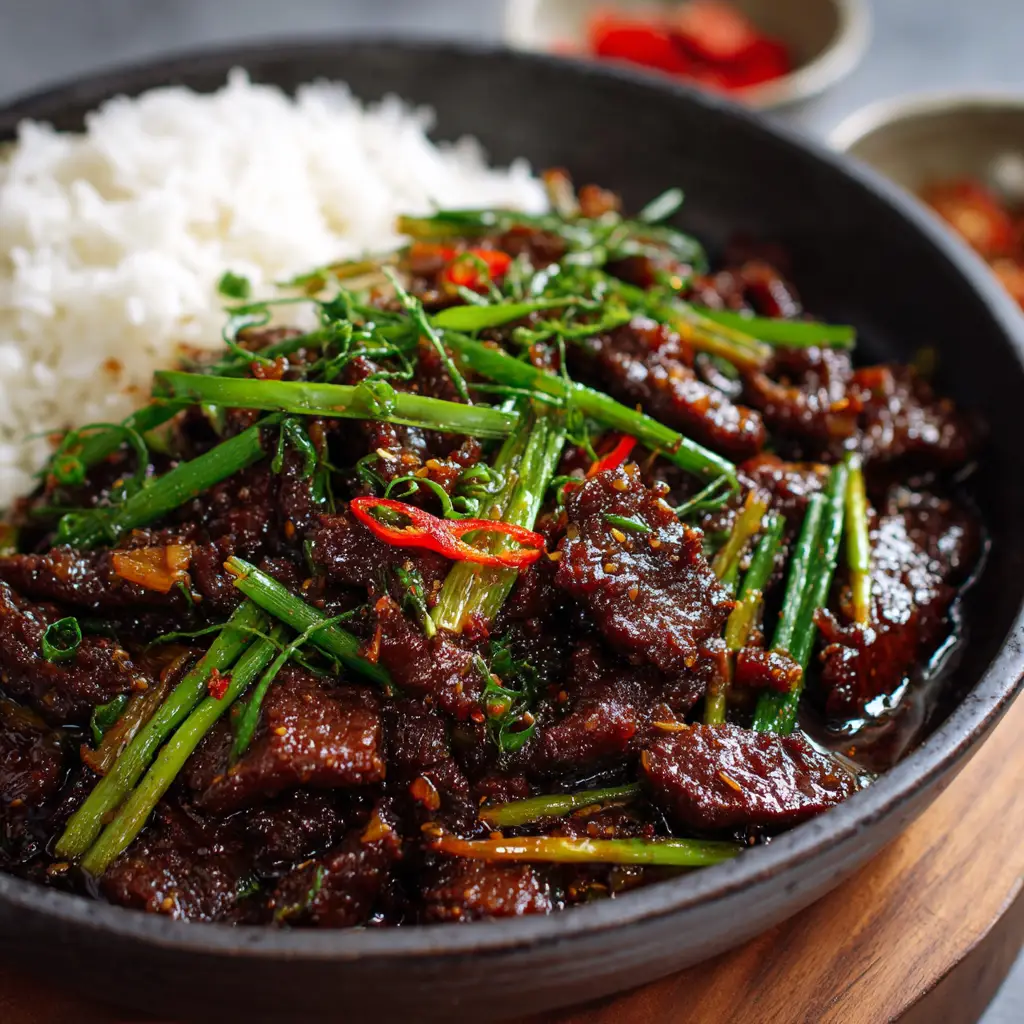
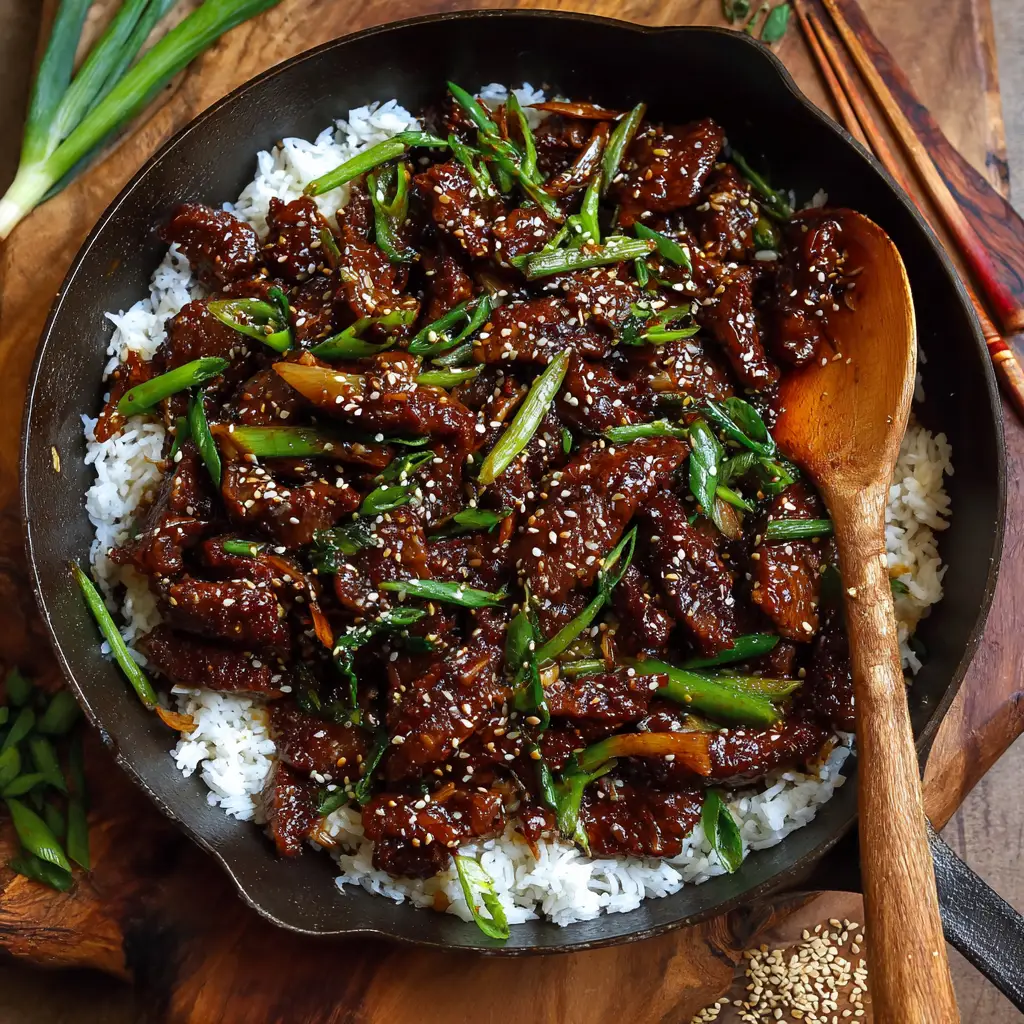
Mongolian beef tastes best when served fresh and hot, straight from the pan. Pair it with steamed jasmine rice, white rice, or brown rice to soak up the flavorful sauce. It also goes wonderfully with lo mein or stir-fried noodles for a complete Asian-inspired meal. Adding a side of sautéed vegetables or a crisp Asian salad provides freshness that balances the rich sauce. For gatherings, you can serve it in a large bowl topped with extra green onions and sesame seeds for an elegant presentation. A drizzle of sesame oil right before serving enhances its aroma and makes it even more appetizing. Whether enjoyed as a cozy family dinner or a main dish for special occasions, Mongolian beef never fails to impress.
Conclusion
Mongolian beef captures the essence of Asian-style comfort food with its balance of sweetness, savoriness, and tenderness. Preparing it at home gives you full control over every ingredient and allows you to enjoy restaurant-quality flavor without effort. Each bite is filled with juicy beef and a glossy, flavorful sauce that makes it hard to resist. It is a perfect example of how simple ingredients can create extraordinary taste when cooked thoughtfully. Sharing this dish with loved ones brings warmth to any meal and turns an ordinary evening into something memorable. Once you try making it, you will find yourself returning to this recipe often for its taste, ease, and satisfaction.