Introduction
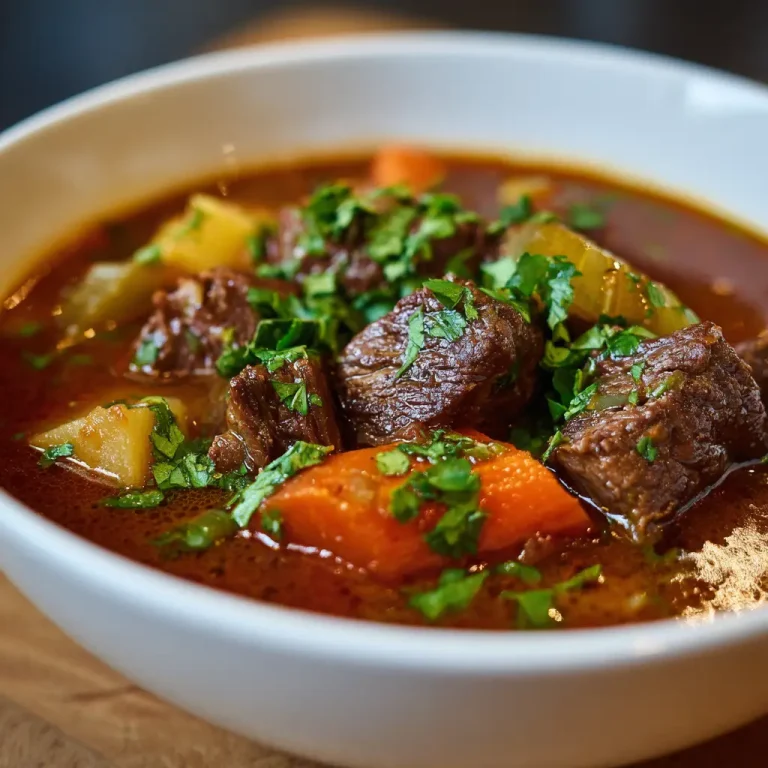
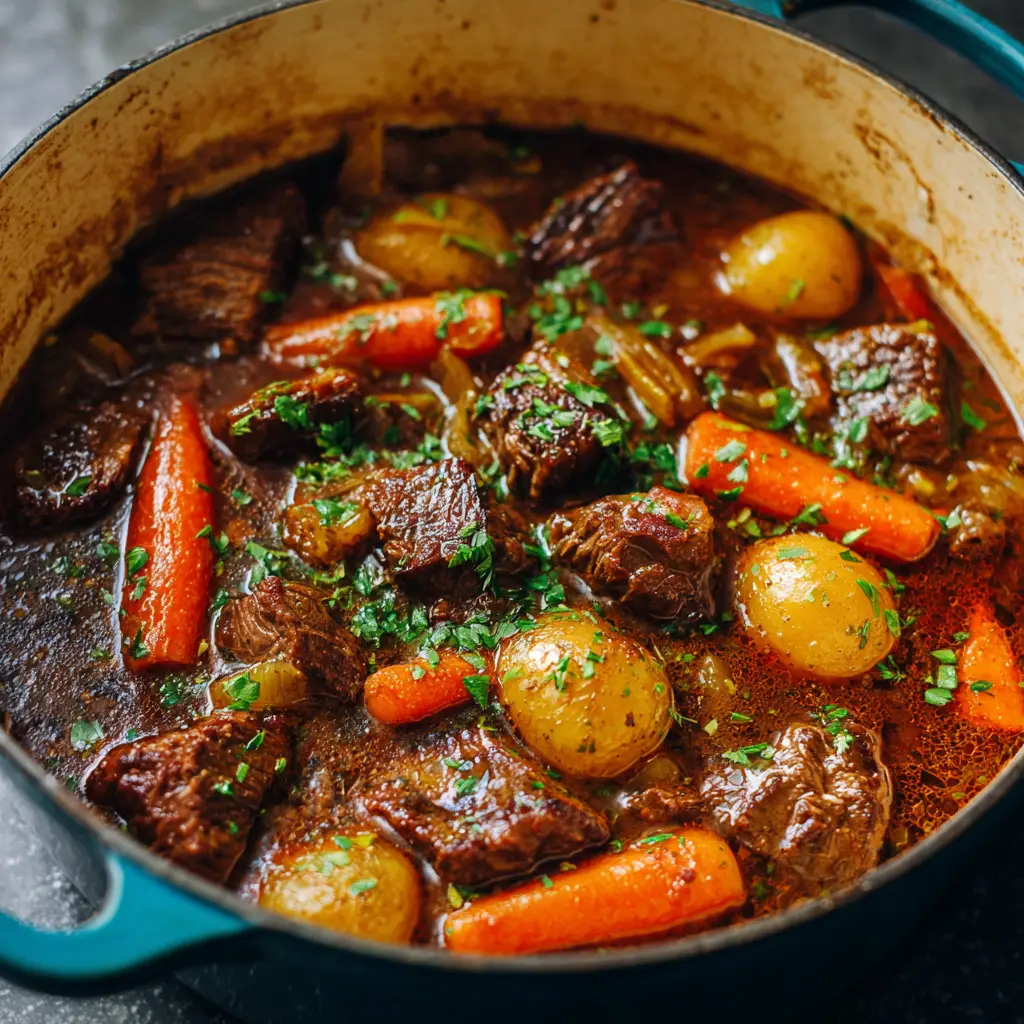
Beef stew is the kind of meal that feels like a warm embrace on a cold evening. It is hearty, rich, and full of layers of comforting flavors that develop beautifully as the ingredients simmer together. Every spoonful offers tender chunks of beef, soft vegetables, and a thick, flavorful broth that fills the kitchen with an inviting aroma. The dish has been a favorite for generations, loved for its simplicity and ability to turn humble ingredients into something deeply satisfying. Preparing a pot of beef stew brings both comfort and anticipation, as each hour of slow cooking enhances the depth of flavor.
The beauty of beef stew lies in its versatility. It can be served at family dinners, enjoyed as a make-ahead meal for busy days, or shared at gatherings where everyone appreciates homemade cooking. The slow-cooked texture of beef combined with the sweetness of carrots, the earthiness of potatoes, and the mild flavor of herbs creates a perfect balance. Making it from scratch allows you to control every detail, from the cut of meat to the seasoning. Every bite delivers warmth, nourishment, and the comforting sense of home that no restaurant can truly replicate.
Ingredients Needed
| Ingredient | Quantity | Calories |
|---|---|---|
| Beef chuck (cut into cubes) | 2 pounds | 1600 |
| Olive oil | 2 tablespoons | 240 |
| Onion (chopped) | 1 large | 45 |
| Garlic (minced) | 3 cloves | 15 |
| Carrots (sliced) | 3 medium | 75 |
| Potatoes (cubed) | 3 medium | 250 |
| Celery (chopped) | 2 stalks | 20 |
| Tomato paste | 2 tablespoons | 30 |
| All-purpose flour | 2 tablespoons | 60 |
| Beef broth | 4 cups | 50 |
| Worcestershire sauce | 1 tablespoon | 15 |
| Bay leaf | 1 | 0 |
| Dried thyme | 1 teaspoon | 3 |
| Salt | 1 teaspoon | 0 |
| Black pepper | ½ teaspoon | 0 |
| Fresh parsley (chopped) | 2 tablespoons | 5 |
Step-by-Step Cooking Instructions
Step 1: Pat the beef cubes dry with paper towels to help them brown nicely during cooking.
Step 2: Heat olive oil in a large pot over medium heat until it starts to shimmer.
Step 3: Add the beef in batches and sear until all sides are browned, then remove and set aside.
Step 4: In the same pot, add chopped onions and cook until softened and lightly golden.
Step 5: Stir in minced garlic and tomato paste, cooking for a short moment to release rich flavor.
Step 6: Sprinkle flour over the mixture and stir well to create a base that thickens the stew later.
Step 7: Pour in the beef broth slowly while stirring to avoid lumps, then add Worcestershire sauce.
Step 8: Return the browned beef to the pot, along with carrots, potatoes, celery, and herbs.
Step 9: Bring the stew to a gentle boil, then lower the heat, cover, and let it simmer for about two hours until the beef becomes fork-tender.
Step 10: Remove the bay leaf, adjust seasoning with salt and pepper, and garnish with fresh parsley before serving.
Tips for Customizing the Recipe
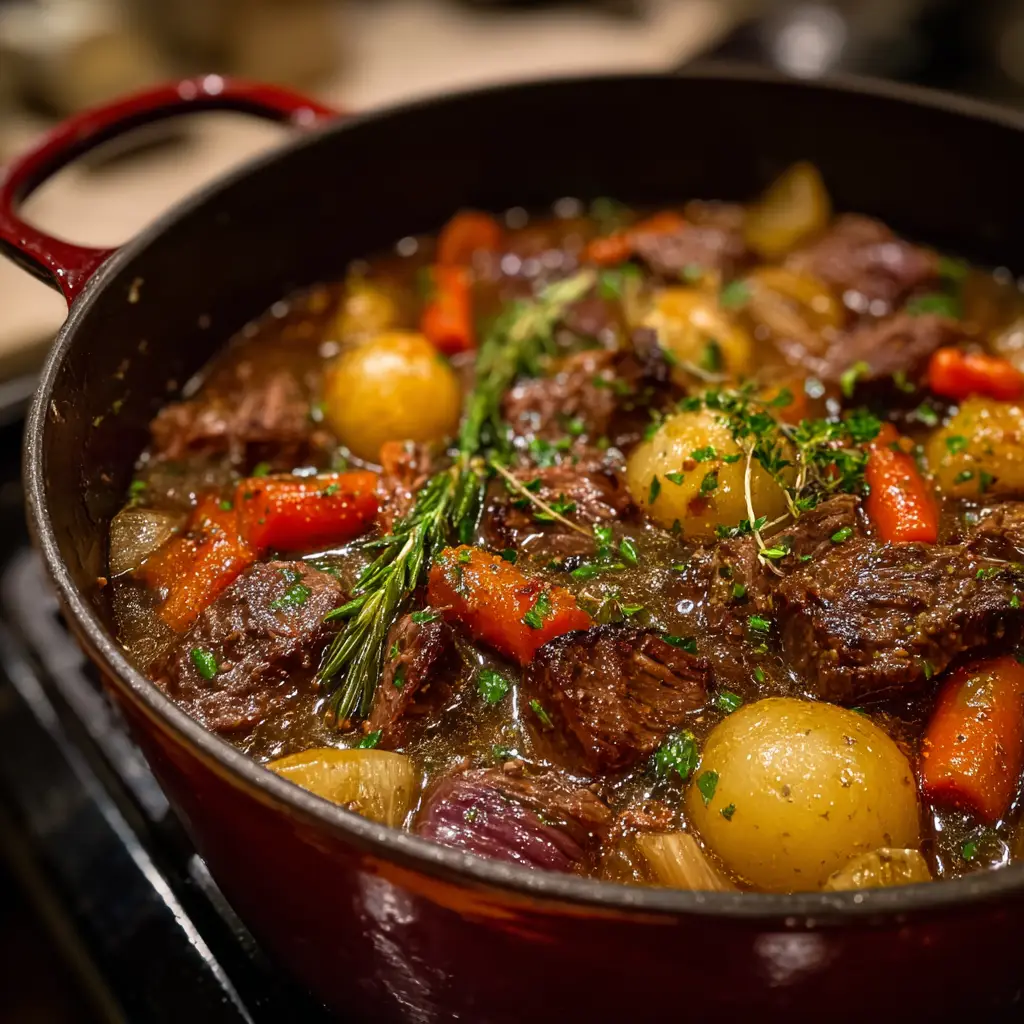
Beef stew can easily be tailored to your preferences. For a deeper, richer flavor, add a splash of red wine while deglazing the pot after browning the meat. You can include mushrooms for an earthy note or green peas for a hint of sweetness. If you prefer a thicker consistency, let the stew simmer uncovered during the last 20 minutes of cooking. Sweet potatoes can replace regular potatoes for a slightly sweeter taste, while adding pearl onions or turnips introduces new layers of flavor. The key is to adjust the ingredients to match your desired texture and richness while keeping the balance of the stew intact.
Nutritional Information
A serving of homemade beef stew offers approximately 450 to 500 calories. It is a well-balanced dish that provides protein from beef, complex carbohydrates from potatoes, and essential vitamins from vegetables. The broth offers hydration and minerals, while olive oil adds healthy fats. The slow cooking process helps retain nutrients, ensuring that every bowl delivers both flavor and nourishment. It is hearty enough to serve as a complete meal, providing long-lasting energy and comfort. The combination of protein, fiber, and natural vegetables makes it a wholesome option for both lunch and dinner.
Serving Suggestions
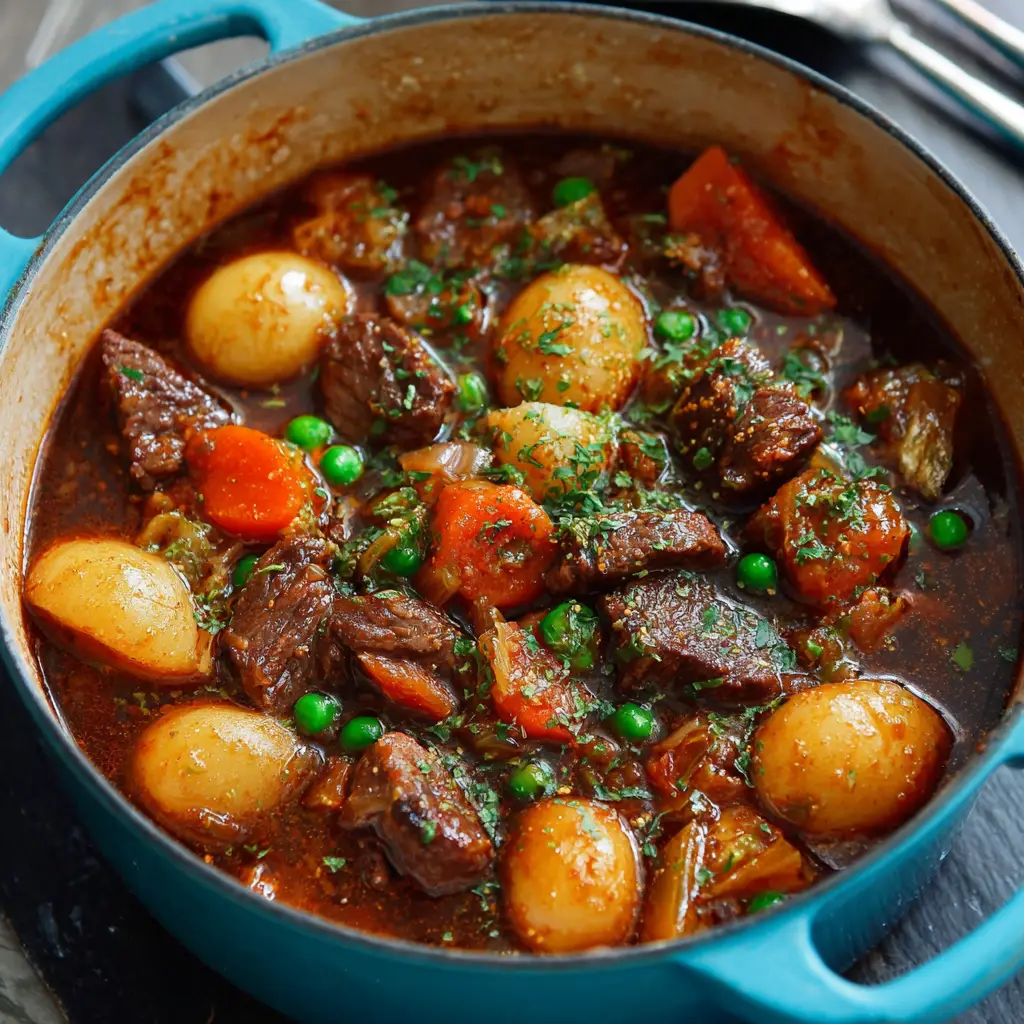
Beef stew is best served warm, straight from the pot, when the flavors are at their peak. It pairs wonderfully with crusty bread or soft dinner rolls that soak up the flavorful broth. For a more substantial meal, you can serve it over steamed rice, mashed potatoes, or buttered noodles. A side of green salad or roasted vegetables adds freshness that balances the richness of the stew. It also stores well, so you can prepare it ahead of time and reheat it when needed. In fact, the flavors deepen even more the next day, making leftovers just as enjoyable.
Conclusion
Beef stew brings together the heart and soul of home cooking. Its slow-simmered richness, tender meat, and flavorful broth make it a timeless dish that always satisfies. Preparing it fills your home with warmth and anticipation, creating moments worth savoring. Whether made for a special occasion or a cozy family dinner, it never fails to bring smiles to the table. The combination of simple ingredients and patient cooking transforms into something truly memorable. A bowl of beef stew is not just food but a reminder of comfort, care, and the simple joys of sharing a meal made with love.