Introduction
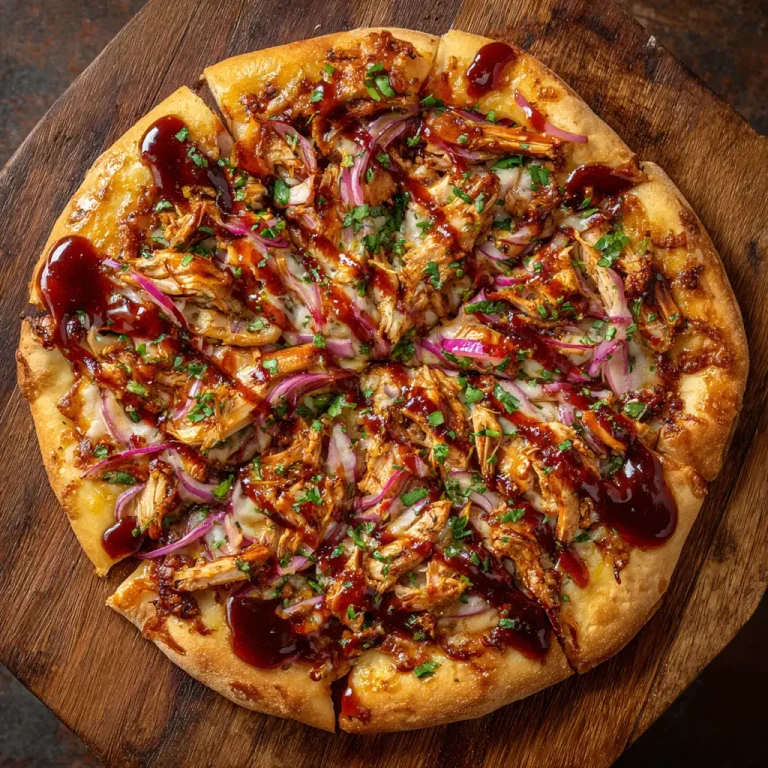
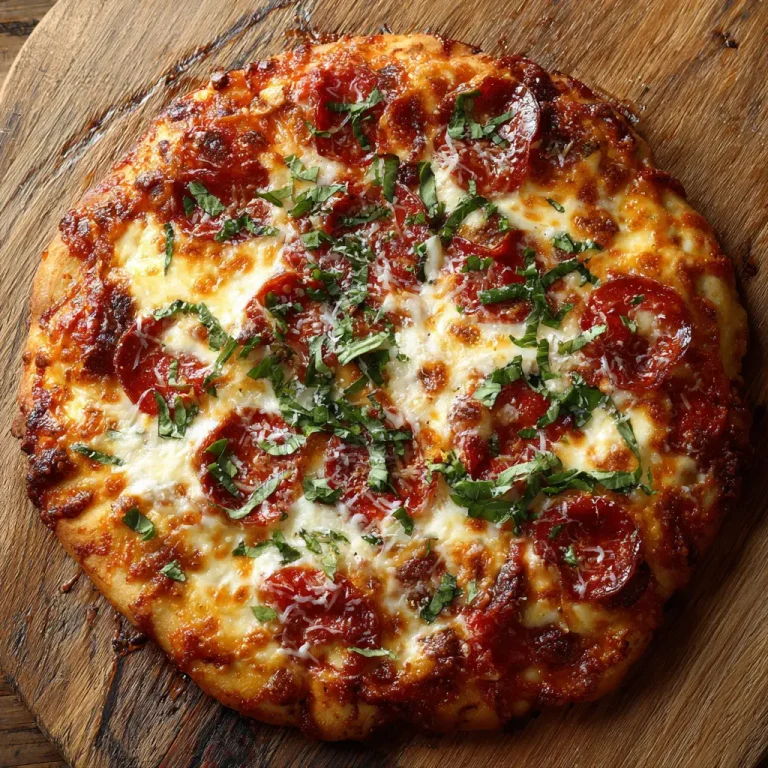
Pizza sauce forms the heart of every pizza, providing a rich and flavorful base for all the toppings. A well-made sauce balances tanginess, sweetness, and savory herbs to create a taste that elevates each bite. Homemade pizza sauce gives full control over ingredients and freshness, making every pizza memorable.
Using fresh tomatoes, garlic, and herbs ensures a depth of flavor that store-bought sauces cannot match. The process of preparing pizza sauce at home is straightforward, yet it allows for endless variations. This recipe is perfect for beginners and seasoned cooks who want consistently flavorful results.
With this pizza sauce, every pizza you make can have a perfect foundation. It works for thin crusts, thick crusts, or even flatbreads. Adjusting the herbs and spices lets you customize it for personal taste or seasonal produce.
Ingredients Needed
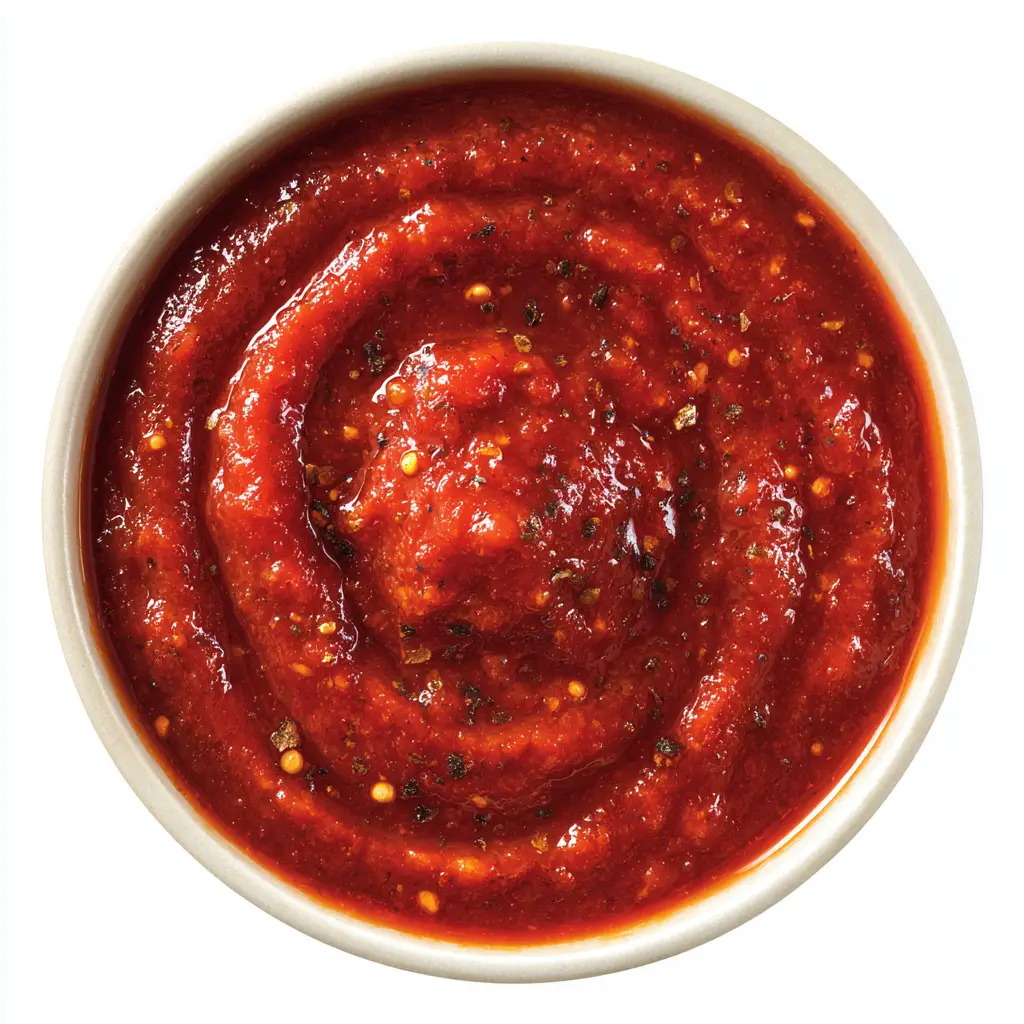
Here is the complete list of ingredients along with their approximate calorie counts. All values are approximate and may vary depending on brands.
| Ingredient | Quantity | Calories (approx.) |
|---|---|---|
| Fresh tomatoes | 4 cups | 160 |
| Olive oil | 2 tbsp | 240 |
| Garlic cloves | 4 | 20 |
| Onion | 1 medium | 45 |
| Tomato paste | 2 tbsp | 30 |
| Dried oregano | 1 tsp | 5 |
| Dried basil | 1 tsp | 5 |
| Salt | 1 tsp | 0 |
| Black pepper | ½ tsp | 3 |
| Sugar | 1 tsp | 16 |
| Red chili flakes | ¼ tsp | 2 |
| Water | ¼ cup | 0 |
Step-by-Step Cooking Instructions
- Heat olive oil in a medium saucepan over medium heat.
- Add finely chopped garlic and onion. Sauté for 2–3 minutes until fragrant and translucent.
- Stir in tomato paste and cook for another 1–2 minutes to deepen the flavor.
- Add fresh tomatoes, salt, sugar, black pepper, oregano, basil, and red chili flakes. Mix well.
- Pour in water and bring the mixture to a gentle simmer.
- Cover the saucepan and let it cook for 20–25 minutes, stirring occasionally.
- Remove from heat and let the mixture cool slightly.
- Use a blender or immersion blender to puree the sauce until smooth.
- Taste and adjust seasoning if needed. Add more salt, sugar, or herbs according to preference.
- Store in an airtight container in the refrigerator for up to one week or freeze for longer storage.
Tips for Customizing the Recipe
- Add fresh basil leaves at the end of cooking for a fresher flavor.
- Roast tomatoes before cooking for a deeper, sweeter taste.
- Use sun-dried tomatoes instead of fresh tomatoes for a richer, more concentrated sauce.
- For a spicy kick, increase the amount of red chili flakes or add a dash of cayenne pepper.
- Blend the sauce less for a chunkier texture that pairs well with rustic pizzas.
Nutritional Information
Here is the approximate nutritional breakdown for one serving (about ¼ cup) of this pizza sauce:
| Nutrient | Amount per serving (approx.) |
|---|---|
| Calories | 65 |
| Protein | 1 gram |
| Carbohydrates | 8 grams |
| Fat | 4 grams |
| Fiber | 2 grams |
| Sodium | 150 mg |
Serving Suggestions
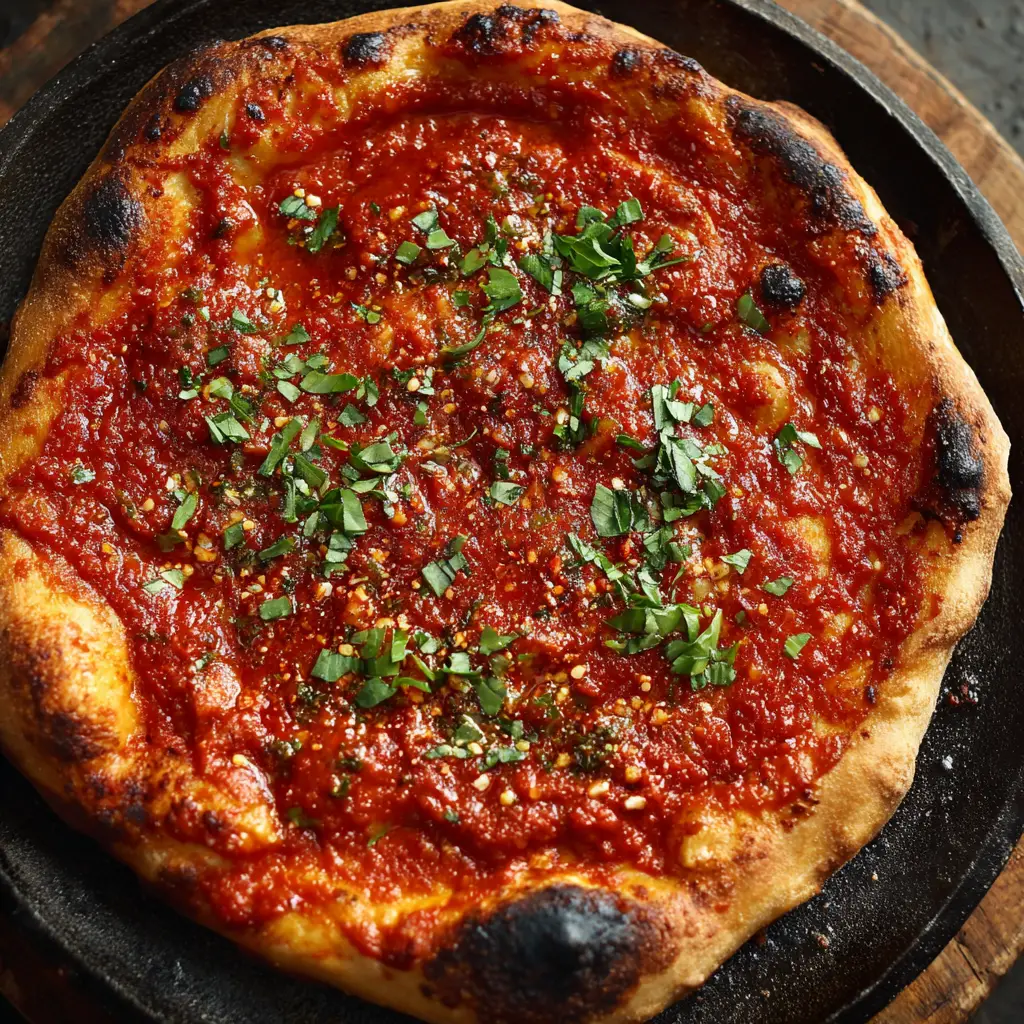
This pizza sauce works perfectly for all types of pizza including thin crust, deep dish, or flatbread pizzas. It can also be used as a dipping sauce for breadsticks, garlic knots, or calzones. Spread a thin layer on the dough and top with your favorite ingredients to enhance every bite.
Conclusion
Homemade pizza sauce transforms any pizza from ordinary to delicious. Fresh ingredients, simple cooking steps, and customizable seasoning make this sauce an essential part of your kitchen.
By preparing your own pizza sauce, you ensure full control over flavor, texture, and quality. Each pizza you make will have a perfect base that enhances all toppings. Once you try this recipe, you may prefer it over store-bought sauces every time, as it brings freshness and depth to every slice.