Introduction
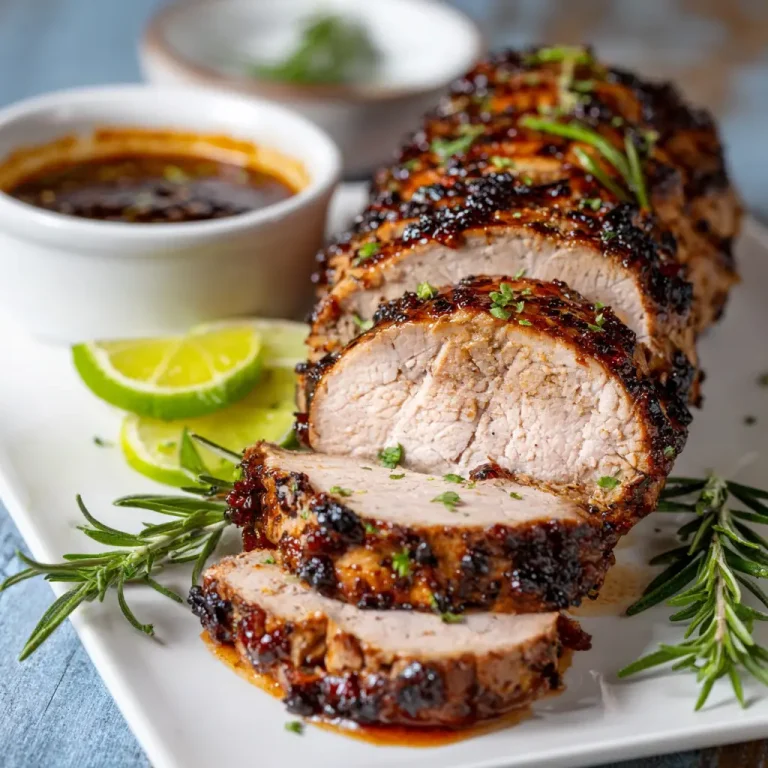
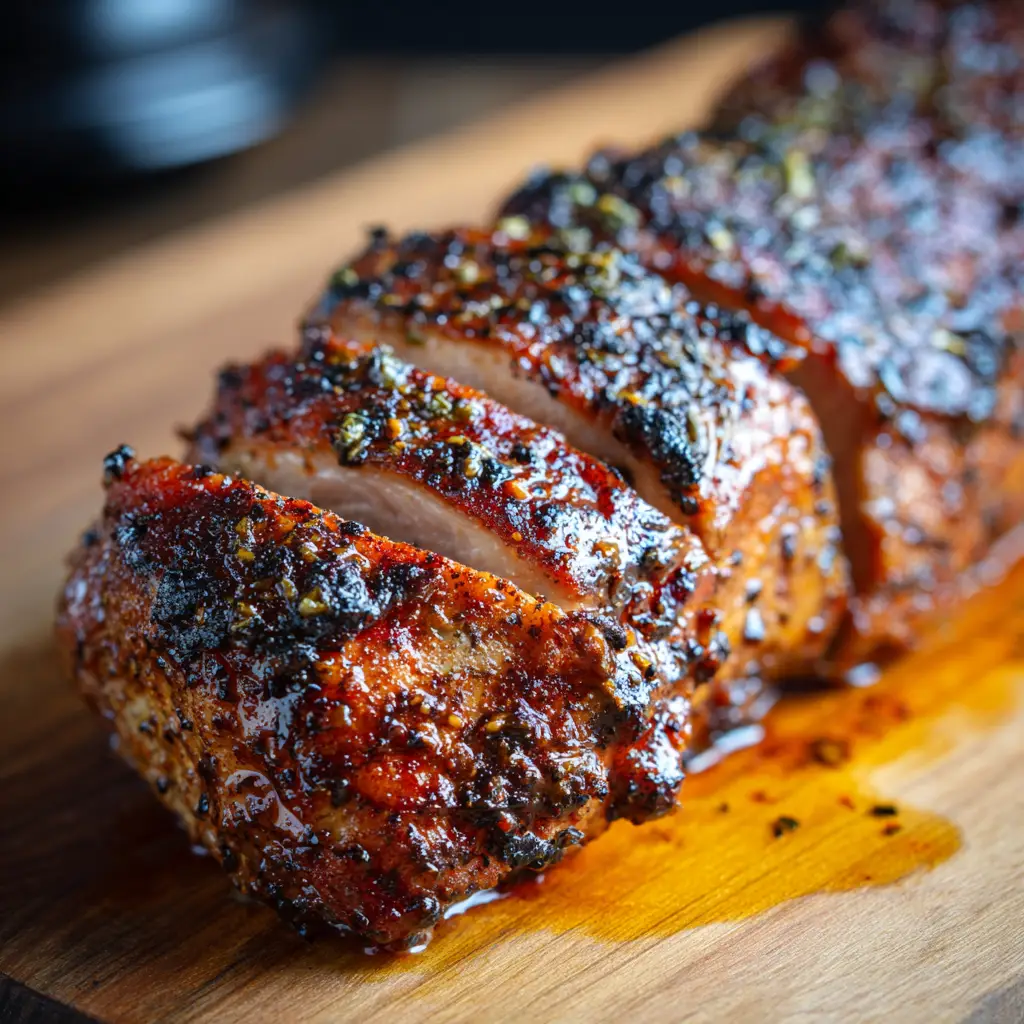
Smoked pork tenderloin is a dish that brings together deep smoky aroma, tender texture, and rich natural flavor in a way few meats can match. Slow smoking allows the pork to absorb gentle wood smoke while staying juicy and soft inside, making it perfect for both special gatherings and relaxed family meals.
Cooking pork tenderloin in a smoker may seem intimidating at first, but with the right method, it becomes an easy and rewarding process. The cut is naturally lean, cooks evenly, and responds beautifully to simple seasoning and controlled heat. Each slice offers a balance of smokiness and natural sweetness that feels comforting and satisfying.
This smoked pork tenderloin recipe is designed for home cooks who want reliable results without complicated techniques. Clear steps, practical tips, and flavor focused guidance ensure success even for first time smokers. With patience and care, the final result feels restaurant quality yet completely homemade.
Ingredients Needed
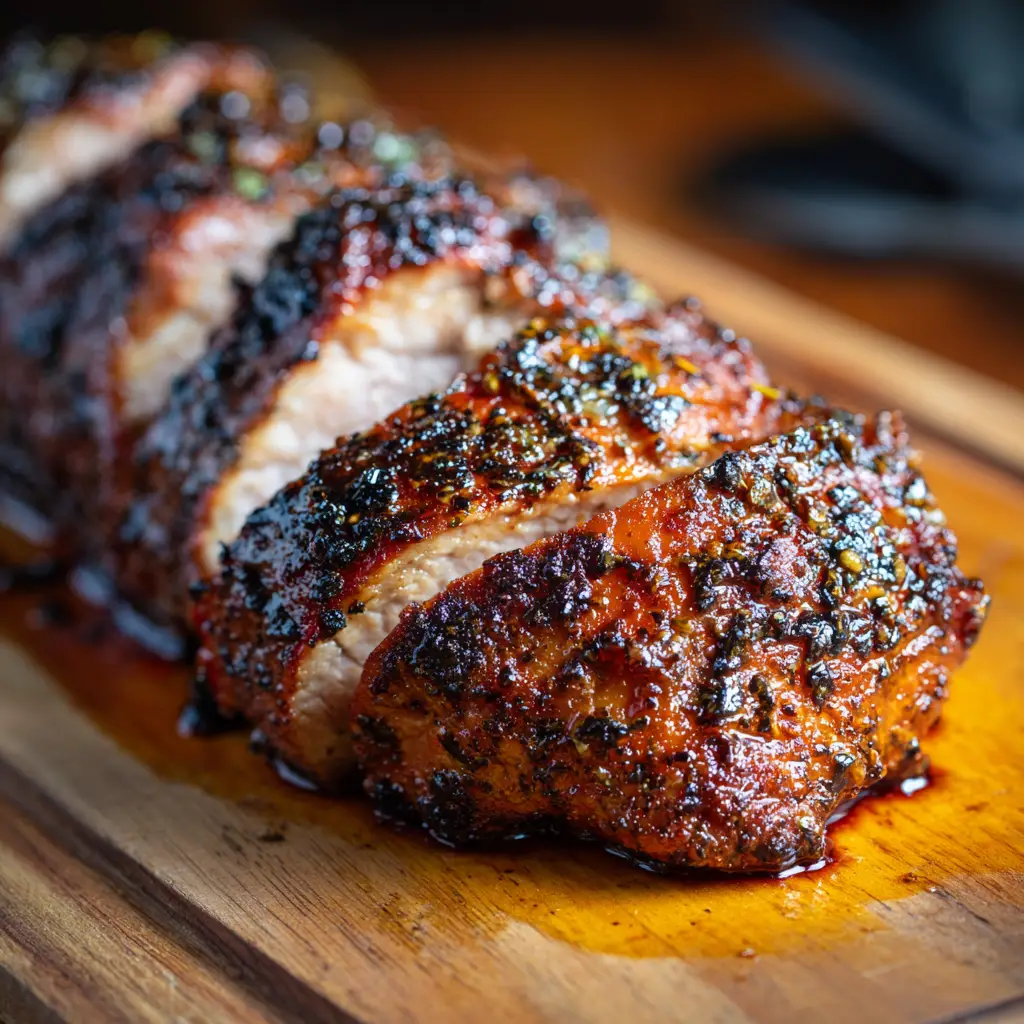
Below is a complete list of ingredients with approximate calorie values. Calories may vary slightly depending on portion size and brand.
| Ingredient | Quantity | Calories Approx |
|---|---|---|
| Pork tenderloin | 2 pounds | 960 |
| Olive oil | 2 tablespoons | 240 |
| Garlic powder | 2 teaspoons | 8 |
| Onion powder | 2 teaspoons | 8 |
| Smoked paprika | 2 teaspoons | 12 |
| Brown sugar | 1 tablespoon | 52 |
| Salt | 1 teaspoon | 0 |
| Black pepper | 1 teaspoon | 6 |
| Dried thyme | 1 teaspoon | 3 |
| Apple juice | ½ cup | 60 |
| Wood chips | As needed | 0 |
Step by Step Cooking Instructions
- Remove the pork tenderloin from the refrigerator and allow it to rest at room temperature for thirty minutes. This helps the meat cook evenly and remain tender.
- Pat the pork dry using paper towels. Dry surface allows seasoning to stick better and improves smoke absorption.
- In a small bowl, combine garlic powder, onion powder, smoked paprika, brown sugar, salt, black pepper, and dried thyme. Mix until evenly blended.
- Rub olive oil over the entire surface of the pork tenderloin. Make sure all sides are lightly coated.
- Apply the spice mixture generously, pressing it gently into the meat so it adheres well.
- Preheat the smoker to two hundred twenty five degrees Fahrenheit. Use apple or hickory wood chips for a mild balanced smoke flavor.
- Add soaked wood chips to the smoker according to manufacturer instructions.
- Place the pork tenderloin directly on the smoker grate, leaving space around it for proper air circulation.
- Close the smoker lid and allow the pork to smoke slowly. Maintain steady temperature throughout the cooking process.
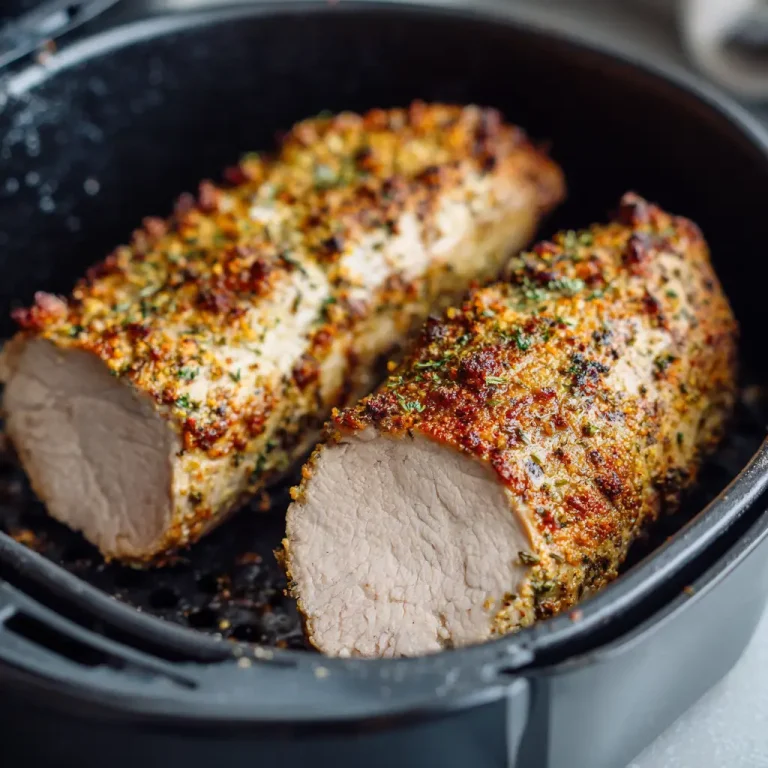
- Smoke the pork for approximately one and a half to two hours, or until the internal temperature reaches one hundred forty five degrees Fahrenheit.
- During the smoking process, baste the pork lightly with apple juice every thirty minutes to maintain moisture.
- Once the target temperature is reached, remove the pork from the smoker and place it on a cutting board.
- Tent the meat loosely with foil and let it rest for ten minutes. Resting allows juices to redistribute evenly.
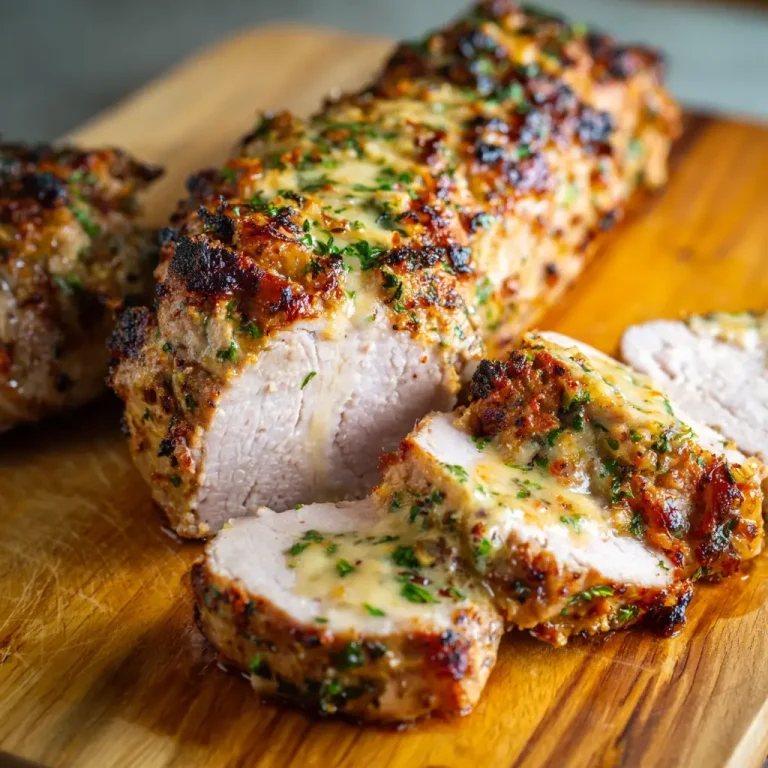
- Slice the pork tenderloin into thick medallions and serve warm.
Tips for Customizing the Recipe
• Use a honey based glaze during the final thirty minutes for a sweeter finish
• Add cayenne pepper or chili powder for a gentle heat
• Swap dried thyme with rosemary for a more aromatic profile
• Marinate the pork overnight for deeper flavor infusion
• Experiment with cherry wood for a slightly fruity smoke aroma
Nutritional Information
Approximate nutritional values per serving based on six servings.
| Nutrient | Amount |
|---|---|
| Calories | 280 |
| Protein | 32 grams |
| Fat | 10 grams |
| Carbohydrates | 5 grams |
| Fiber | 1 gram |
| Sodium | 420 milligrams |
Serving Suggestions
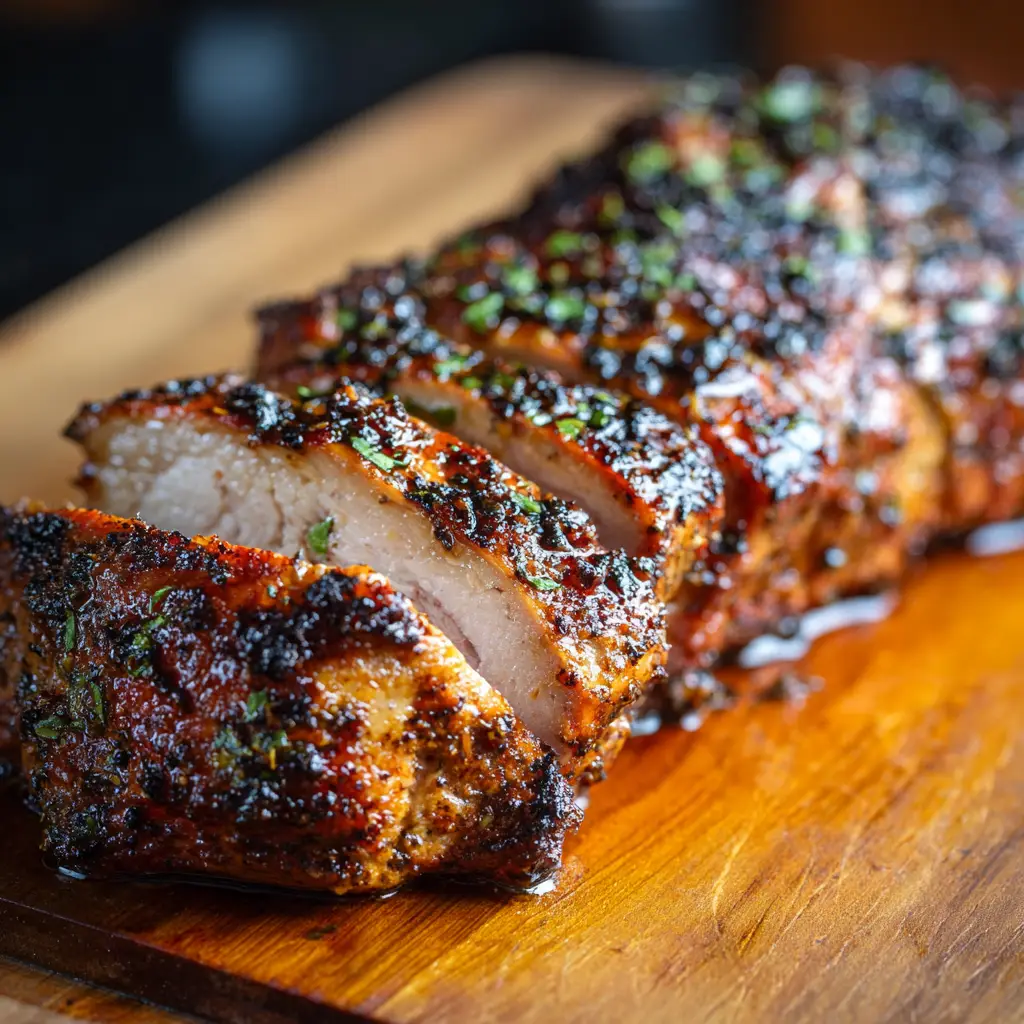
Smoked pork tenderloin pairs beautifully with a variety of side dishes that complement its smoky richness. Creamy mashed potatoes provide a soft contrast, while roasted vegetables add color and texture to the plate. Fresh coleslaw or cucumber salad brings a refreshing balance that lightens the meal.
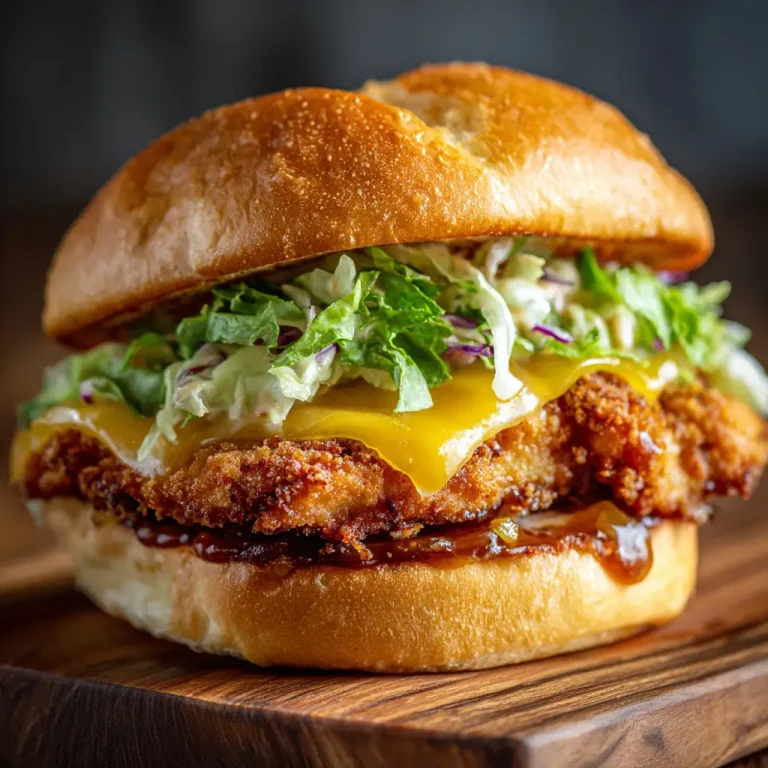
For a heartier option, serve the pork alongside baked beans or seasoned rice. The juices from the meat blend well with grains, creating a satisfying bite. Leftover slices can also be used in sandwiches, wraps, or salads, making this recipe ideal for meal planning and next day meals.
Presentation matters when serving smoked pork tenderloin. Arrange sliced medallions on a warm platter, drizzle lightly with pan juices, and garnish with fresh herbs for a polished look that impresses guests without extra effort.
Conclusion
Smoked pork tenderloin offers a perfect combination of simplicity and bold flavor that suits both casual dinners and special occasions. With gentle smoke, balanced seasoning, and proper temperature control, the result is tender meat that feels comforting and refined at the same time.
Cooking this recipe builds confidence in smoking techniques while delivering consistently delicious results. Each bite reflects patience and care, turning a humble cut of meat into something truly memorable. Once mastered, this smoked pork tenderloin recipe becomes a trusted favorite that you will return to again and again.