Introduction
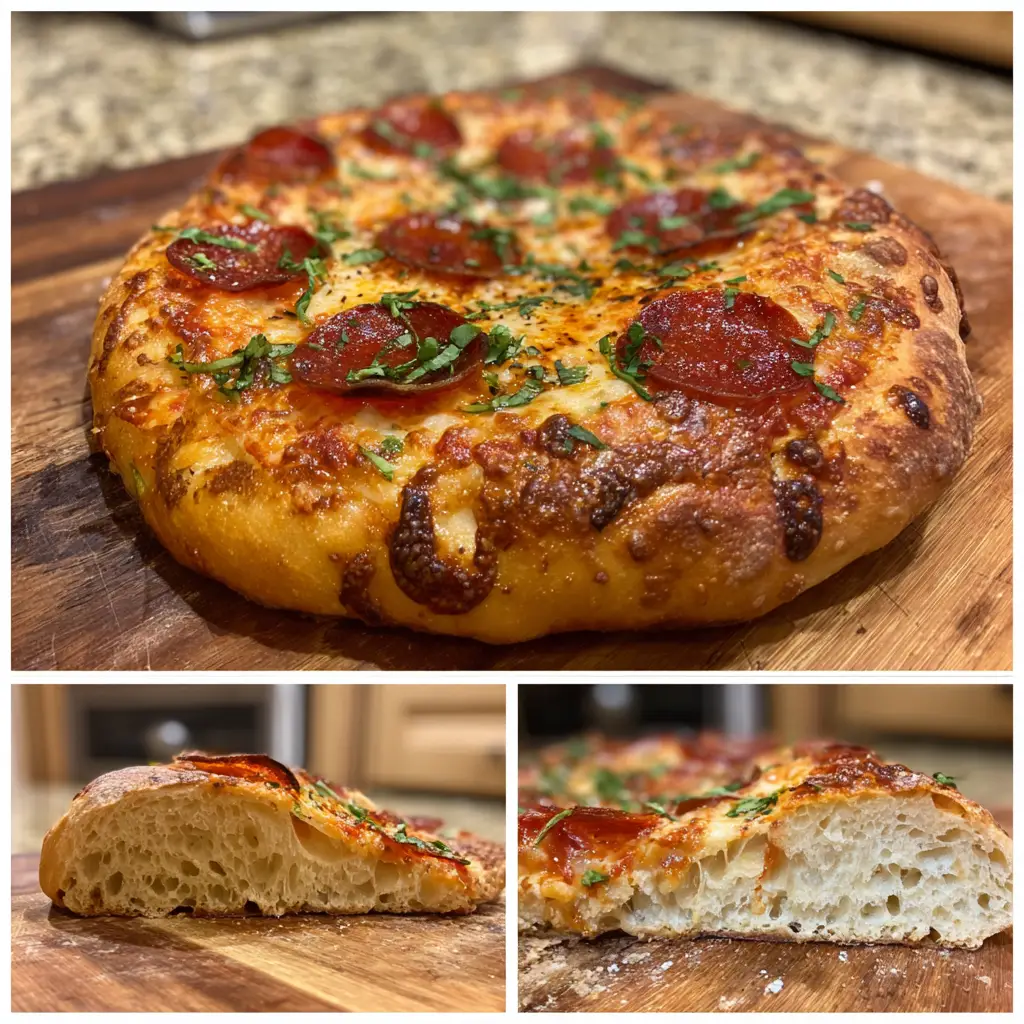
Sourdough pizza dough brings a delightful tang and airy texture that elevates any homemade pizza. The slow fermentation process enhances flavor and creates a light, chewy crust.
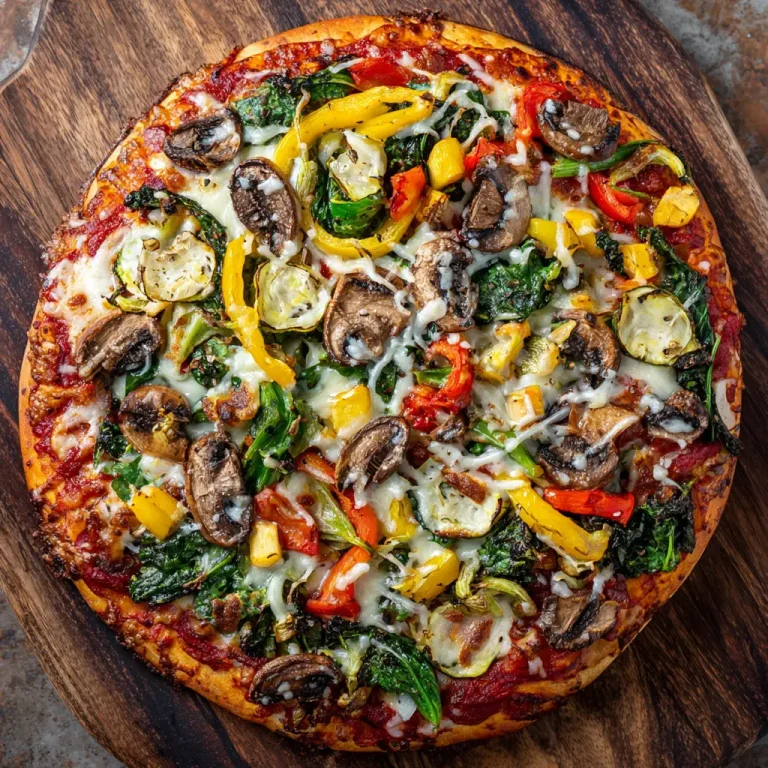
Using sourdough as a base allows you to experiment with toppings, from classic margherita to loaded veggie pizzas. The natural leavening makes the dough easier to digest and richer in taste compared to regular yeast dough.
Mastering sourdough pizza dough at home is easier than most think. With patience, simple ingredients, and proper technique, you can achieve a pizzeria-quality crust that impresses friends and family.
Ingredients Needed

Here is the complete list of ingredients with approximate calorie counts per quantity:
| Ingredient | Quantity | Calories (approx.) |
|---|---|---|
| Active sourdough starter | 100 g | 160 |
| Bread flour | 500 g | 1820 |
| Water (lukewarm) | 325 ml | 0 |
| Olive oil | 2 tbsp | 240 |
| Salt | 10 g | 0 |
Step-by-Step Cooking Instructions
- Activate Starter: Ensure your sourdough starter is active and bubbly before using. Feed it 4-6 hours prior to starting.
- Mix Ingredients: In a large mixing bowl, combine the flour, water, and sourdough starter. Mix until fully hydrated.
- Add Salt and Oil: Once the dough is formed, add salt and olive oil. Knead gently until fully incorporated.
- Bulk Fermentation: Cover the dough with a damp cloth and let it rest at room temperature for 4-6 hours. Fold the dough every hour to strengthen gluten.
- Divide and Shape: After fermentation, divide the dough into 2-3 portions. Shape each portion into a tight ball.
- Cold Fermentation: Place dough balls in lightly oiled containers and refrigerate for 12-24 hours to develop flavor.
- Preheat Oven: Preheat your oven to 475°F (245°C) with a pizza stone or baking sheet inside.
- Stretch Dough: On a floured surface, gently stretch each dough ball into a 10-12 inch pizza base.
- Add Toppings: Add sauce, cheese, and desired toppings without overloading the pizza.
- Bake: Transfer pizza to the preheated stone and bake for 10-15 minutes until crust is golden and crisp.
- Serve: Remove pizza, slice, and enjoy immediately.
Tips for Customizing the Recipe
- Use whole wheat or multigrain flour for a nuttier flavor and added nutrition.
- Add garlic powder or dried herbs to the dough for subtle seasoning.
- Let the dough ferment longer for a stronger sourdough taste.
- Brush olive oil on the crust before baking for extra crispness.
- Experiment with hydration levels for softer or chewier crusts.
Nutritional Information
Approximate nutritional breakdown per serving (1/4 of the dough without toppings):
| Nutrient | Amount (approx.) |
|---|---|
| Calories | 560 |
| Protein | 16 g |
| Carbohydrates | 104 g |
| Fat | 5 g |
| Fiber | 4 g |
| Sodium | 480 mg |
Serving Suggestions

Sourdough pizza pairs beautifully with fresh salad, roasted vegetables, or grilled meats. Serve hot for best taste and texture. Leftovers can be reheated in the oven for a crispy crust. Homemade dipping sauces like garlic butter or pesto complement the tangy flavor of sourdough perfectly.
Conclusion
Creating sourdough pizza dough at home transforms ordinary pizza nights into a gourmet experience. Its natural fermentation produces a flavorful, airy, and digestible crust.
With practice, you can tweak hydration, fermentation, and toppings to craft pizzas suited to your taste. Each bite showcases the perfect balance of tangy flavor and chewy texture, making homemade sourdough pizza a kitchen favorite.
Making pizza with sourdough is not just about cooking; it is about enjoying the process and savoring the results. Once mastered, it becomes a versatile and rewarding culinary skill.