Introduction
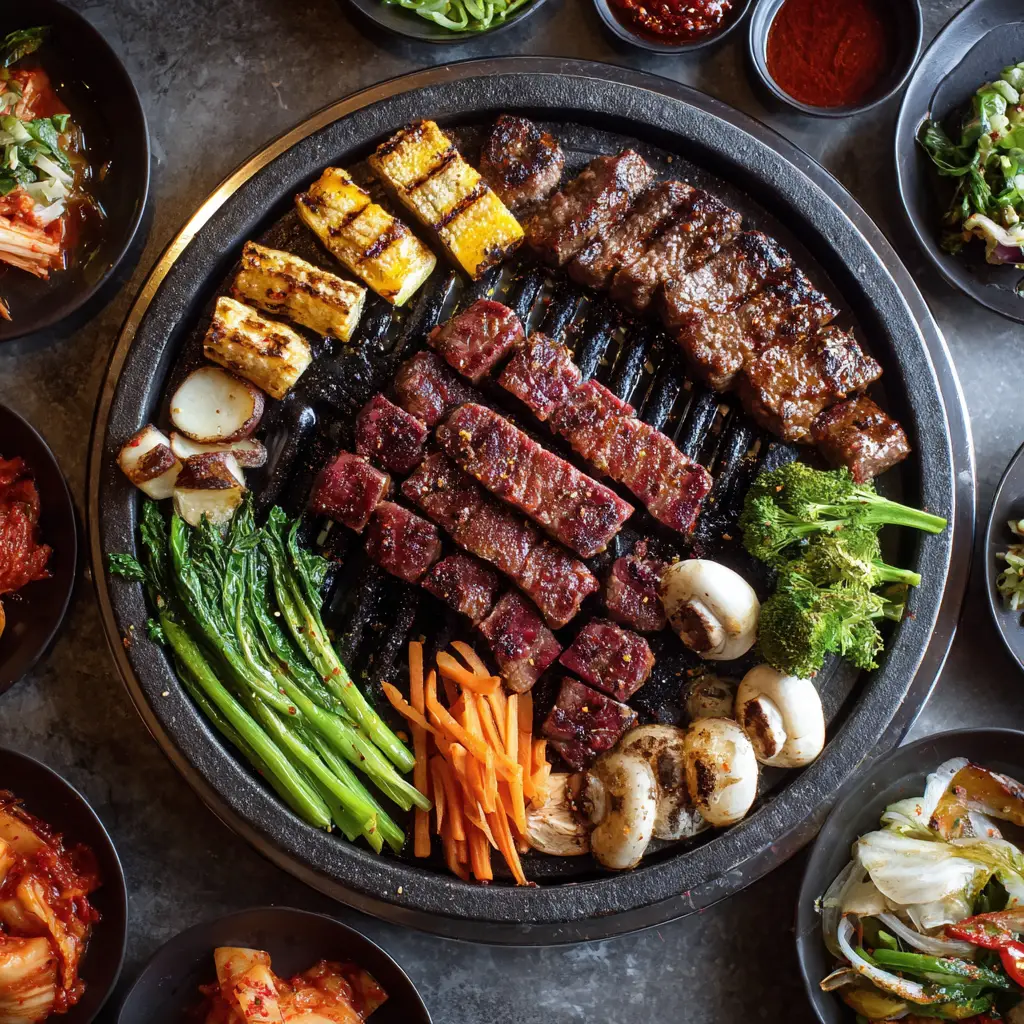
Korean BBQ offers an interactive and flavorful dining experience that highlights the rich tastes of Korean cuisine. The combination of marinated meats, smoky grilling, and a variety of side dishes creates a meal that is both social and satisfying. Cooking Korean BBQ at home allows you to adjust marinades, meat cuts, and spice levels, ensuring each bite meets your personal preferences. The vibrant flavors, including sweet, savory, and umami notes, make it a memorable and indulgent culinary experience.
This cuisine is perfect for gatherings, family dinners, or a fun weeknight meal that brings everyone together. Grilling the meat over high heat creates a smoky aroma that enhances taste, while the accompanying vegetables and sauces provide balance and freshness. By learning how to prepare Korean BBQ at home, you can enjoy an authentic, restaurant-quality experience without leaving your kitchen.
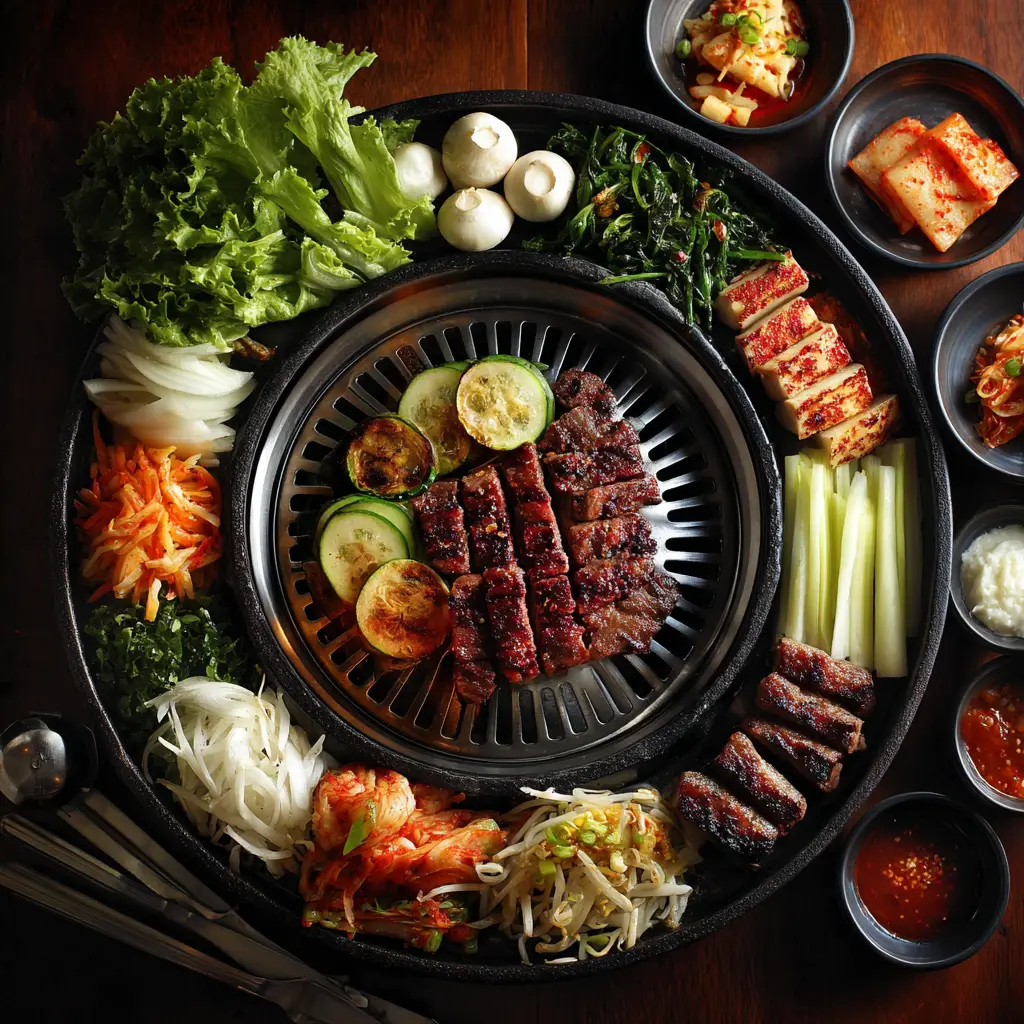
Ingredients Needed
| Ingredient | Calories |
|---|---|
| Beef short ribs | 400 |
| Soy sauce | 15 |
| Brown sugar | 50 |
| Sesame oil | 40 |
| Garlic cloves | 15 |
| Ginger | 5 |
| Green onions | 5 |
| Gochujang (Korean chili paste) | 35 |
| Rice vinegar | 5 |
| Sesame seeds | 10 |
| Carrots | 25 |
| Cucumber | 20 |
| Lettuce leaves | 5 |
| Cooked rice | 200 |
Step by Step Cooking Instructions
- Trim beef short ribs and slice them thinly for quick and even grilling.
- In a bowl, combine soy sauce, brown sugar, sesame oil, minced garlic, grated ginger, and gochujang to create the marinade.
- Add the beef slices to the marinade, ensuring each piece is fully coated, and refrigerate for at least two hours.
- Prepare vegetables by slicing carrots, cucumbers, and chopping green onions for garnish and side dishes.
- Heat a grill pan or outdoor grill to high heat, lightly oiling the surface to prevent sticking.
- Place marinated beef slices on the hot grill, cooking for one to two minutes per side until slightly caramelized and cooked through.
- Toast sesame seeds in a small pan to bring out their nutty aroma and sprinkle over the grilled beef.
- Wash and prepare lettuce leaves for wrapping the grilled meat into bite-sized portions.
- Serve the beef with cooked rice and vegetables, allowing diners to assemble wraps using lettuce, meat, and garnishes.
- Drizzle additional sesame oil or gochujang sauce on top as desired before enjoying for enhanced flavor.
Tips for Customizing the Recipe
Korean BBQ is highly adaptable for various tastes. Use pork belly, chicken thighs, or tofu for alternative proteins. Adjust the spice level with more or less gochujang. Incorporate kimchi, pickled vegetables, or mushrooms for extra flavor and variety. Marinating overnight enhances depth, while adding honey or pear juice can increase sweetness and tenderness. For a lower-sodium version, reduce soy sauce and use low-sodium alternatives.
Nutritional Information
A serving of Korean BBQ provides a balanced mix of protein from the beef, healthy fats from sesame oil, and essential vitamins from fresh vegetables. Carbohydrates come from rice and the natural sugars in the marinade. The meal is nutrient-dense and satisfying, offering a combination of macronutrients that supports energy, muscle recovery, and overall wellness. Portion control and mindful use of sauces maintain a healthy balance.
Serving Suggestions
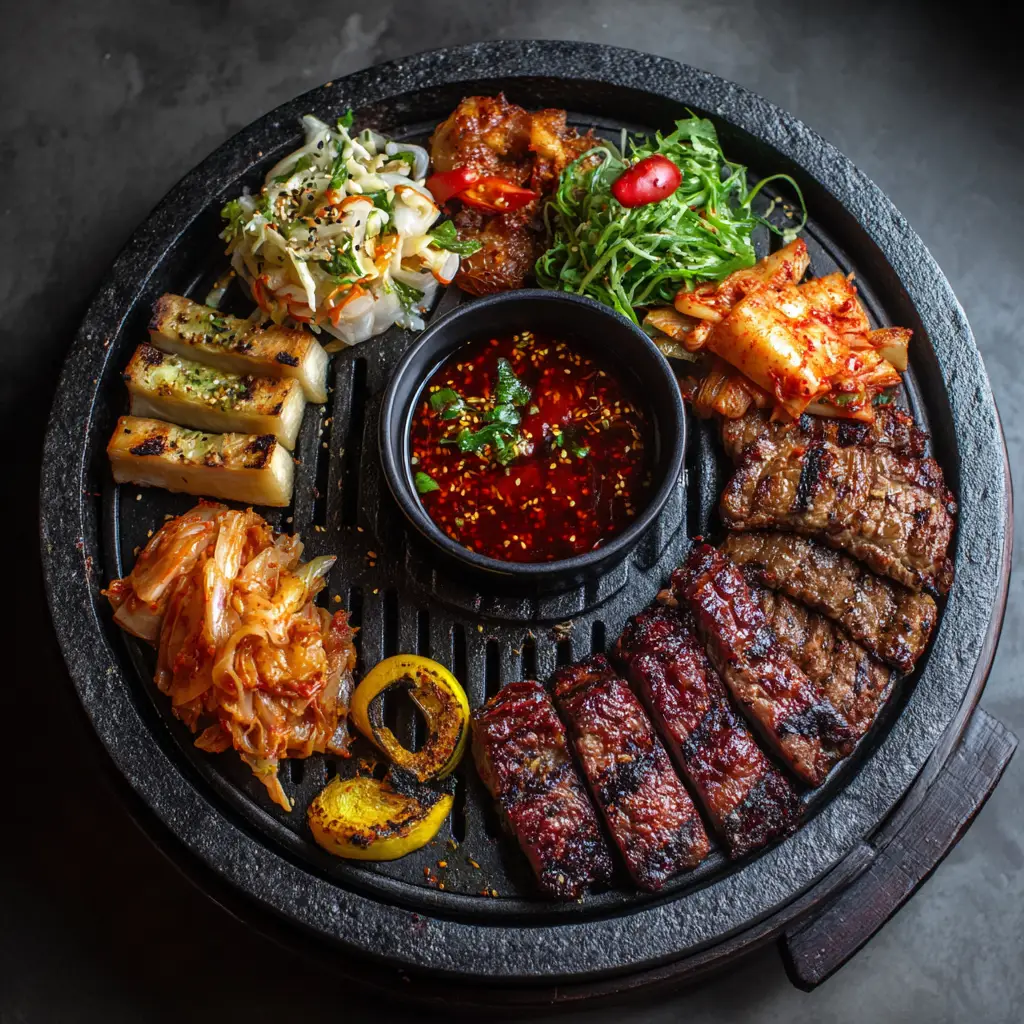
Serve Korean BBQ with steamed rice, fresh lettuce leaves, and an assortment of banchan, such as kimchi, pickled radishes, or sautéed vegetables. Create a build-your-own wrap station for gatherings so guests can assemble their preferred combinations. Pair with light beverages like sparkling water, iced tea, or a mild Korean drink to complement the meal. Garnishing with extra green onions and sesame seeds adds visual appeal and flavor depth.
Conclusion
Korean BBQ brings the flavors of Korea into your home with tender marinated meats, fresh vegetables, and aromatic sauces. Preparing it yourself allows full control over seasoning, protein choice, and spice levels, ensuring a delicious and personalized meal. Each bite offers a balance of sweet, savory, and smoky notes, making it a perfect choice for family dinners, parties, or casual weeknight meals. With this recipe, you can enjoy the interactive and flavorful experience of Korean BBQ anytime, turning your kitchen into a vibrant culinary adventure.