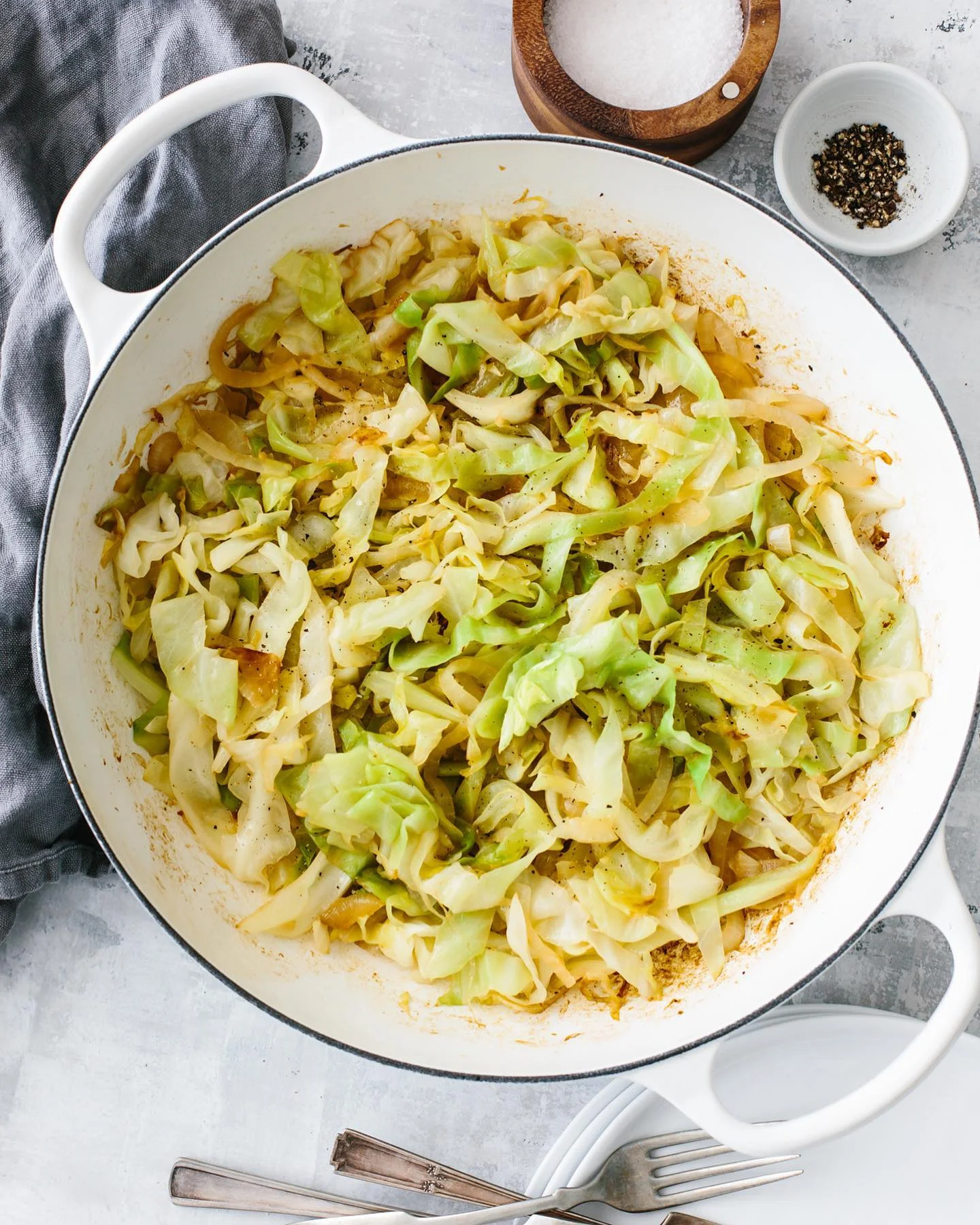
Cabbage has a branding problem. Most people think of it as boiled, bland, and reluctantly eaten because it’s “good for you.” That reputation is undeserved, and it’s time to fix it with a recipe that actually earns a spot on your weekly rotation.
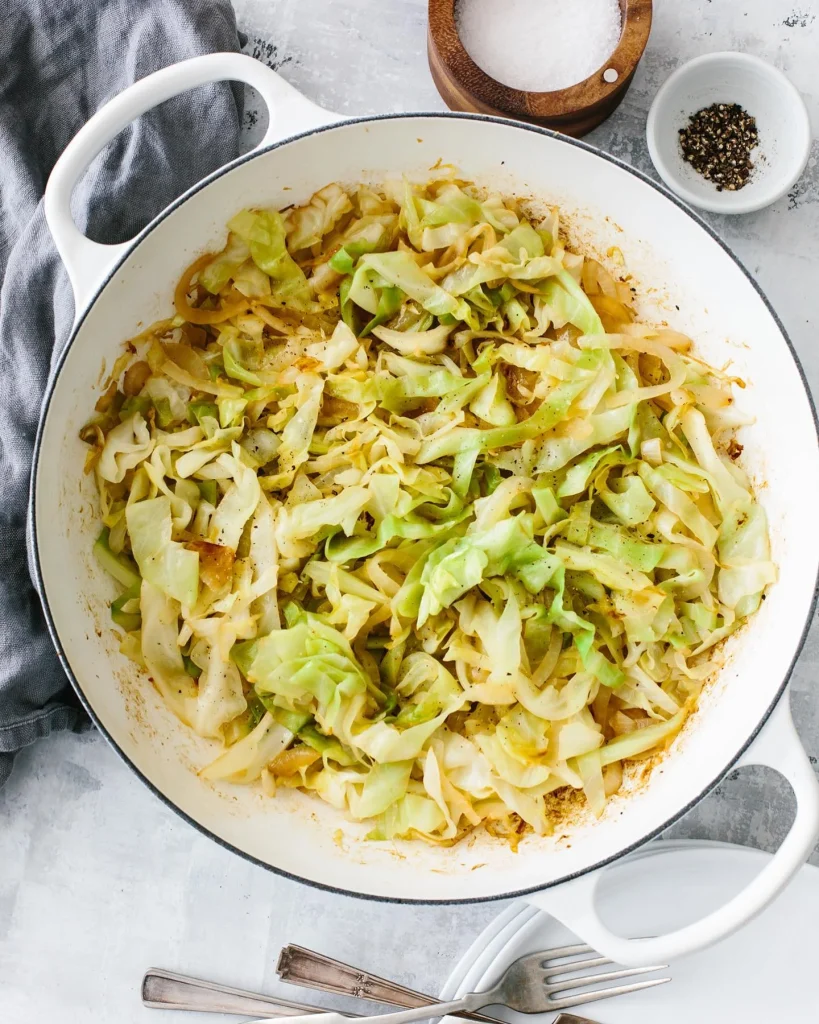
This buttery sautéed cabbage is the gateway recipe that converts skeptics. It caramelizes at the edges, turns silky in the center, and picks up flavor from garlic, butter, and a touch of seasoning that makes every bite taste intentional rather than obligatory. There’s no boiling, no mush, and no bitterness left behind.
What makes this dish worth bookmarking is how little effort it demands for how much flavor it delivers. One head of cabbage, a hot pan, and about twenty minutes stand between you and a side dish that tastes like it came from a restaurant kitchen, not a vegetable drawer clearance.
Whether you’re serving it alongside grilled sausage, folding it into tacos, or eating it straight from the skillet, this is the cabbage recipe that finally makes sense of why chefs love this humble vegetable so much.
Ingredients You’ll Need
Great cabbage dishes don’t hide behind complicated techniques or hard-to-find ingredients — they rely on a handful of honest staples treated with a little patience and the right amount of heat.
Base Ingredients
- 1 medium head green cabbage (about 2 pounds), thinly sliced
- 3 tablespoons unsalted butter
- 2 tablespoons olive oil
- 4 cloves garlic, minced
- 1 small yellow onion, thinly sliced
- 1 teaspoon salt, plus more to taste
- ½ teaspoon black pepper
- ½ teaspoon smoked paprika
- 1 tablespoon apple cider vinegar
Optional Add-ins
- ¼ cup crumbled bacon
- ¼ teaspoon red pepper flakes
- 2 tablespoons fresh parsley, chopped
- 1 tablespoon grated parmesan
- ½ teaspoon caraway seeds
- 1 tablespoon low-sodium soy sauce
Step-by-Step Instructions
Prep the Cabbage
Remove the tough outer leaves and cut the cabbage into quarters. Slice out the core, then thinly slice each quarter into ribbons about a quarter-inch thick. Try to keep the slices consistent so they cook evenly. Rinse the shreds briefly in a colander and pat them dry with a clean towel. Excess water on the cabbage will steam rather than sear it, so a dry surface is essential for the caramelization you want in the final dish.
Build the Flavor Base
Heat butter and olive oil together in a large skillet or Dutch oven over medium heat until the butter melts and starts to foam slightly. Add the sliced onion and cook for 3 to 4 minutes, stirring occasionally, until softened and lightly golden. Add the minced garlic and cook for another 30 seconds, just until fragrant. Watch closely here, since garlic burns quickly and turns bitter, which can throw off the entire dish’s flavor balance.
Cook the Cabbage
Add the sliced cabbage to the skillet in batches if needed, tossing to coat it in the butter and oil. Season with salt, pepper, and smoked paprika. Let it cook undisturbed for 2 to 3 minutes at a time before stirring, allowing some pieces to develop golden, slightly crisp edges. Continue cooking for 12 to 15 minutes total, stirring occasionally, until the cabbage is tender but still holds a slight bite rather than turning mushy.
Finish and Serve
Once the cabbage reaches your desired texture, remove the skillet from heat and stir in the apple cider vinegar to brighten the flavors. Taste and adjust the salt and pepper as needed. Fold in any optional add-ins like bacon, parmesan, or red pepper flakes at this stage. Transfer to a serving dish immediately, garnish with fresh parsley, and serve warm as a side dish or a light main course.
Cook Time
Total: 30 minutes
Prep: 10 minutes
Bake: N/A (Stovetop Recipe, 20 minutes cook time)
Servings
This recipe makes approximately 4 to 6 servings as a side dish, or 2 to 3 servings if served as a light main course alongside protein. The exact yield depends on how thick your slices are and how much the cabbage reduces during cooking, since cabbage naturally loses volume as it softens and releases moisture in the pan.
If you’re cooking for a larger gathering, the recipe scales easily. Simply double the ingredients and cook the cabbage in batches or use a wider pan to avoid overcrowding, which can cause steaming instead of the caramelized sear you’re aiming for.
For meal prep purposes, this recipe also holds up well in individual portions, making it a practical choice for weekday lunches without sacrificing texture or flavor when reheated properly.
Common Mistakes in This Recipe
The most frequent mistake home cooks make is overcrowding the pan. When too much cabbage is piled in at once, it releases moisture and steams rather than sears, leaving you with a soft, water-logged texture instead of those coveted golden edges that give this dish its depth of flavor.
Another common issue is slicing the cabbage unevenly. Thick, inconsistent pieces cook at different rates, so some end up raw and crunchy while others turn mushy and overcooked, creating a frustrating texture throughout the finished dish.
Many cooks also add salt too early in the process. Salting the cabbage before it hits the pan draws out moisture prematurely, which contributes to steaming rather than browning and can leave the final result watery and underseasoned.
Finally, skipping the acid at the end is an easy but costly oversight. Without the vinegar, the dish tastes flat and one-dimensional, lacking the brightness needed to balance the richness of the butter.
Solutions to Common Mistakes
To avoid overcrowding, cook the cabbage in two batches if your skillet isn’t large enough to hold everything in a relatively even layer. This small extra step makes a significant difference in achieving proper caramelization instead of steamed, limp cabbage.
For uneven cooking, take an extra two minutes to slice the cabbage into uniform ribbons before starting. A sharp knife and a steady hand go a long way, and consistency in size is more important than perfection.
Hold off on salting until the cabbage has already started to soften and pick up color in the pan, roughly halfway through cooking. This timing helps the exterior sear properly before moisture is drawn out.
Always finish with the acid. A splash of vinegar or a squeeze of lemon at the very end wakes up every other flavor in the dish and should never be treated as optional.
Nutritional Information (approx. per serving)
- Calories: 145
- Protein: 2g
- Carbohydrates: 11g
- Fiber: 4g
- Sugar: 5g
- Fat: 10g
- Sodium: 320mg
- Vitamin C: 55% DV
Cabbage is remarkably low in calories while still delivering meaningful fiber, which supports digestion and helps you feel satisfied after a meal without the heaviness of more calorie-dense side dishes.
It’s also an excellent source of vitamin C, offering more than half your daily needs in a single serving, which plays a key role in immune function and skin health during busy, high-stress weeks.
The natural compounds found in cruciferous vegetables like cabbage have been studied for their potential role in supporting healthy inflammation levels and overall cellular health, making this dish more than just a flavorful side.
Cooking cabbage in butter and olive oil, rather than boiling it, also helps preserve more of its nutrients while making the dish genuinely enjoyable to eat, not just tolerable.
Storage Instructions
Leftover sautéed cabbage keeps well when stored properly, making it a smart option for meal prep or planned leftovers throughout the week without losing much in terms of quality.
Transfer cooled cabbage to an airtight container and refrigerate for up to 4 days. Avoid leaving it at room temperature for more than two hours, as with any cooked vegetable dish, to keep it safe and fresh.
For longer storage, this recipe can be frozen for up to 2 months, though the texture will soften slightly upon thawing. Freeze in a flat, sealed bag to save space and allow for quicker thawing when you’re ready to use it.
To reheat, warm the cabbage in a skillet over medium heat rather than the microwave when possible, as this helps restore some of the original texture and prevents it from turning overly soft or watery.
Suggestions
This sautéed cabbage pairs beautifully with grilled or roasted proteins like sausage, pork chops, or seared chicken thighs, where its slight tang and buttery richness complement heartier, savory flavors without competing for attention.
For a heartier meal, serve it over a bed of rice or alongside mashed potatoes, letting the cabbage’s juices soak into the starch for an especially comforting, restaurant-style plate.
If you’re looking to lighten it up, spoon the cabbage into warm tortillas with a squeeze of lime for a quick, unconventional taco filling that surprises people who try it for the first time.
Leftover cabbage also works wonderfully stirred into a fried rice or grain bowl the next day, adding texture, color, and a boost of nutrition to an otherwise simple weekday lunch.
Seasonal Relevance
Cabbage is at its best during the cooler months, typically from late fall through early spring, when its natural sugars concentrate and the heads grow denser, crisper, and more flavorful than summer varieties.
This makes the dish especially well-suited for autumn and winter menus, where its warmth and richness feel appropriate alongside root vegetables, braises, and other cold-weather comfort foods that dominate seasonal cooking.
Because cabbage is also widely available and inexpensive year-round, it remains a reliable, budget-conscious choice even outside peak season, offering consistent quality without the price spikes seen in more delicate produce.
Around the holidays, this recipe also makes an easy, crowd-friendly side dish that requires minimal last-minute attention, freeing up stovetop space and time for other, more demanding dishes on a busy cooking day.
Final Words
This cabbage recipe proves that simple ingredients, handled with a bit of technique and patience, can outperform far more complicated dishes in both flavor and satisfaction. It’s proof that cabbage deserves a permanent place in your regular rotation.
What makes it especially valuable is its flexibility. It works as a quiet side dish on a weeknight or as the flavorful base for something more creative, adapting easily to whatever else is happening in your kitchen that day.
Beyond convenience, there’s real value in returning to a vegetable that’s often overlooked and giving it the attention it deserves. The results speak for themselves once you taste that first caramelized bite.
Give this recipe a try the next time cabbage shows up in your fridge or grocery haul, and don’t be surprised if it becomes one of the dishes you find yourself returning to often.
Frequently Asked Questions
Can I use red cabbage instead of green cabbage for this recipe?
Yes, red cabbage works well, though it has a slightly firmer texture and a more peppery flavor. Expect a longer cook time by a few minutes and a beautiful deep purple color once caramelized in the pan.
Is this cabbage recipe suitable for a low-carb or keto diet?
Yes, this recipe is naturally low in carbohydrates and fits well within most low-carb or keto meal plans. Cabbage itself is very low in net carbs, and the recipe uses no added sugars or flour.
Can I make this recipe without butter for a dairy-free version?
Absolutely. Simply substitute the butter with an additional two tablespoons of olive oil or a plant-based butter alternative. The flavor will be slightly less rich, but the dish remains delicious and fully dairy-free.
4 Easy Cabbage Recipes You’ll Actually Want to Make
4
servings10
minutes20
minutes145
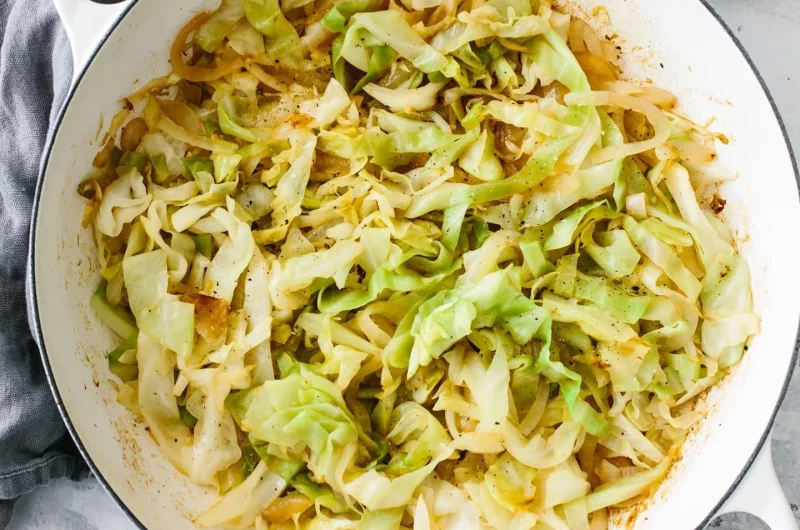
kcalButtery sautéed cabbage with garlic, onion, and smoked paprika, finished with a splash of vinegar for brightness. A fast, budget-friendly side dish with caramelized edges and real flavor in every bite.
Ingredients
1 medium head green cabbage (about 2 pounds), thinly sliced
3 tablespoons unsalted butter
2 tablespoons olive oil
4 cloves garlic, minced
1 small yellow onion, thinly sliced
1 teaspoon salt, plus more to taste
½ teaspoon black pepper
½ teaspoon smoked paprika
1 tablespoon apple cider vinegar
¼ cup crumbled bacon (optional)
¼ teaspoon red pepper flakes (optional)
2 tablespoons fresh parsley, chopped (optional)
1 tablespoon grated parmesan (optional)
½ teaspoon caraway seeds (optional)
1 tablespoon low-sodium soy sauce (optional)
Directions
- Remove tough outer leaves, quarter the cabbage, cut out the core, and thinly slice into ribbons. Rinse and pat dry thoroughly.
- Heat butter and olive oil in a large skillet over medium heat. Add onion and cook 3-4 minutes until softened and golden.
- Add garlic and cook 30 seconds until fragrant, stirring constantly to prevent burning.
- Add cabbage to the skillet, tossing to coat. Season with salt, pepper, and smoked paprika.
- Cook undisturbed in 2-3 minute intervals, stirring occasionally, for 12-15 minutes total until tender with slight caramelization.
- Remove from heat and stir in apple cider vinegar. Taste and adjust seasoning.
- Fold in optional add-ins like bacon or parmesan. Garnish with parsley and serve warm.
Recipe Video
Notes
- Avoid overcrowding the pan to prevent steaming instead of searing.
- Slice cabbage evenly for consistent texture throughout.
- Add salt halfway through cooking, not at the start.
- Store leftovers in an airtight container in the fridge for up to 4 days.
- Freezes well for up to 2 months; reheat in a skillet for best texture.