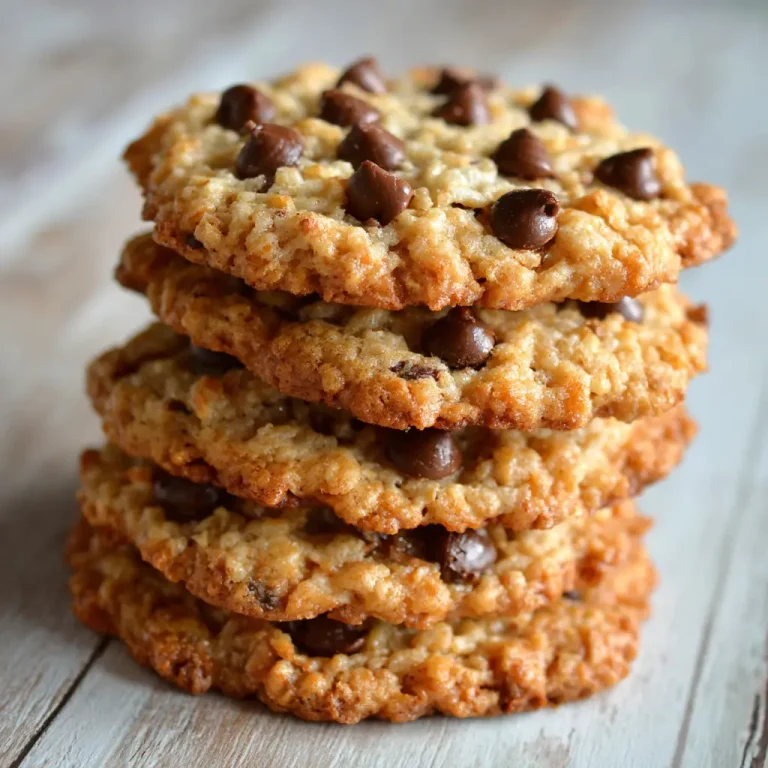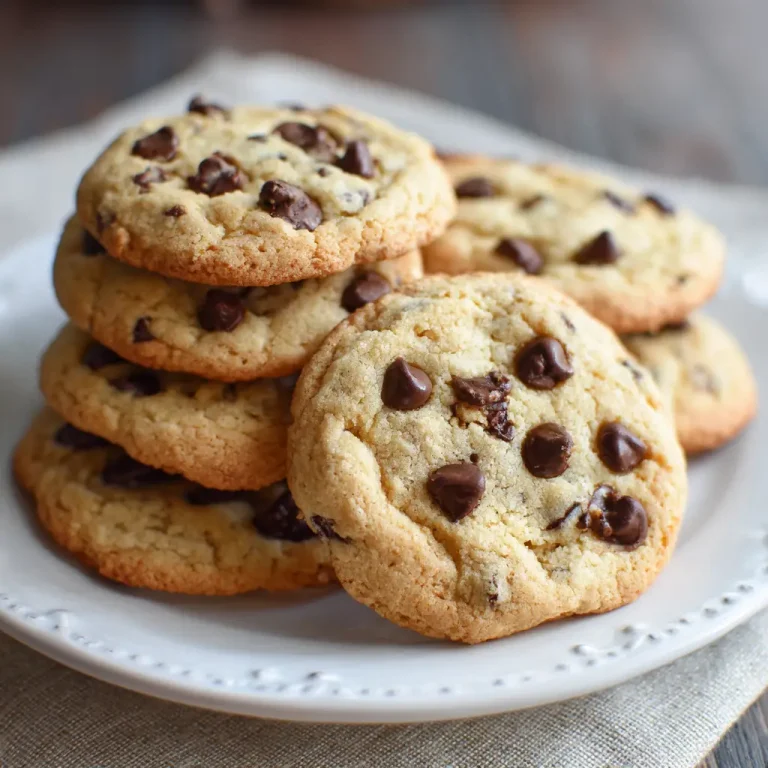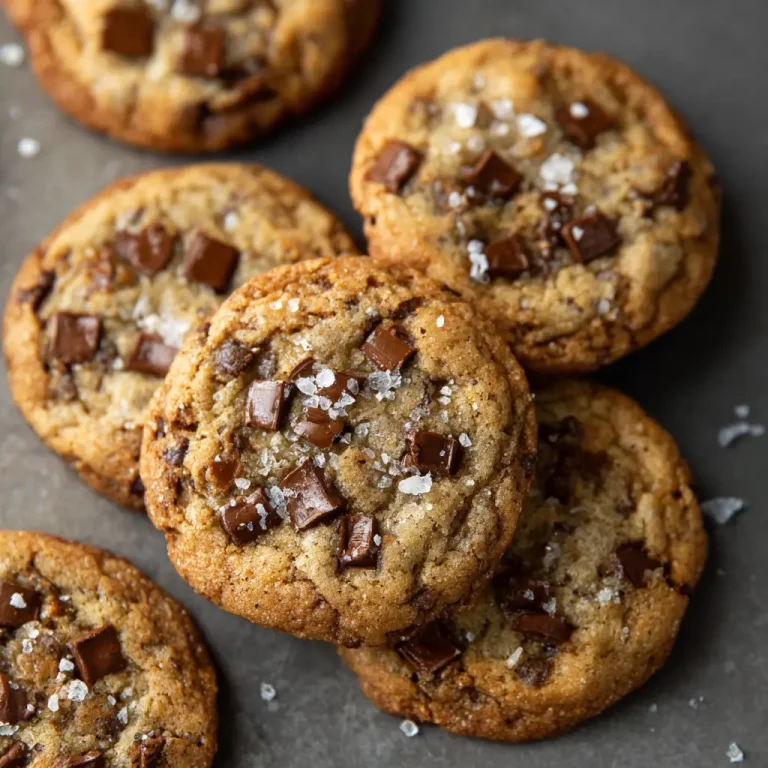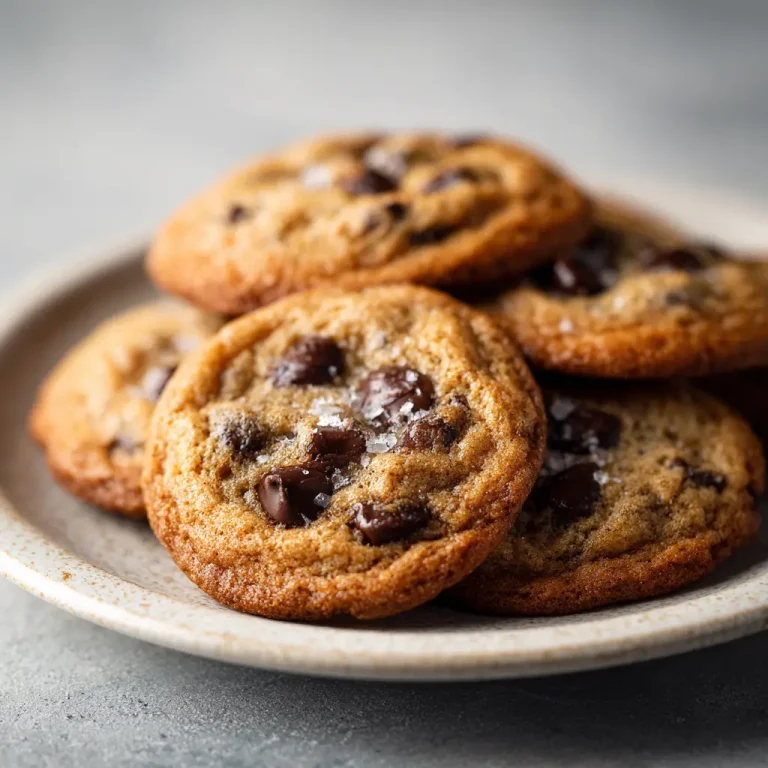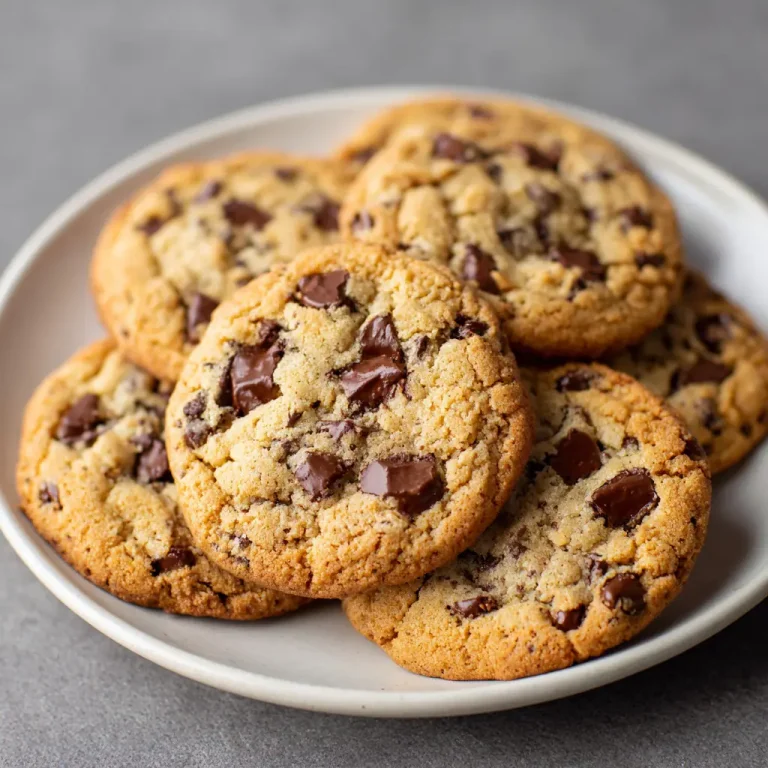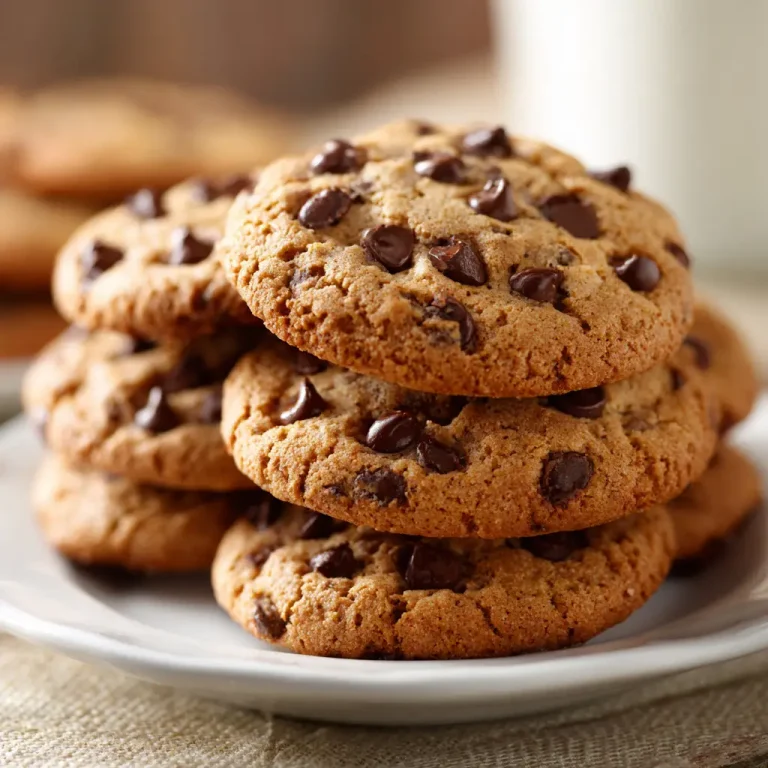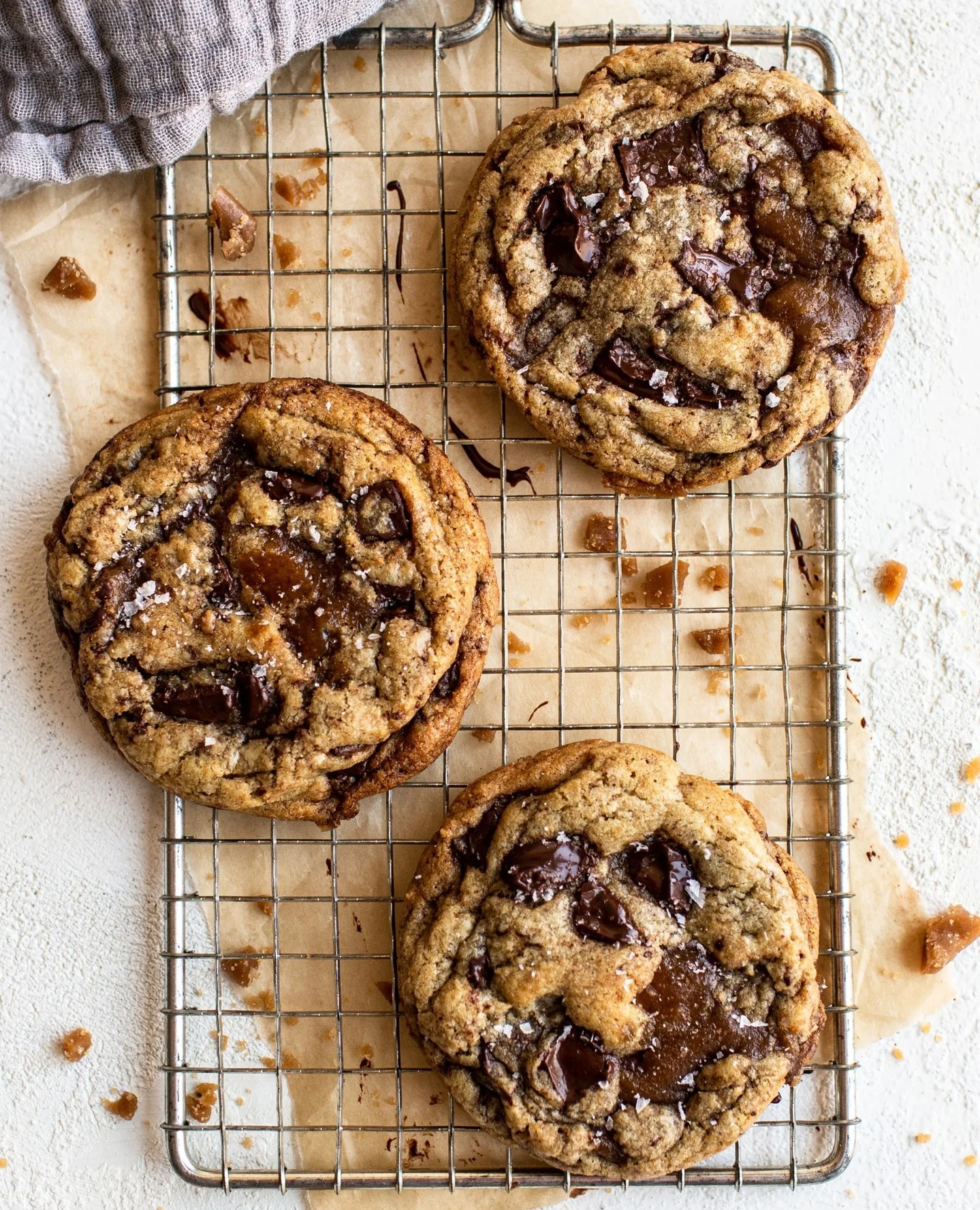
There is a specific kind of silence that happens when a batch of chocolate chip cookies comes out of the oven, edges golden and centers still trembling. It is the sound of a kitchen holding its breath before the first bite. This recipe was built around that exact moment.
Most chocolate chip cookies promise softness and deliver cardboard by day two. This one does not. Through careful attention to butter temperature, sugar ratios, and bake time, these cookies stay genuinely soft and chewy for days, not just minutes out of the oven.
You will not need a stand mixer, a chilling overnight, or a pantry full of specialty ingredients. What you need is about twelve minutes in the oven and a willingness to trust the process, even when the dough looks slightly underbaked when you pull it out.
Whether you are baking for a lunchbox, a bake sale, or simply because the craving hit hard on a Tuesday evening, this is the chocolate chip cookie recipe that earns a permanent spot in your recipe box. Let’s get into exactly how it comes together.
Ingredients You’ll Need
There is a quiet kind of magic in watching flour, butter, and sugar transform into something this good, and it starts right here on your counter with ingredients you likely already own.
Base Ingredients
- 1 cup unsalted butter, softened
- 3/4 cup granulated sugar
- 3/4 cup packed brown sugar
- 2 large eggs
- 2 teaspoons vanilla extract
- 2 1/4 cups all-purpose flour
- 1 teaspoon baking soda
- 1/2 teaspoon salt
- 2 cups semi-sweet chocolate chips
Optional Add-ins
- 1/2 cup chopped walnuts or pecans
- 1/2 cup dark chocolate chunks
- 1 teaspoon espresso powder
- 1/4 cup sea salt flakes for topping
- 1/2 cup white chocolate chips
- 1 tablespoon orange zest
Step-by-Step Instructions
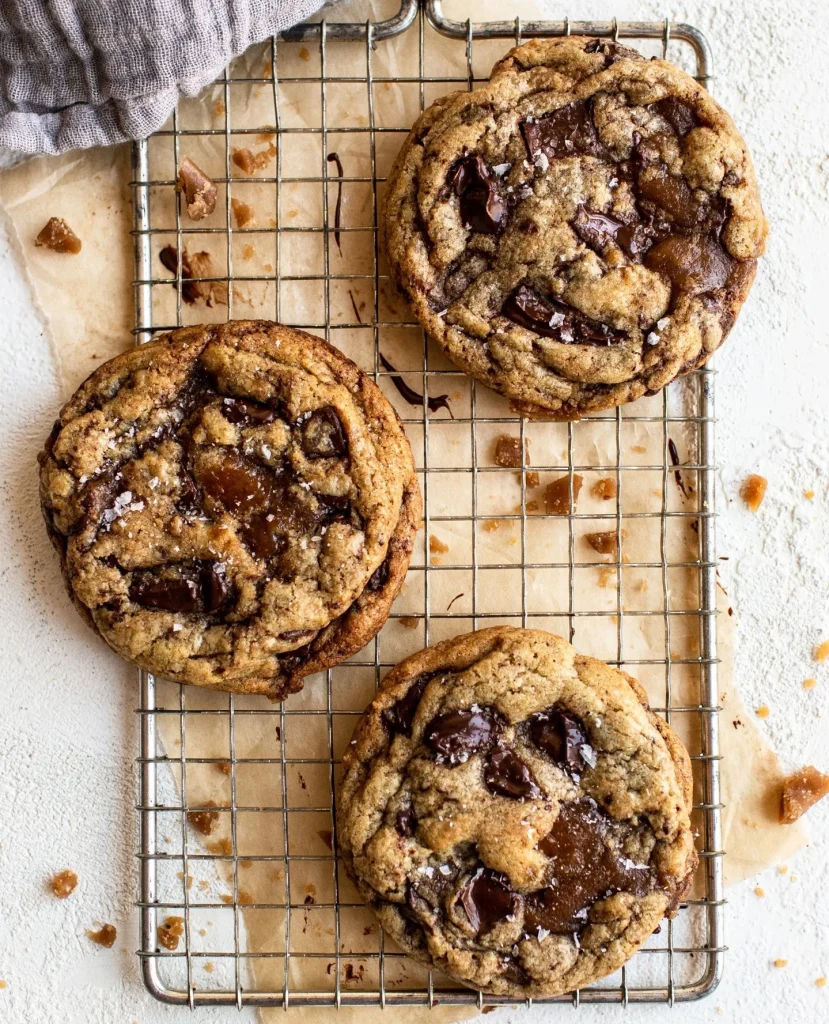
Cream the Butter and Sugars
In a large mixing bowl, beat the softened butter with granulated sugar and brown sugar until the mixture turns pale and fluffy, roughly two to three minutes. This step matters more than it seems. Properly creamed butter traps air pockets that give the cookies their signature chewy structure. Do not rush this stage or skip it by melting the butter instead, as melted butter produces flatter, greasier cookies rather than the soft, thick texture you’re aiming for.
Add Eggs and Vanilla
Crack in the eggs one at a time, beating well after each addition so the mixture stays smooth and doesn’t curdle. Pour in the vanilla extract and mix until fully incorporated. The batter should look glossy and slightly thickened at this point. This is also where you can add espresso powder if you’re using it, since it dissolves best into a wet, well-combined base rather than dry flour later on.
Combine the Dry Ingredients
In a separate bowl, whisk together the flour, baking soda, and salt until evenly distributed. Whisking first prevents pockets of baking soda from ending up in a single bite, which can create a bitter, metallic taste. Gradually fold the dry mixture into the wet ingredients using a spatula, mixing just until no streaks of flour remain. Overmixing at this stage develops gluten and leads to tougher, denser cookies.
Fold in the Chocolate Chips
Gently fold in the chocolate chips, along with any nuts or add-ins you have chosen. Use a light hand here so the dough stays airy rather than compact. If the dough feels overly soft or sticky at this point, chill it in the refrigerator for fifteen minutes before shaping. This short rest firms up the butter slightly and helps the cookies hold their shape while baking.
Shape and Bake
Scoop rounded tablespoons of dough onto a parchment-lined baking sheet, spacing them about two inches apart to allow for spreading. Bake at 375°F for ten to twelve minutes, until the edges look set and lightly golden but the centers still appear soft and slightly underdone. Resist the urge to leave them in longer; they firm up significantly as they cool.
Cool and Set
Let the cookies rest on the baking sheet for five minutes before transferring them to a wire rack. This resting period allows the residual heat to finish setting the centers without drying them out. Skipping this step and moving them too early often causes cookies to break apart or flatten unevenly on the rack.
Cook Time
Total: 27 minutes
Prep: 15 minutes
Bake: 12 minutes
Servings
This recipe makes approximately 24 medium-sized cookies, depending on how generously you scoop the dough. If you prefer larger bakery-style cookies, expect closer to 16 to 18 from the same batch, with a slightly longer bake time to match the increased size.
Portioning matters more than most bakers realize. A tablespoon-sized scoop keeps bake times consistent and ensures every cookie has that ideal balance of crisp edge and soft center. Using a cookie scoop rather than eyeballing it also means less guesswork and more uniform results across the whole tray.
Whether you’re feeding a family, packing lunchboxes for the week, or prepping for a gathering, this yield strikes a practical balance. It is generous enough to share, yet manageable enough that a single batch fits comfortably on two standard baking sheets.
Common Mistakes in This Recipe
The most frequent misstep is using butter that is too warm or partially melted. Warm butter cannot hold air the way properly softened butter does, and the result is a cookie that spreads too thin and bakes up greasy rather than chewy. Butter should be soft enough to press a finger into, but still cool to the touch.
Another common error is overbaking. Because the centers look underdone when the cookies are actually ready, many bakers leave them in for an extra two or three minutes, chasing a golden look that only develops after cooling. This single habit is responsible for more dry, crumbly cookies than any other factor.
Overmixing the dough after adding flour is a quieter mistake, but just as damaging. It develops gluten, which tightens the crumb and turns a tender cookie into something closer to bread.
Finally, skipping the parchment paper or using a dark, uninsulated baking sheet can cause uneven browning on the bottoms before the tops are fully set.
Solutions to Common Mistakes
To avoid overly soft butter, set it out roughly thirty to forty minutes before baking rather than microwaving it. It should hold its shape when pressed rather than sag or shine with melted spots.
For overbaking, set a timer for the minimum suggested time and check early. Look for matte, set edges and a center that still looks slightly glossy. Trust the visual cue over instinct, since the cookies continue cooking on the hot tray after removal.
When folding in flour, switch to a spatula instead of an electric mixer for the final stage. Fold gently and stop as soon as the flour disappears, even if a few streaks remain visible.
Line every tray with parchment paper or a silicone mat, and use light-colored aluminum baking sheets when possible to prevent scorched bottoms.
Nutritional Information (approx. per serving)
- Calories: 210 kcal
- Total Fat: 10g
- Saturated Fat: 6g
- Carbohydrates: 28g
- Sugars: 18g
- Protein: 2g
- Fiber: 1g
- Sodium: 105mg
Beyond the obvious indulgence, chocolate chip cookies made with real butter and semi-sweet chocolate offer small nutritional upsides worth mentioning. Dark and semi-sweet chocolate chips contain flavonoids, plant compounds linked to improved blood flow and antioxidant activity, which means each bite carries a bit more than pure sugar.
Eggs contribute a modest amount of protein and essential amino acids, helping balance the carbohydrate-heavy nature of a classic cookie recipe. This makes the treat slightly more satiating than sugar alone would be.
Using unsalted butter and controlling added salt keeps sodium levels reasonable for an everyday treat, especially compared to store-bought or packaged cookie alternatives loaded with preservatives.
Portion control remains key, but as an occasional treat, these cookies fit comfortably into a balanced diet without unnecessary additives or artificial flavorings.
Storage Instructions
Once fully cooled, store the cookies in an airtight container at room temperature for up to five days. Adding a slice of plain white bread to the container helps maintain moisture, keeping the cookies soft rather than letting them dry out over time.
For longer storage, freeze the baked cookies in a single layer before transferring them to a freezer-safe bag, where they will keep well for up to three months. Thaw them at room temperature for about twenty minutes before serving.
The raw cookie dough also freezes beautifully. Scoop it into individual balls, freeze them on a tray, then store in a bag so you can bake fresh cookies on demand straight from frozen, adding just one to two extra minutes to the bake time.
Avoid refrigerating baked cookies, as the cold, dry air of a refrigerator accelerates staleness far faster than room temperature storage does.
Suggestions
For an extra layer of flavor, sprinkle a pinch of flaky sea salt over each cookie right after they come out of the oven. The contrast between sweet chocolate and salt makes the flavor feel more complex and intentional.
Pair these cookies with a cold glass of milk, or crumble a slightly warm one over vanilla ice cream for an easy dessert upgrade that takes almost no extra effort.
If you enjoy texture variety, swap half the chocolate chips for chopped chocolate bars. The irregular shards melt unevenly, creating pockets of gooey chocolate throughout each bite.
For gifting, stack cooled cookies in a clear bag tied with twine, or layer them between parchment paper in a tin for a homemade touch that feels far more thoughtful than a store-bought box.
Seasonal Relevance
While chocolate chip cookies are a year-round staple, they earn a special place during the colder months, when the warmth of the oven and the smell of vanilla and butter feel especially comforting against chilly evenings.
During the holiday season, this base recipe adapts easily to festive touches like crushed peppermint, red and green sprinkles, or a swap to white chocolate chips for a seasonal twist without changing the core method.
In warmer months, these cookies work well chilled slightly before serving, holding their chewy texture even when the kitchen itself is warm, making them a reliable treat regardless of the weather outside.
Back-to-school season also brings a natural spike in demand for sturdy, freezer-friendly cookies like these, since they hold up well in lunchboxes without turning stale by midday.
Final Words
Great chocolate chip cookies are not about complicated technique or rare ingredients. They are about respecting a few key details: butter temperature, mixing time, and knowing exactly when to pull the tray from the oven.
This recipe was refined specifically to solve the most common complaint bakers have, which is cookies that taste incredible fresh but turn hard and disappointing by the next day. The techniques here directly address that problem.
Once you bake a batch and taste the difference softened butter and slight underbaking make, it becomes difficult to go back to any other chocolate chip cookie method.
Keep this recipe close, adjust the mix-ins to fit your mood, and let it become the version of chocolate chip cookies your kitchen is known for.
Frequently Asked Questions
Can I make this dough ahead of time and bake it later?
Yes, the dough keeps well in the refrigerator for up to 48 hours. Chilling actually deepens the flavor slightly. Let it sit at room temperature for about ten minutes before scooping, since cold dough can be firm and harder to portion evenly.
Why did my cookies come out flat instead of thick and chewy?
Flat cookies usually mean the butter was too warm, the dough wasn’t chilled when needed, or too little flour was used. Double-check your measurements with a kitchen scale if possible, and ensure butter is soft, not melted, before mixing.
Can I substitute margarine for butter in this recipe?
Margarine can work in a pinch, but it contains more water and less fat than butter, which often results in thinner, greasier cookies. For the best chewy texture and flavor described in this recipe, real unsalted butter is strongly recommended.
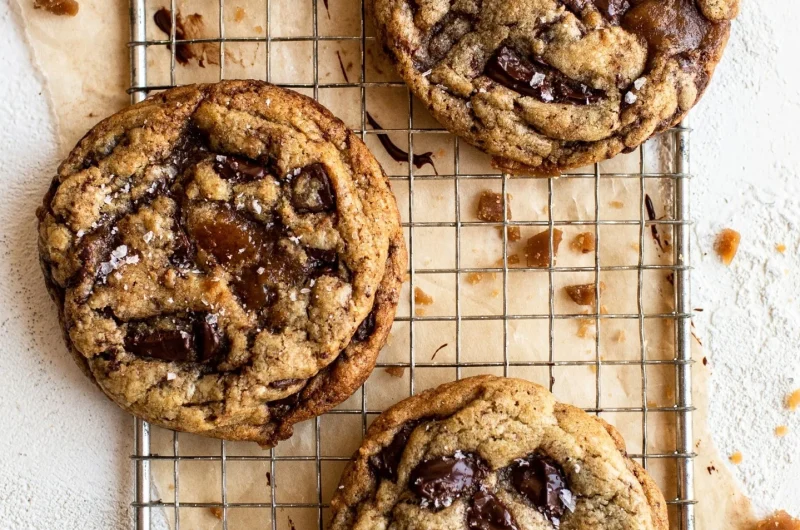
Soft and Chewy Chocolate Chip Cookies That Stay Perfect
24
servings15
minutes12
minutes210
kcalSoft, chewy chocolate chip cookies with crisp golden edges and gooey centers. Made with pantry staples, ready in under 30 minutes, and stays fresh for days — perfect for lunchboxes, gifting, or an anytime treat.
Ingredients
1 cup unsalted butter, softened
3/4 cup granulated sugar
3/4 cup packed brown sugar
2 large eggs
2 teaspoons vanilla extract
2 1/4 cups all-purpose flour
1 teaspoon baking soda
1/2 teaspoon salt
2 cups semi-sweet chocolate chips
1/2 cup chopped walnuts or pecans (optional)
1/2 cup dark chocolate chunks (optional)
1 teaspoon espresso powder (optional)
1/4 cup sea salt flakes, for topping (optional)
1/2 cup white chocolate chips (optional)
1 tablespoon orange zest (optional)
Directions
- Cream the softened butter with granulated sugar and brown sugar until pale and fluffy, 2–3 minutes.
- Beat in eggs one at a time, then mix in vanilla extract until glossy and smooth.
- Whisk flour, baking soda, and salt together in a separate bowl.
- Gradually fold the dry mixture into the wet ingredients until just combined.
- Gently fold in chocolate chips and any chosen add-ins.
- Chill the dough for 15 minutes if it feels too soft or sticky.
- Scoop rounded tablespoons of dough onto a parchment-lined baking sheet, spacing 2 inches apart.
- Bake at 375°F for 10–12 minutes, until edges are set but centers look slightly underdone.
- Let cookies rest on the tray for 5 minutes before transferring to a wire rack to cool completely.
Recipe Video
Notes
- Use butter that’s soft to the touch, not melted, for the chewiest texture.
- Don’t overbake — cookies firm up as they cool, so pull them when centers still look slightly glossy.
- Dough can be refrigerated up to 48 hours or frozen as pre-scooped balls for up to 3 months.
- Add a slice of plain bread to the storage container to keep cookies soft for longer.
- Sprinkle flaky sea salt on top right after baking for a sweet-salty flavor contrast.