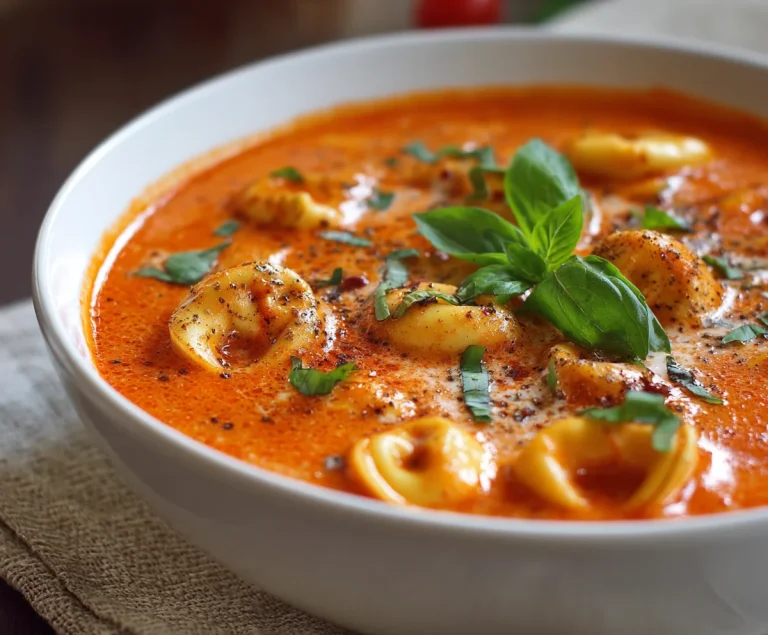
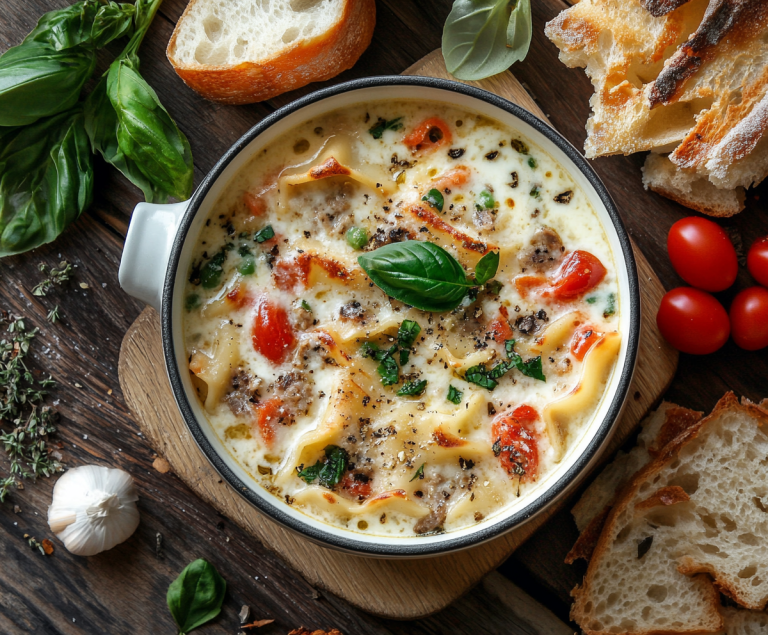
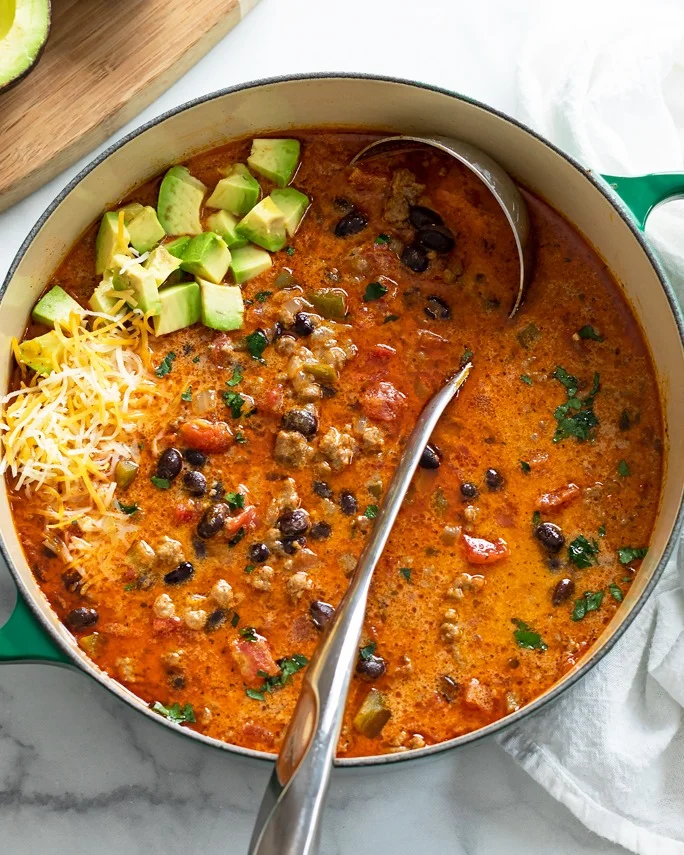
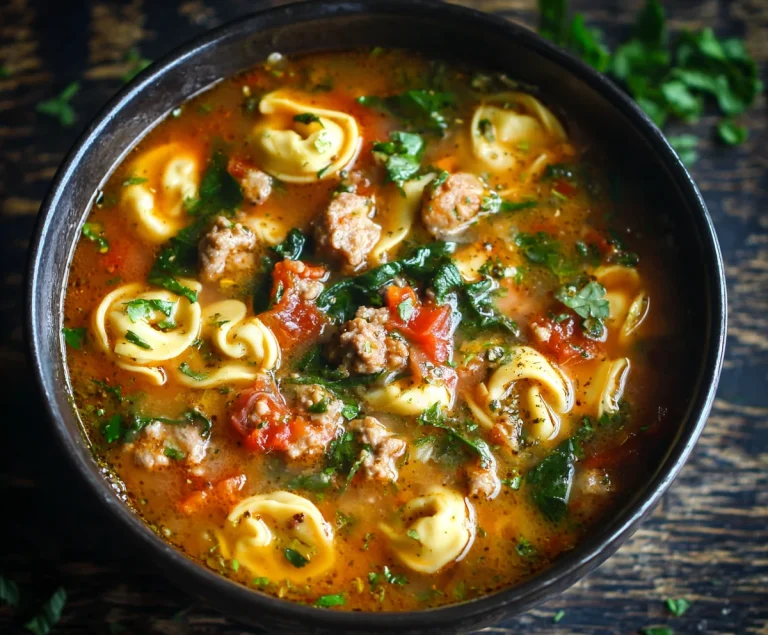
There is a particular kind of comfort that only a bowl of tomato soup can deliver, and it has nothing to do with the version that comes from a can. Roasting the tomatoes first is the secret most home cooks skip, and it is exactly what separates a forgettable soup from one you crave on a rainy Tuesday. The high heat draws out natural sugars, softens acidity, and builds a deep, almost caramelized sweetness that no amount of simmering on the stovetop alone can replicate.
This recipe leans into that roasted flavor, then finishes with a splash of cream and a handful of torn basil before everything gets blended into a silky, restaurant-quality puree. It is simple enough for a weeknight but polished enough to serve guests without apology.
What makes this version worth bookmarking is its balance. It is rich without being heavy, bright without being sharp, and comforting without tasting like it came from a childhood can. Every step is designed to build flavor in layers, not mask it with cream or sugar.
Pair it with a grilled cheese sandwich, and you have the coziest, most satisfying combination in your entire recipe rotation. Let’s get into exactly how to make it.
Ingredients You’ll Need
Great soup starts with a short, honest ingredient list, and this one proves that flavor doesn’t need to be complicated to be memorable. Below is everything required to build that deep, roasted-tomato base along with a few optional extras to make the bowl entirely your own.
One of the things I love about this recipe is that it uses simple pantry ingredients. You probably already have most of them in your kitchen.
Base Ingredients
- 2.5 lbs ripe roma tomatoes, halved
- 1 medium yellow onion, quartered
- 5 cloves garlic, unpeeled
- 3 tablespoons olive oil
- 1 teaspoon salt, plus more to taste
- 0.5 teaspoon black pepper
- 2 cups vegetable broth
- 0.5 cup heavy cream
- 0.25 cup fresh basil leaves, torn
- 1 tablespoon tomato paste
- 1 teaspoon sugar
Optional Add-ins
- 0.25 teaspoon red pepper flakes
- 1 tablespoon unsalted butter
- 0.25 cup grated parmesan cheese
- 1 teaspoon smoked paprika
- 2 tablespoons dry white wine
- 1 sprig fresh thyme
Step-by-Step Instructions
Roast the Tomatoes
Preheat your oven to 425°F. Arrange the halved tomatoes, quartered onion, and unpeeled garlic cloves on a large baking sheet. Drizzle everything with olive oil, then season generously with salt and pepper. Roast for 35 to 40 minutes, until the tomato skins blister and the edges turn slightly charred. This step is non-negotiable; it is where nearly all the soup’s deep, sweet flavor comes from. Let the tray cool slightly before handling, and don’t skip scraping up the caramelized bits stuck to the pan.
Build the Base
Once cooled enough to handle, squeeze the roasted garlic cloves out of their skins and discard the papery shells. Transfer the tomatoes, onion, and garlic into a large pot. Add the vegetable broth, tomato paste, and sugar, stirring to combine. Bring the mixture to a gentle simmer over medium heat and let it cook for 10 minutes. This allows the roasted vegetables to fully release their flavor into the liquid before blending, giving the final soup a rounder, more cohesive taste.
Blend Until Smooth
Remove the pot from heat and let it cool slightly for safety. Using an immersion blender, puree the soup directly in the pot until completely smooth, with no visible tomato skins remaining. If using a countertop blender, work in small batches and vent the lid to release steam. Blend longer than feels necessary; a truly silky texture is what makes this soup taste premium rather than rustic or unfinished.
Finish with Cream and Basil
Return the blended soup to low heat. Stir in the heavy cream and torn basil leaves, letting the soup warm through for 3 to 4 minutes without boiling. Boiling after adding cream can cause slight separation, so keep the heat gentle. Taste and adjust salt, pepper, or sugar as needed. The basil should soften but still smell bright and fresh, not cooked down or muted.
Serve and Enjoy
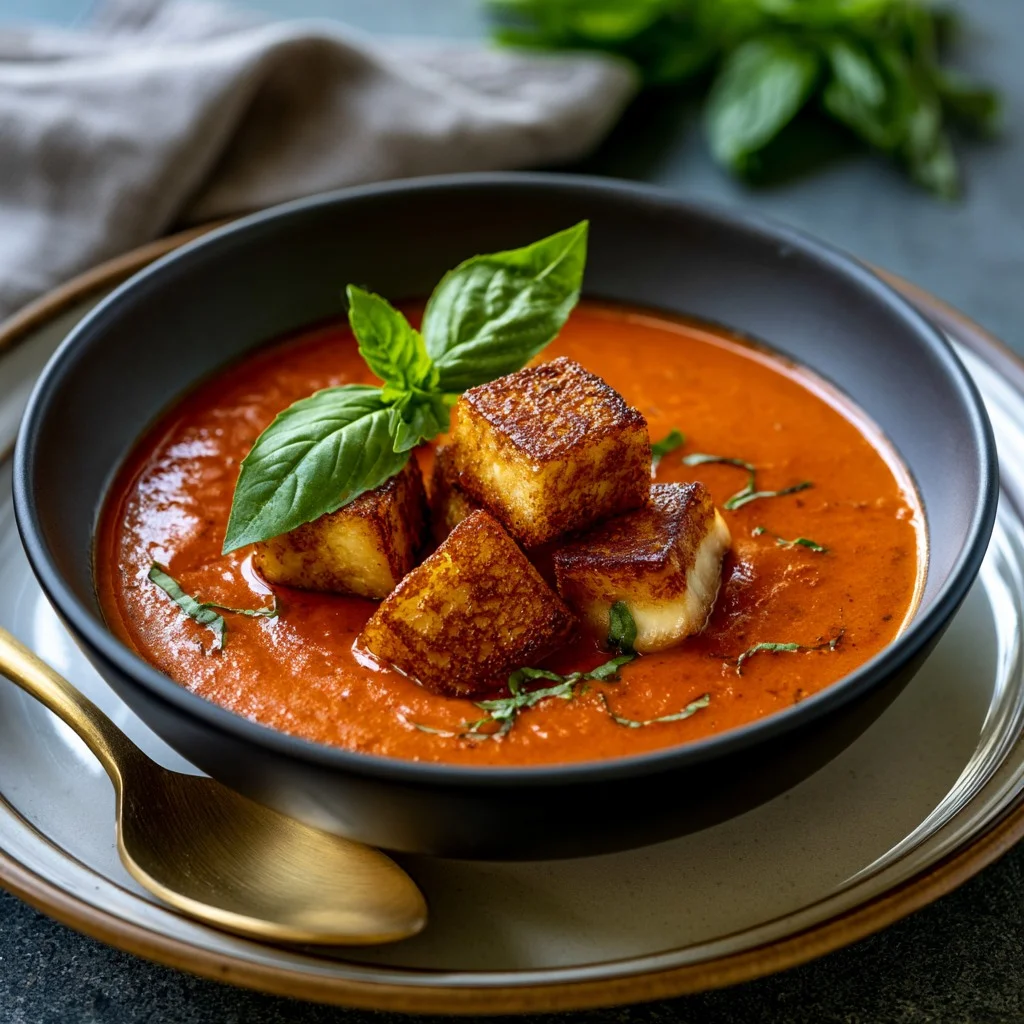
Ladle the hot soup into bowls and finish with a drizzle of olive oil, a few extra basil leaves, or a spoonful of parmesan if using. Serve immediately alongside a grilled cheese sandwich for dipping. This soup also holds heat well, making it ideal for slow, unhurried dinners where second helpings are practically guaranteed.
Cook Time
Total
55 minutes
Prep
15 minutes
Bake
40 minutes
Servings
This recipe makes approximately 6 servings, each about 1.25 cups, making it perfect for a family dinner or a small gathering with leftovers to spare. The yield is generous enough to serve alongside grilled cheese without needing to stretch portions thin.
If you’re cooking for a smaller household, the soup freezes beautifully, so halving the recipe isn’t necessary; simply portion and store what you don’t eat right away. For larger groups, the recipe scales up cleanly, doubling without losing its balance of sweetness and acidity.
Because the base is simple and forgiving, adjusting servings rarely requires recalculating seasoning ratios, which makes this one of the easier soups to prepare for unpredictable guest counts or last-minute additions to the table.
Common Mistakes in This Recipe
The most frequent mistake is skipping the roasting step entirely or rushing it. Tomatoes that aren’t properly roasted stay watery and acidic, leaving the finished soup thin and sharp instead of rich and rounded. Another common error is adding the cream too early or letting the soup boil afterward, which can cause the dairy to separate into an unappealing, slightly curdled texture rather than staying silky.
Many home cooks also under-blend the soup, leaving behind small bits of tomato skin that create a grainy mouthfeel instead of the smooth, spoon-coating consistency this recipe is known for. Over-salting early in the process is another pitfall, since the broth reduces and concentrates as it simmers, intensifying flavors that were already balanced.
Finally, using unripe or out-of-season tomatoes without any compensation, like extra tomato paste or sugar, often results in a flat, one-dimensional soup regardless of how carefully the rest of the steps are followed.
Solutions to Common Mistakes
Always roast tomatoes until their edges visibly char, not just soften. That caramelization is doing real flavor work, so resist the urge to pull the tray early. When adding cream, lower the heat first and stir gently, keeping the soup at a light simmer rather than a rolling boil to preserve a smooth, stable texture throughout.
To avoid graininess, blend longer than feels necessary, especially with an immersion blender, and scrape down the sides of the pot to catch any stubborn skins. Season in stages instead of all at once, tasting after the simmer and again after blending, since flavors shift as the soup reduces.
If your tomatoes aren’t at peak ripeness, compensate with an extra teaspoon of tomato paste or a touch more sugar to restore balance. These small corrections consistently produce a rounder, more consistent result.
Nutritional Information (approx. per serving)
- Calories: 210
- Protein: 3g
- Carbohydrates: 16g
- Fat: 15g
- Saturated Fat: 6g
- Fiber: 3g
- Sugar: 9g
- Sodium: 480mg
Tomatoes are rich in lycopene, an antioxidant linked to heart health and reduced inflammation, and roasting actually increases its availability compared to raw tomatoes. This soup delivers that benefit in a genuinely enjoyable form, rather than as an afterthought ingredient buried in a larger dish.
The garlic and onion base contributes prebiotic fibers that support gut health, while the modest amount of cream keeps the dish satisfying without tipping into excessive richness. Using vegetable broth instead of heavy stock also keeps sodium and fat more manageable per serving.
Fresh basil adds more than aroma; it contributes small amounts of vitamin K and additional antioxidant compounds that complement the tomatoes well. Together, these ingredients make the soup feel indulgent while still offering real nutritional value.
This makes it a reasonable option for lighter lunches or as a starter course without overwhelming the rest of the meal.
Storage Instructions
Let the soup cool completely before transferring it to an airtight container. Stored properly in the refrigerator, it keeps well for up to 4 days, and the flavor often deepens slightly by day two as the roasted notes continue to meld together.
For longer storage, this soup freezes exceptionally well for up to 3 months. Freeze it in individual portions using freezer-safe containers or heavy-duty freezer bags laid flat, which makes thawing faster and storage more space-efficient.
When reheating, warm the soup gently over low to medium heat on the stovetop, stirring occasionally to prevent the cream from separating. Avoid microwaving at high power in short, uneven bursts, as this can affect texture more than a slow stovetop reheat.
If the soup thickens too much after chilling, whisk in a small splash of broth or water while reheating to bring it back to its original silky consistency without diluting the flavor.
Suggestions
Serve this soup with a classic grilled cheese sandwich for the ultimate cozy pairing, but don’t stop there. A crusty piece of sourdough with butter or a warm garlic knot works just as well for dipping and mopping up the last spoonful.
For a heartier meal, top individual bowls with croutons, a swirl of extra cream, or crispy roasted chickpeas for texture contrast. A light sprinkle of parmesan or a few fresh basil ribbons right before serving elevates the presentation without any extra effort.
This soup also works well as a starter before a larger Italian-inspired meal, such as roasted chicken or a simple pasta dish, since its bright acidity helps cleanse the palate between courses.
If you’re meal prepping, portion it into individual containers with grilled cheese croutons stored separately so they stay crisp until you’re ready to eat.
Seasonal Relevance
While canned tomatoes make this soup possible year-round, it truly shines in late summer and early fall, when tomatoes are at their ripest and most flavorful. Farmers’ market tomatoes during this window need very little help to taste extraordinary once roasted.
Come winter, this soup transitions into pure comfort food territory, offering warmth and richness on cold days when heavier, slow-cooked meals feel most appropriate. Pairing it with grilled cheese only strengthens that cold-weather appeal.
In spring, lighter versions with less cream and a touch more basil feel fresh and appropriate for milder weather, without losing the core roasted-tomato character that defines the dish.
Regardless of season, this recipe adapts easily, making it a genuinely versatile addition to a home cook’s regular rotation rather than a dish reserved for one specific time of year.
Final Words
This tomato soup recipe earns its place as a staple because it respects the process without overcomplicating it. Roasting, simmering, and blending are simple techniques, but executed correctly, they produce something far more refined than a quick stovetop version ever could.
What stands out most is the balance this recipe strikes between comfort and craft. It feels homemade in the best sense, warm and familiar, while still tasting like something you’d order at a well-run neighborhood bistro rather than reheat from a can.
Whether you’re making it for a quiet solo dinner or serving it to guests alongside grilled cheese, this soup consistently delivers on flavor, texture, and presentation without demanding advanced skills or specialty ingredients.
Keep this recipe on hand for the next cool evening, and don’t be surprised if it becomes a permanent fixture in your cooking rotation.
Frequently Asked Questions
Can I make this soup without a blender?
Yes, though the texture will be chunkier. Mash the roasted tomatoes and vegetables thoroughly with a potato masher or fork before adding broth. The soup won’t be as silky, but it will still taste rich and flavorful thanks to the roasting step.
Is this recipe suitable for a dairy-free diet?
Absolutely. Swap the heavy cream for full-fat coconut milk or a plant-based cream alternative. The flavor shifts slightly, but the soup remains rich and satisfying. Skip the parmesan garnish or use a dairy-free version instead.
Why does my soup taste too acidic even after roasting?
This usually means the tomatoes weren’t fully ripe or roasted long enough. Add an extra teaspoon of sugar or a small pat of butter to round out sharpness, and ensure tomatoes develop visible charring before blending.
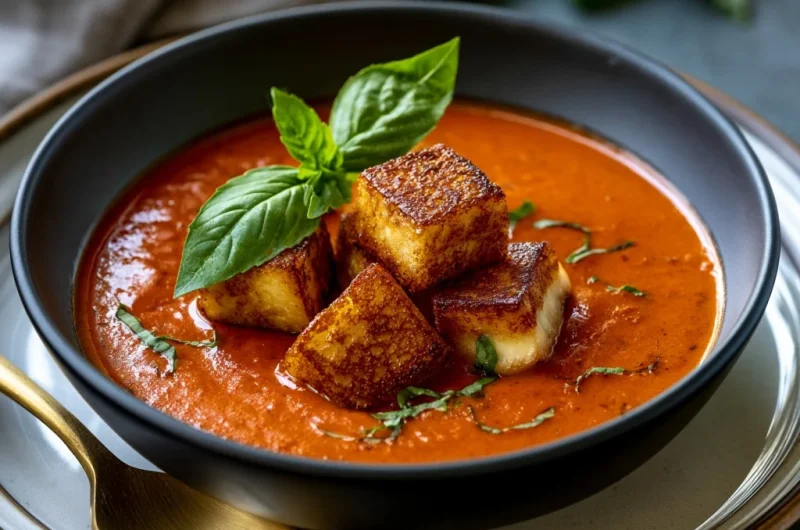
Creamy Homemade Tomato Soup for Cozy Days
6
servings15
minutes40
minutes210
kcalA silky, roasted tomato soup finished with cream and fresh basil. Sweet, rich, and deeply flavorful, it’s the ultimate cozy pairing for a crisp grilled cheese sandwich on any chilly day.
Ingredients
2.5 lbs ripe roma tomatoes, halved
1 medium yellow onion, quartered
5 cloves garlic, unpeeled
3 tablespoons olive oil
1 teaspoon salt, plus more to taste
0.5 teaspoon black pepper
2 cups vegetable broth
0.5 cup heavy cream
0.25 cup fresh basil leaves, torn
1 tablespoon tomato paste
1 teaspoon sugar
Optional Add-ins:
0.25 teaspoon red pepper flakes
1 tablespoon unsalted butter
0.25 cup grated parmesan cheese
1 teaspoon smoked paprika
2 tablespoons dry white wine
1 sprig fresh thyme
Directions
- Preheat oven to 425°F. Arrange tomatoes, onion, and garlic on a baking sheet; drizzle with olive oil and season with salt and pepper.
- Roast for 35–40 minutes until charred and blistered.
- Squeeze roasted garlic from skins; transfer everything to a pot with broth, tomato paste, and sugar.
- Simmer for 10 minutes over medium heat.
- Remove from heat and blend until completely smooth.
- Return to low heat; stir in cream and basil, warming gently for 3–4 minutes without boiling.
- Adjust seasoning to taste.
- Ladle into bowls, garnish as desired, and serve hot with grilled cheese.
Recipe Video
Notes
- Roasting the tomatoes fully is essential for depth of flavor; don’t rush this step.
- Keep heat low after adding cream to prevent separation.
- Blend longer than expected for a silky, restaurant-quality texture.
- Freezes well for up to 3 months in individual portions.