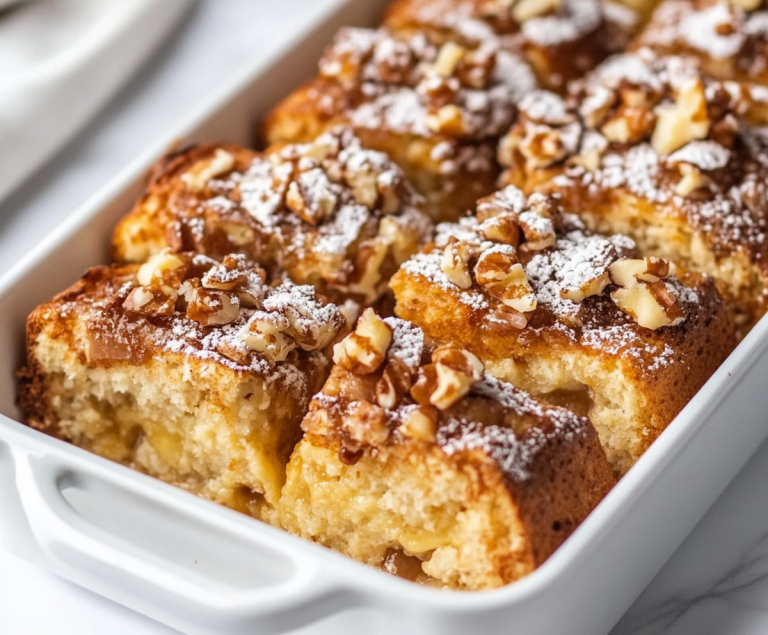
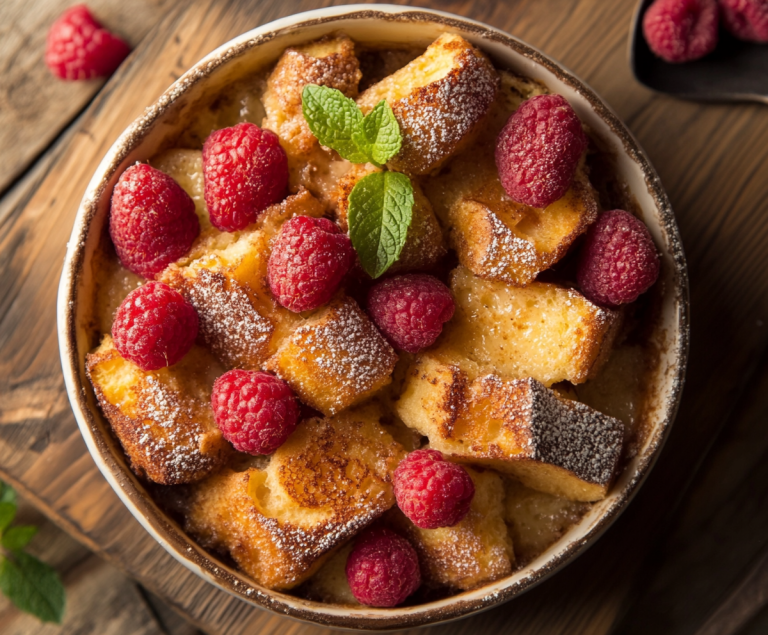
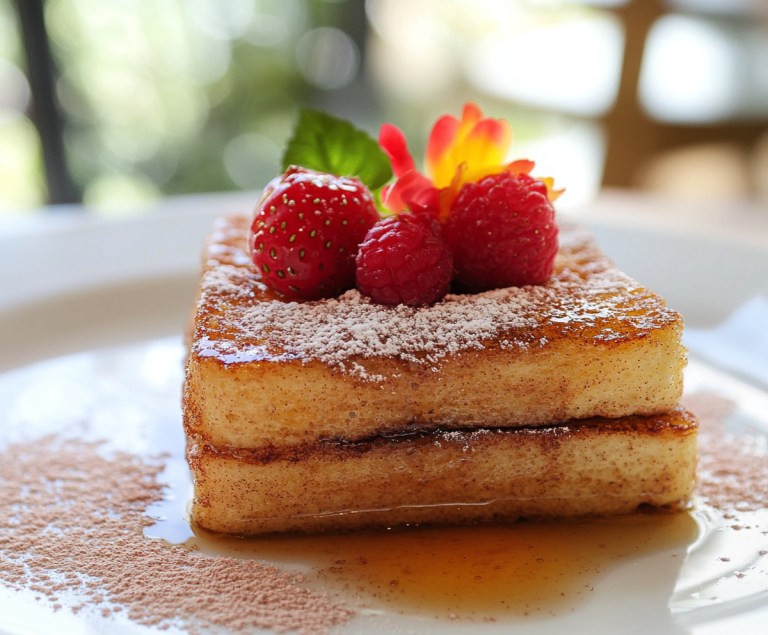
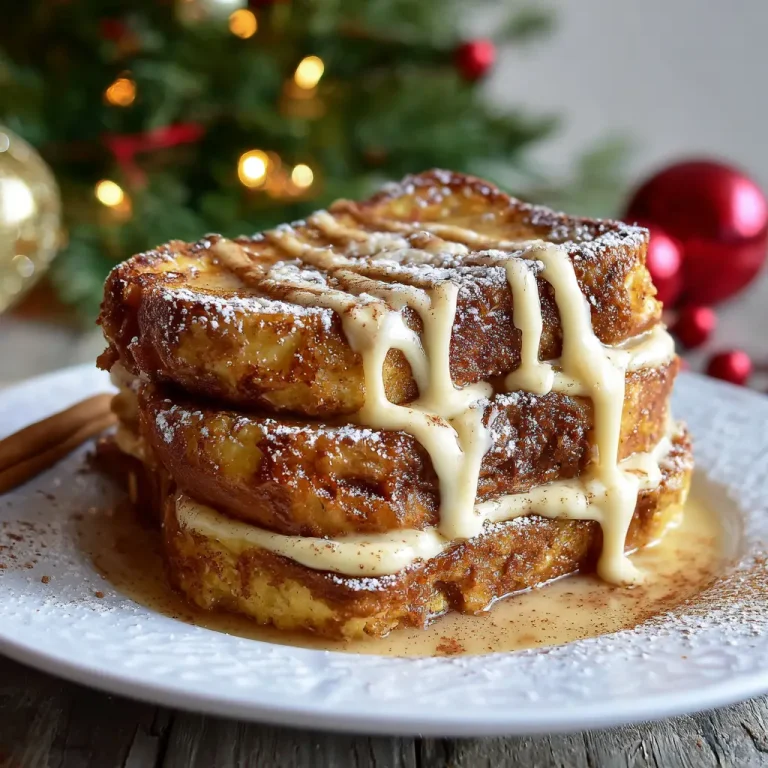
There’s a particular kind of magic that happens when day-old bread meets a rich, spiced custard and rests overnight in the refrigerator. By morning, every slice has drunk in that sweet vanilla-cinnamon mixture, and all that’s left to do is slide the dish into the oven. This is the quiet genius behind a great French toast casserole.
Unlike stovetop French toast, which demands you stand over a skillet flipping slices one by one, this baked version feeds a crowd without any last-minute fuss. It’s the breakfast equivalent of meal prep meeting comfort food, and it consistently outperforms traditional French toast when you’re hosting guests or feeding a hungry family on a lazy Saturday.
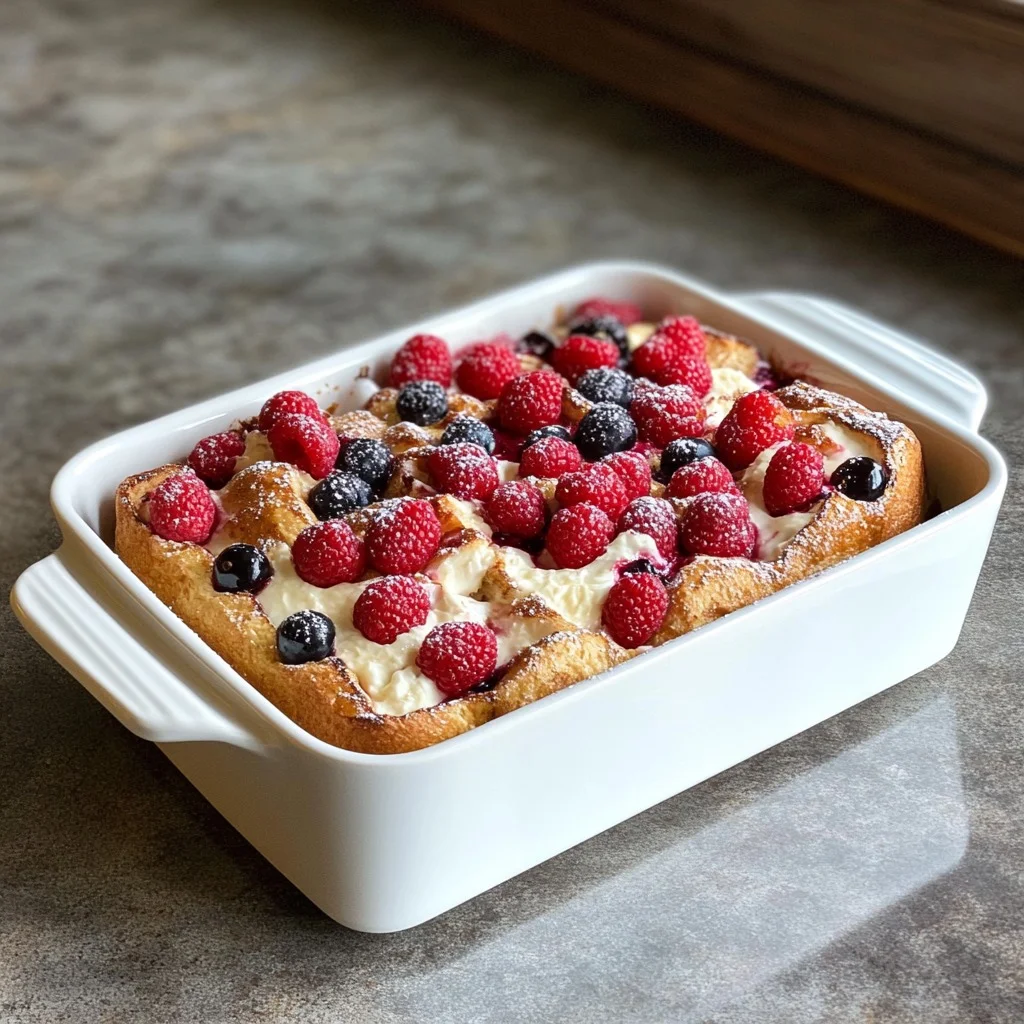
What sets this recipe apart is the contrast in texture. Underneath, the bread turns custardy and soft, almost like bread pudding. On top, a buttery cinnamon-sugar layer bakes into a crisp, golden crust that shatters slightly under your fork. That combination of tender and crunchy is what makes people ask for seconds.
Whether you’re planning a holiday brunch, a lazy Sunday, or a make-ahead solution for busy weekday mornings, this dish delivers restaurant-quality results with minimal effort. Let’s walk through exactly how to build it right.
Ingredients You’ll Need
Great baked French toast starts with humble ingredients doing extraordinary work together, and this dish proves that comfort food doesn’t need to be complicated to taste incredible.
Base Ingredients
- 1 loaf (about 16 oz) French bread or brioche, cut into cubes
- 8 large eggs
- 2 cups whole milk
- 1 cup heavy cream
- ¾ cup granulated sugar
- 2 teaspoons vanilla extract
- 1 teaspoon ground cinnamon
- ¼ teaspoon ground nutmeg
- ¼ teaspoon salt
- ½ cup unsalted butter, melted (for topping)
- ¾ cup brown sugar (for topping)
- 1 teaspoon cinnamon (for topping)
Optional Add-ins
- ½ cup chopped pecans or walnuts
- ½ cup raisins or dried cranberries
- 1 tablespoon orange zest
- ½ cup cream cheese, cubed
- 1 cup fresh berries
- 2 tablespoons maple syrup, swirled into custard
Step-by-Step Instructions
Prepare the Bread
Cut your loaf into 1-inch cubes and let them sit out for a few hours, or lightly toast them in the oven at 300°F for 10 minutes. Slightly stale or dried bread absorbs the custard far better than fresh, soft bread, preventing a soggy, dense final texture. Spread the cubes evenly across a generously greased 9×13-inch baking dish, making sure they’re loosely layered rather than tightly packed together.
Make the Custard
In a large mixing bowl, whisk together the eggs, whole milk, heavy cream, granulated sugar, vanilla extract, cinnamon, nutmeg, and salt until fully combined and slightly frothy. The mixture should look pale yellow and smooth, with no streaks of egg white remaining. This custard base is what transforms plain bread into that signature soft, pudding-like interior everyone loves about this dish.
Soak and Chill
Pour the custard evenly over the bread cubes, gently pressing down with a spatula so every piece gets coated. If using add-ins like pecans or dried fruit, fold them in now. Cover tightly with plastic wrap and refrigerate for at least 4 hours, though overnight is ideal. This resting period is non-negotiable for achieving that deeply custardy texture.
Add the Topping
Just before baking, mix melted butter with brown sugar and cinnamon until it forms a thick, sandy paste. Sprinkle this mixture evenly over the chilled casserole, covering as much surface area as possible. This layer is what creates the irresistible crispy, caramelized crust on top while the interior stays soft, so don’t skip or skimp on it.
Bake to Golden Perfection
Preheat your oven to 350°F. Bake the casserole uncovered for 45 to 50 minutes, until the top is deep golden brown and the center is set but still slightly jiggly. If the top browns too quickly, tent it loosely with foil. Let it rest for 10 minutes before slicing, which allows the custard to fully settle.
Cook Time
Total
1 hour 5 minutes (plus at least 4 hours chilling time)
Prep
15 minutes
Bake
45 to 50 minutes
Servings
This recipe makes approximately 8 to 10 generous servings, making it an excellent choice for holiday mornings, weekend brunches, or feeding a full house of guests without needing to cook multiple batches. A standard 9×13-inch dish provides enough depth and surface area to serve a crowd while still maintaining that ideal ratio of crispy top to custardy interior.
If you’re cooking for a smaller household, the leftovers reheat beautifully, so don’t hesitate to make the full batch anyway. Individual squares freeze well too, which means this dish can quietly become a weekday breakfast solution long after the weekend brunch is over.
For larger gatherings, this recipe doubles cleanly into two baking dishes. Just be sure each dish gets its own even layer of topping, since crowding two batches into one oversized pan tends to compromise that all-important crispy crust everyone looks forward to.
Common Mistakes in This Recipe
The most frequent misstep is using fresh, soft bread straight from the bakery. Fresh bread lacks the structure to hold up under a rich custard soak and often collapses into a mushy, dense texture rather than the light, pillowy interior this dish is known for. Skipping the staling step is one of the fastest ways to disappoint your guests.
Another common error is rushing the chilling time. Some home cooks assume 30 minutes in the fridge is enough, but the bread needs hours to fully absorb the custard evenly. Undersoaked casseroles bake unevenly, leaving dry pockets next to overly wet ones.
Overbaking is also surprisingly common, especially in ovens that run hot. Leaving the casserole in too long dries out the edges while the topping can burn before the center finishes setting properly.
Finally, many people skip greasing the dish thoroughly, which leads to sticking and torn servings once it’s time to plate the casserole for guests.
Solutions to Common Mistakes
To avoid the soggy bread problem, always use bread that’s at least a day old, or toast fresh cubes in a low oven for 10 minutes to dry them out intentionally before assembling the dish.
For the chilling issue, plan ahead and give the casserole a minimum of 4 hours in the refrigerator, though overnight soaking consistently produces the best, most evenly custardy texture throughout.
To prevent overbaking, start checking the casserole at the 40-minute mark and look for a top that’s golden with a slight jiggle in the center, which will continue to set as it rests outside the oven.
Lastly, generously butter or spray your baking dish before adding the bread cubes, and consider lining the bottom with parchment paper for guaranteed easy release and clean serving squares.
Nutritional Information (approx. per serving)
- Calories: 410 kcal
- Protein: 11g
- Carbohydrates: 42g
- Fat: 22g
- Saturated Fat: 11g
- Fiber: 1g
- Sugar: 26g
- Sodium: 310mg
Beyond its comforting flavor, this dish offers a solid protein boost thanks to the eggs and milk in the custard base, helping keep you fuller for longer compared to a typical sugary breakfast pastry. Protein-rich breakfasts are also linked to steadier energy levels throughout the morning.
The dairy content contributes meaningful calcium and vitamin D, both of which support bone health and are often lacking in standard American diets, especially during busy weekday mornings when breakfast gets skipped altogether.
Adding nuts as an optional topping introduces heart-healthy unsaturated fats and a satisfying crunch, while also contributing small amounts of magnesium and fiber that plain white bread alone wouldn’t offer.
Because this recipe is portion-controlled by design, it naturally encourages mindful serving sizes compared to grabbing multiple pastries or bowls of cereal, making it easier to enjoy a special breakfast without derailing your usual eating habits.
Storage Instructions
Leftover French toast casserole keeps beautifully in the refrigerator for up to 4 days when stored in an airtight container or tightly covered with plastic wrap directly in the baking dish. The custard-soaked texture actually holds up well over multiple days.
For longer storage, this casserole freezes excellently for up to 2 months. Slice it into individual portions first, then wrap each piece tightly in plastic wrap before placing them in a freezer-safe bag or container to prevent freezer burn.
To reheat refrigerated portions, warm them in a 325°F oven for about 15 minutes, or microwave individual servings for 60 to 90 seconds until heated through. The oven method helps preserve that crispy topping better than the microwave alone.
Frozen portions should be thawed overnight in the refrigerator before reheating using either method above. Avoid reheating directly from frozen, as this often results in uneven heating and a soggier texture overall.
Suggestions
Serve this casserole warm with a generous drizzle of pure maple syrup and a light dusting of powdered sugar for a classic, crowd-pleasing presentation that never goes out of style at any brunch table.
Fresh fruit makes an excellent companion here, whether it’s a simple bowl of mixed berries, sliced bananas, or a citrus salad, all of which add brightness that balances the richness of the custard and buttery topping.
For a more indulgent spread, pair it alongside crispy bacon or breakfast sausage links, creating that satisfying sweet-and-savory combination that turns an ordinary breakfast into a full holiday-worthy spread.
A dollop of whipped cream or a scoop of vanilla yogurt on top also works wonderfully, especially for special occasions like Mother’s Day brunch or Christmas morning when presentation matters just as much as flavor.
Seasonal Relevance
This casserole shines brightest during the colder months, when warm, spiced breakfasts feel especially comforting against chilly mornings. Its make-ahead nature makes it a natural fit for Thanksgiving weekend and Christmas morning traditions.
During the fall season, consider folding in warm spices like cardamom or a touch of pumpkin puree into the custard for a seasonal twist that pairs beautifully with the existing cinnamon notes already in the recipe.
In spring and summer, lighten things up by topping servings with fresh berries or a citrus glaze, transforming the same base recipe into something that feels appropriate for Easter brunch or a warm-weather gathering.
Because it’s endlessly adaptable to seasonal fruits and spices, this dish never feels dated or out of place, no matter which holiday or gathering finds it on the breakfast table.
Final Words
This French toast casserole earns its place as a go-to recipe because it solves a real problem: feeding a crowd a special breakfast without spending your entire morning at the stove. The overnight prep does the heavy lifting for you.
What makes it truly stand out is the balance between textures and the flexibility to make it your own with mix-ins, toppings, and seasonal twists, all while keeping the base method reliable and foolproof every single time.
Whether this becomes your new holiday tradition or simply your answer to a busy weekend with houseguests, it’s a recipe worth keeping in permanent rotation for its ease and consistently impressive results.
Give it a try this weekend, and don’t be surprised when it becomes the most requested breakfast in your household for every future gathering and holiday morning.
Frequently Asked Questions
Can I use a different type of bread besides French bread or brioche?
Yes, challah, Texas toast, or even sourdough work well. Choose a sturdy, slightly dense bread that can absorb custard without falling apart. Avoid overly soft sandwich bread, as it tends to disintegrate during baking and won’t hold the structure this casserole needs.
Can I make this casserole dairy-free?
Yes, substitute whole milk and heavy cream with full-fat coconut milk or a plant-based creamer, and use dairy-free butter for the topping. The texture stays rich and custardy, though the flavor will carry a slightly different, subtly sweet undertone.
Why is my casserole watery in the middle after baking?
This usually means it needed more time in the oven, or the custard-to-bread ratio was too high. Test doneness with a knife inserted near the center; it should come out mostly clean with just a slight jiggle remaining.
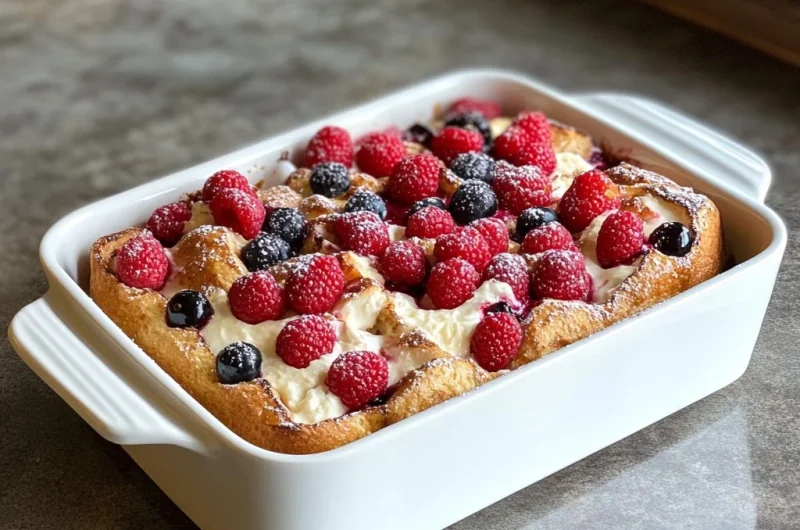
Easy French Toast Casserole for a Cozy Weekend Breakfast
8
servings15
minutes45
minutes410
kcalA make-ahead breakfast bake with custard-soaked bread and a crispy cinnamon sugar topping. Assemble it the night before, bake in the morning, and serve a warm, comforting dish that’s perfect for holidays, brunches, or busy weekends with almost no effort.
Ingredients
Base Ingredients:
1 loaf (about 16 oz) French bread or brioche, cut into cubes
8 large eggs
2 cups whole milk
1 cup heavy cream
¾ cup granulated sugar
2 teaspoons vanilla extract
1 teaspoon ground cinnamon
¼ teaspoon ground nutmeg
¼ teaspoon salt
½ cup unsalted butter, melted (for topping)
¾ cup brown sugar (for topping)
1 teaspoon cinnamon (for topping)
Optional Add-ins:
½ cup chopped pecans or walnuts
½ cup raisins or dried cranberries
1 tablespoon orange zest
½ cup cream cheese, cubed
1 cup fresh berries
2 tablespoons maple syrup, swirled into custard
Directions
- Cut the bread loaf into 1-inch cubes and let sit out for a few hours, or lightly toast at 300°F for 10 minutes.
- Spread the bread cubes evenly across a greased 9×13-inch baking dish.
- In a large bowl, whisk together eggs, whole milk, heavy cream, granulated sugar, vanilla extract, cinnamon, nutmeg, and salt until smooth.
- Pour the custard evenly over the bread cubes, pressing gently so every piece is coated.
- Fold in any desired add-ins, such as pecans or dried fruit.
- Cover tightly and refrigerate for at least 4 hours, or overnight.
- Mix melted butter, brown sugar, and cinnamon into a thick paste for the topping.
- Sprinkle the topping evenly over the chilled casserole just before baking.
- Preheat oven to 350°F and bake uncovered for 45-50 minutes, until golden and set with a slight jiggle in the center.
- Let rest for 10 minutes before slicing and serving.
Recipe Video
Notes
- Use slightly stale or toasted bread for the best texture; fresh, soft bread turns mushy.
- Chilling overnight produces the most evenly custardy result.
- Tent with foil if the top browns too quickly during baking.
- Leftovers keep refrigerated for up to 4 days or frozen for up to 2 months.
- Reheat in a 325°F oven for best texture; avoid reheating from frozen.