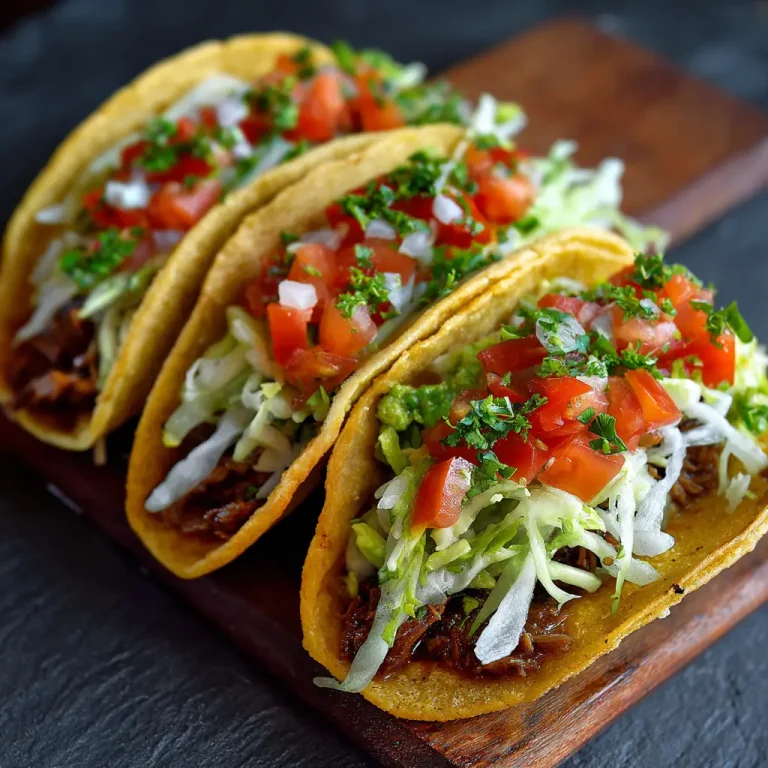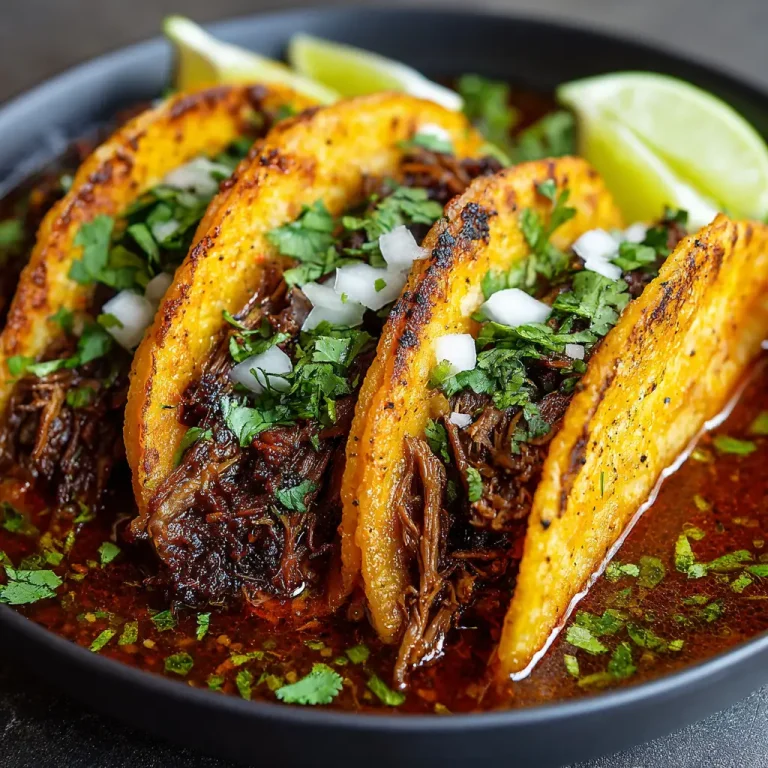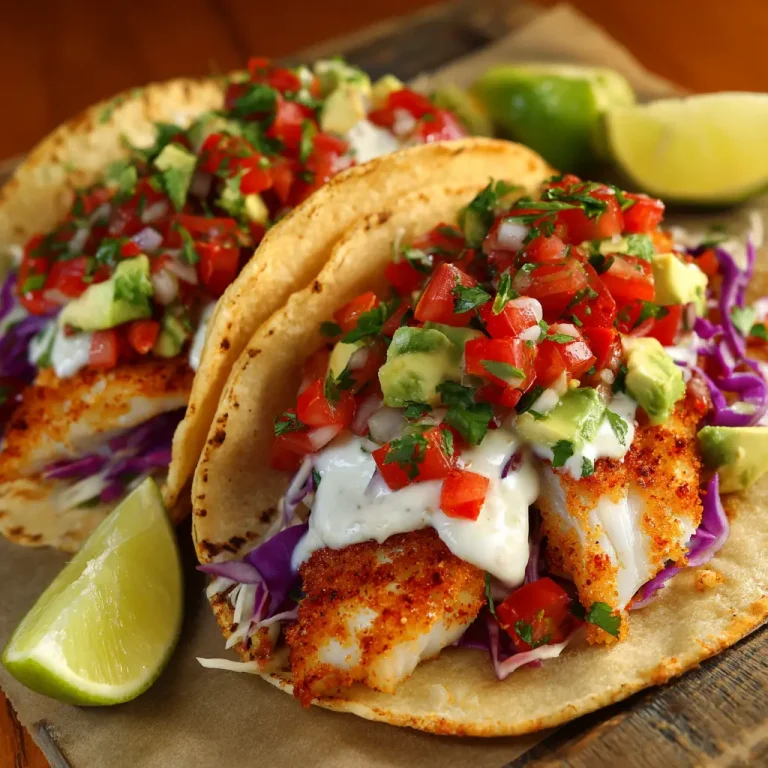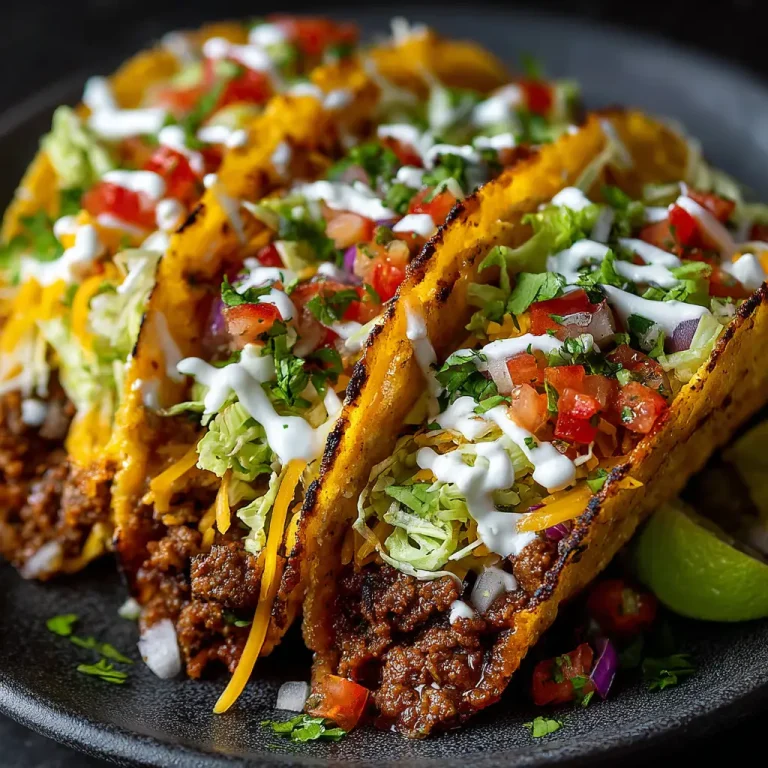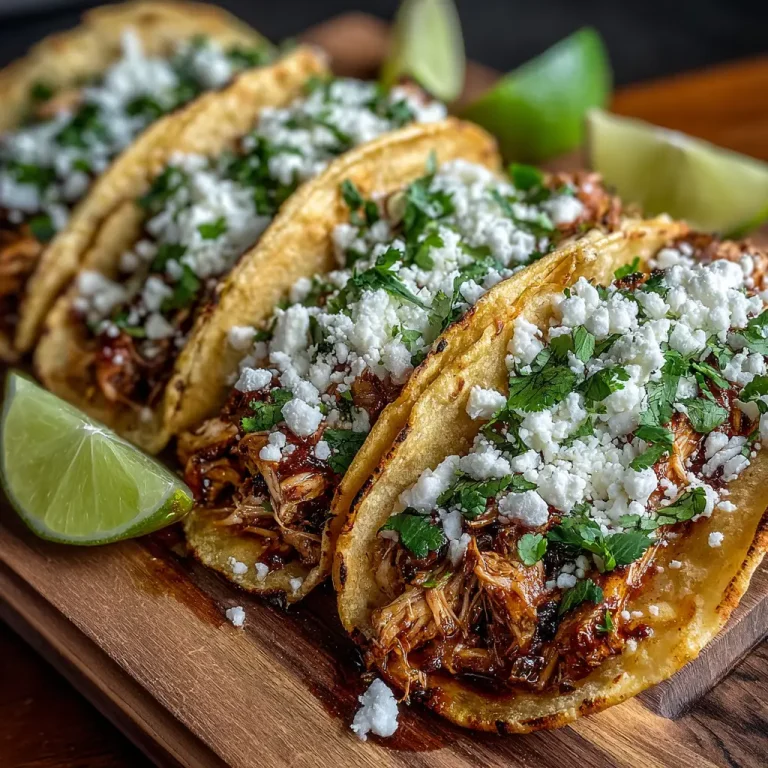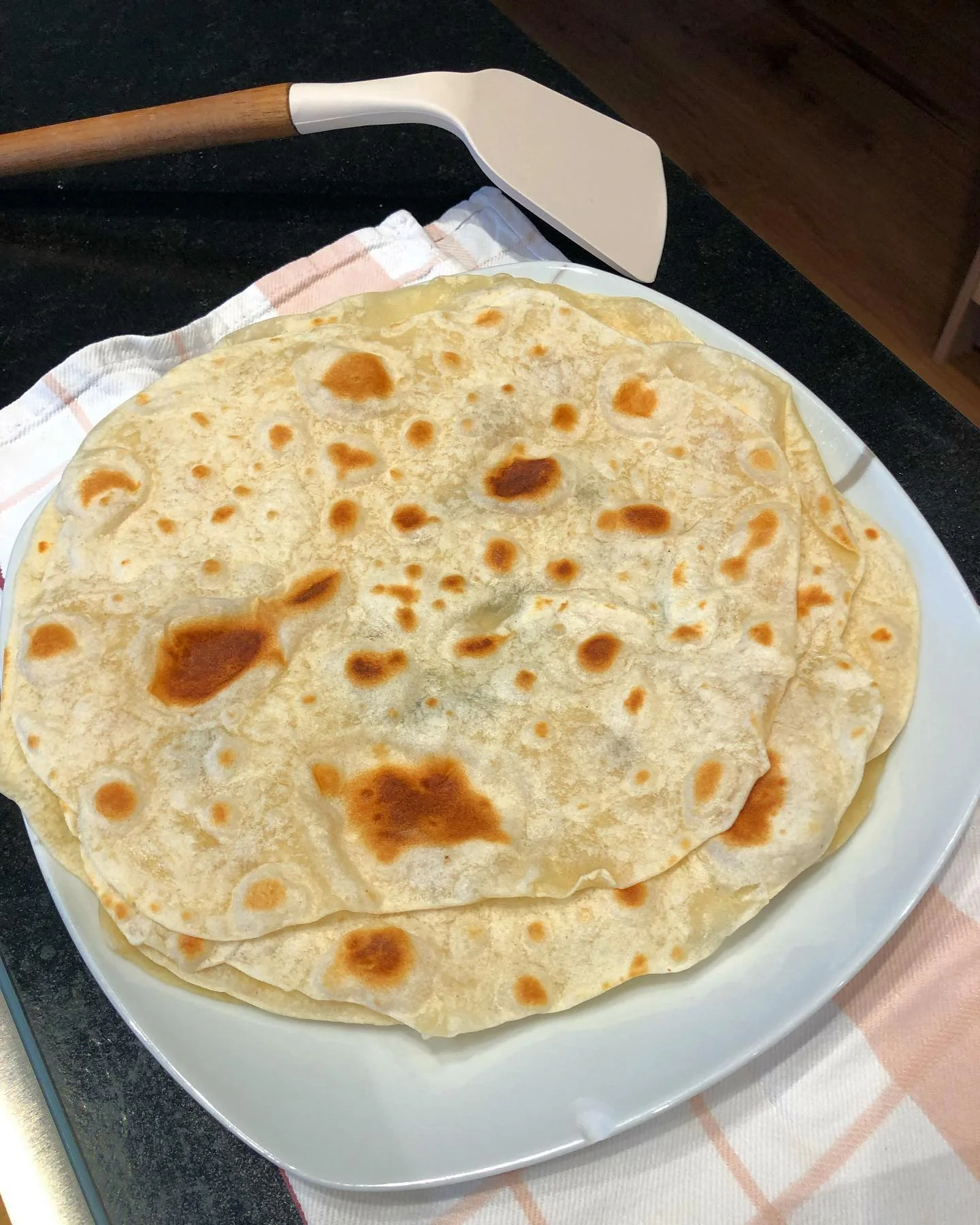
There is a specific kind of kitchen magic that happens when flour, fat, salt, and warm water turn into something you can stretch, puff, and tear apart with your hands. A Mexican flour tortilla recipe is deceptively simple on paper, yet the difference between a rubbery disc and a soft, blistered round comes down to technique, not luck.
Most people assume tortillas require special equipment, a tortilla press, or years of practice standing over a comal. None of that is true. What actually matters is resting the dough long enough for the gluten to relax, rolling with a light hand, and using a hot, dry skillet instead of oil.
This recipe strips the process down to four pantry staples and one skillet. No yeast, no proofing overnight, no fancy tools. Just a short knead, a short rest, and a fast cook that fills your kitchen with that unmistakable toasted-flour smell.
By the time you finish reading this, you will understand exactly why homemade tortillas taste nothing like store-bought ones, and how to make a stack that stays soft for days.
Ingredients You’ll Need
Four ingredients stand between you and a warm stack of tortillas that puff up like little pillows the second they hit the skillet, and chances are every one of them is already sitting in your pantry right now.
One of the things I love about this recipe is that it uses simple pantry ingredients. You probably already have most of them in your kitchen.
Base Ingredients
- 3 cups all-purpose flour
- 1 teaspoon salt
- 1 teaspoon baking powder
- 1/3 cup vegetable oil or lard
- 1 cup warm water
Optional Add-ins
- 1 tablespoon melted butter (for extra richness)
- 1/2 teaspoon garlic powder (for a savory twist)
- 1 tablespoon chopped fresh cilantro (finely minced, for color and flavor)
- 1/4 teaspoon ground cumin (for a subtle earthy note)
Step-by-Step Instructions
Mix the Dry Ingredients
In a large mixing bowl, whisk together the flour, salt, and baking powder until evenly combined. This step matters more than people realize, because unevenly distributed baking powder leads to tortillas that puff unevenly on the skillet. Use a fork or whisk rather than a spoon to aerate the mixture properly. If you are adding garlic powder or cumin, blend it in now so the flavor spreads through every bite rather than clumping in one spot. A well-mixed dry base is the quiet foundation of a soft tortilla.
Add the Fat
Pour in the vegetable oil or lard and use your fingers to work it into the flour mixture. Rub it between your palms until the texture resembles coarse, damp sand with no visible streaks of fat remaining. This coats the flour proteins and is exactly what keeps the final tortilla soft and pliable instead of tough. Do not rush this stage. Take about two full minutes to ensure the fat is evenly distributed before any liquid touches the bowl.
Bring the Dough Together
Slowly pour in the warm water while stirring with a fork, then switch to your hands once it becomes shaggy. Knead the dough directly in the bowl for about three minutes until it feels smooth, slightly tacky, but not sticky to the touch. If it clings to your fingers, dust in a small spoonful of flour at a time. The dough should feel similar to soft playdough, holding its shape without cracking at the edges.
Rest the Dough
Divide the dough into ten to twelve equal balls, cover them with a damp kitchen towel, and let them rest for fifteen minutes at room temperature. This is the single most skipped step, and also the most important one. Resting relaxes the gluten strands so the dough rolls out thin without springing back or tearing. Do not shortcut this rest, even if you are in a hurry, because it directly determines how easily your tortillas roll later.
Roll Them Thin
On a lightly floured surface, roll each ball into a thin circle roughly eight inches wide, rotating a quarter turn between rolls to keep the shape round rather than oval. Aim for even thickness throughout, since thicker spots will stay doughy while thinner edges crisp too fast. Stack rolled tortillas between sheets of parchment paper if you are working through the batch in advance, so they don’t dry out or stick together before cooking.
Cook on a Hot Skillet
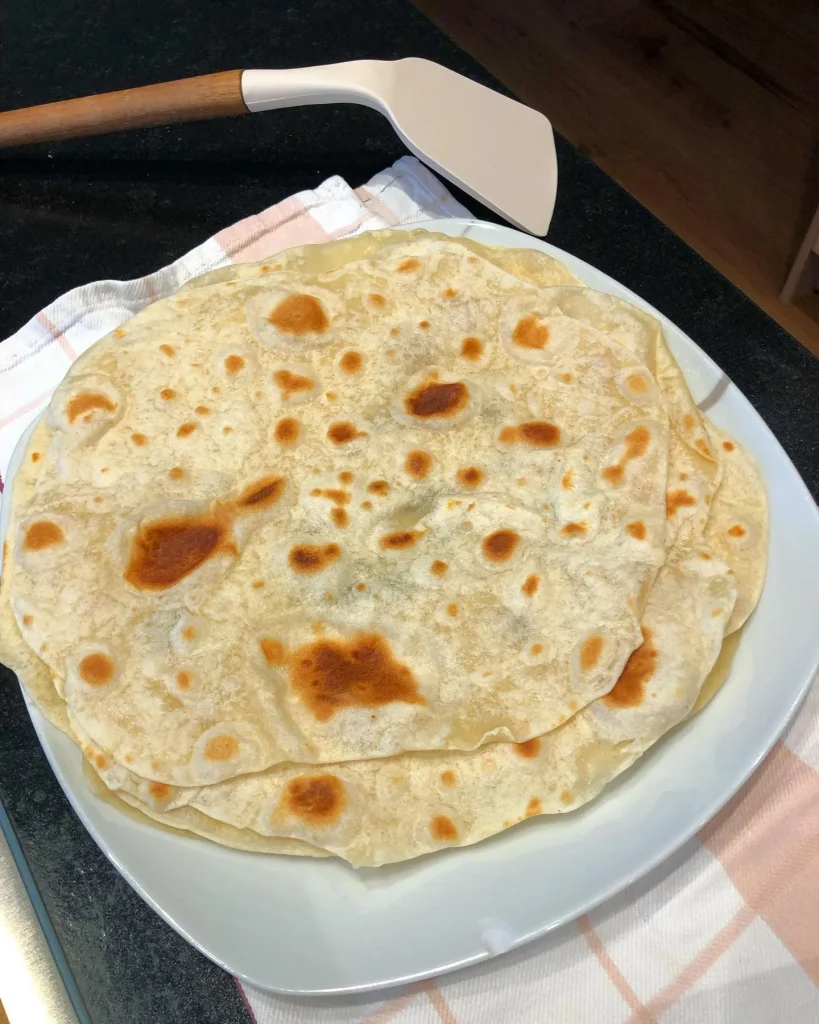
Heat a dry cast-iron or heavy skillet over medium-high heat with no oil. Place one tortilla in the pan and cook for thirty to forty-five seconds until small bubbles form and the underside shows light golden spots. Flip and cook the second side for another thirty seconds, pressing gently with a spatula to encourage even puffing. Stack cooked tortillas inside a clean kitchen towel immediately to trap steam, which keeps them soft as they cool.
Cook Time
Total
40 minutes
Prep
25 minutes
Bake
15 minutes
Servings
This recipe makes approximately 10 to 12 medium tortillas, depending on how thin you roll each one and how generously you portion the dough balls before resting. That range makes it flexible enough for a weeknight taco dinner or a larger weekend gathering without needing to double the recipe.
If you prefer smaller tortillas for tacos or larger ones for burritos and wraps, simply adjust the size of your dough balls before the resting stage, since the total dough weight stays the same either way.
A single batch comfortably feeds four people as a main course when paired with fillings, or six to eight people when served alongside other dishes as a bread accompaniment.
Common Mistakes in This Recipe
The most common mistake is skipping or shortening the resting period, which leaves the gluten tight and causes tortillas to shrink back the moment you try to roll them thin. Another frequent issue is adding too much flour during kneading, which produces a dense, dry dough instead of one that stays soft after cooking.
Many home cooks also crank the skillet heat too high, thinking it speeds up cooking, but this only burns the exterior before the inside finishes puffing properly. Rolling tortillas unevenly, with thick centers and thin edges, is another overlooked problem that leads to inconsistent texture across a single tortilla.
Finally, letting cooked tortillas sit uncovered on a plate causes them to dry out and turn brittle within minutes, undoing all the careful work that went into making them soft in the first place. Each of these mistakes is easy to make and just as easy to avoid once you know what to watch for.
Solutions to Common Mistakes
To fix rushed resting, set a visible timer for fifteen minutes and resist the urge to check early, since gluten relaxation genuinely needs that time to work. When dough feels dry or cracks while rolling, knead in a teaspoon of warm water at a time rather than adding more flour to compensate.
For heat control, keep the skillet at a steady medium-high setting and do a quick test tortilla first to calibrate timing before cooking the full batch. To roll evenly, apply consistent, light pressure from the center outward and rotate the dough regularly instead of pressing harder in one spot.
Lastly, always transfer cooked tortillas straight into a folded kitchen towel or an insulated tortilla warmer, which traps steam and keeps every tortilla soft until you are ready to serve the entire stack.
Nutritional Information (approx. per serving)
- Calories: 140
- Carbohydrates: 22g
- Protein: 3g
- Fat: 5g
- Fiber: 1g
- Sodium: 190mg
Homemade tortillas give you full control over sodium and fat content, something store-bought versions rarely offer since many commercial brands rely on preservatives and hydrogenated oils for shelf stability. Making your own means you decide exactly what goes into every bite.
Using a moderate amount of oil or lard keeps these tortillas satisfying without becoming heavy, making them a reasonable everyday bread option rather than an occasional treat. The baking powder also contributes a light, airy texture without relying on added sugars.
For those managing sodium intake, this recipe is easy to adjust by reducing the salt slightly without compromising structure or flavor significantly. The dough remains forgiving even with small nutritional tweaks.
Pairing these tortillas with protein-rich fillings like beans, eggs, or grilled chicken turns a simple bread into a more balanced, filling meal that supports steady energy throughout the day.
Storage Instructions
Once tortillas have cooled completely, stack them with small squares of parchment paper between each one to prevent sticking, then store them in an airtight container or resealable bag at room temperature for up to two days.
For longer storage, refrigerate the stack for up to one week, though tortillas will firm up slightly in the cold. A quick ten-second reheat on a hot, dry skillet restores their original softness almost instantly.
Freezing works exceptionally well for meal prep purposes. Place parchment-separated tortillas in a freezer-safe bag with the air pressed out, and they will keep well for up to three months without significant quality loss.
To reheat from frozen, let tortillas thaw at room temperature for about fifteen minutes, or warm them directly on a skillet for slightly longer than usual until they regain their soft, pliable texture completely.
Suggestions
These tortillas work beautifully as the base for tacos, but don’t overlook their potential in quesadillas, where the thin, pliable texture allows cheese to melt evenly without the tortilla turning soggy or tearing apart.
Try using slightly larger rolled portions to create burrito-sized wraps for meal-prepped lunches, since the sturdy yet soft texture holds fillings together without cracking, even after being refrigerated and reheated the next day.
Leftover tortillas that have gone slightly stale still have a purpose. Cut them into strips, fry or bake until crisp, and use them as a crunchy topping for soups, salads, or homemade tortilla casseroles.
For a flavor variation, brush warm tortillas lightly with melted butter and a pinch of sea salt right off the skillet, turning a simple side into something guests will specifically ask you to make again.
Seasonal Relevance
Warm, fresh tortillas feel especially comforting during cooler months, when a hot skillet in the kitchen doubles as a source of warmth alongside the meal itself, making this recipe a natural fit for autumn and winter cooking.
During summer, these tortillas pair perfectly with grilled vegetables, fresh salsas, and lighter fillings, turning taco nights into an easy, low-effort way to use seasonal produce without heating up the entire kitchen with an oven.
Around holiday gatherings, homemade tortillas add a personal, handmade touch to spreads that might otherwise rely entirely on store-bought bread options, and they travel well when wrapped and transported to potlucks or family dinners.
Because the ingredient list relies on shelf-stable pantry staples rather than fresh seasonal produce, this recipe remains equally reliable and accessible no matter the time of year, making it a dependable year-round kitchen skill.
Final Words
Making tortillas from scratch is one of those small kitchen skills that pays off far beyond the recipe itself, teaching you dough handling techniques that translate into flatbreads, dumplings, and countless other doughs down the line.
Once you experience the difference between a fresh, warm tortilla and a store-bought one that has been sitting on a shelf, it becomes genuinely difficult to go back, especially given how little time the process actually requires.
This recipe rewards attention to small details rather than complicated technique, meaning consistent, soft results are achievable on your very first attempt as long as you respect the resting time and heat control.
Keep this method in your regular rotation, adjust the optional add-ins to match your mood, and let a stack of warm, blistered tortillas become the reliable centerpiece of taco nights, wraps, and quick weekday meals.
Frequently Asked Questions
Can I make this dough ahead of time and cook the tortillas later?
Yes, the dough can be wrapped tightly and refrigerated for up to 24 hours before rolling. Let it come closer to room temperature first, since cold dough resists stretching and becomes harder to roll thin evenly.
Why do my tortillas turn out hard after they cool down?
Hardening usually happens when tortillas cool uncovered, letting moisture escape quickly. Always stack cooked tortillas inside a folded towel immediately, which traps steam and keeps the texture soft as they come down to temperature.
Is it possible to make this recipe without any added fat?
Reducing fat significantly changes texture, making tortillas noticeably chewier and less pliable. A small amount is recommended for softness, though you can substitute oil for lard, or vice versa, based on personal preference.
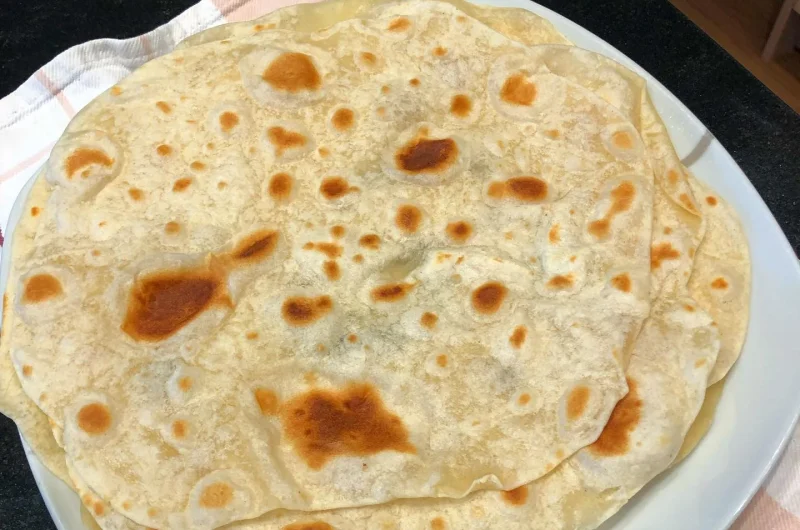
Soft Homemade Flour Tortillas in Under 30 Minutes
10
servings25
minutes15
minutes140
kcalSoft, blistered homemade flour tortillas made with just four pantry staples. No yeast, no press, no fuss — just a short rest and a hot skillet for restaurant-quality results in under 30 minutes.
Ingredients
Base Ingredients:
3 cups all-purpose flour
1 teaspoon salt
1 teaspoon baking powder
1/3 cup vegetable oil or lard
1 cup warm water
Optional Add-ins:
1 tablespoon melted butter
1/2 teaspoon garlic powder
1 tablespoon chopped fresh cilantro
1/4 teaspoon ground cumin
Directions
- Whisk together flour, salt, and baking powder in a large bowl.
- Rub in the oil or lard until the mixture resembles coarse, damp sand.
- Slowly add warm water, stir, then knead by hand for about 3 minutes until smooth.
- Divide dough into 10–12 balls, cover with a damp towel, and rest for 15 minutes.
- Roll each ball into a thin 8-inch circle, rotating a quarter turn between rolls.
- Heat a dry skillet over medium-high heat and cook each tortilla for 30–45 seconds per side until bubbled and lightly golden.
- Stack cooked tortillas in a clean kitchen towel immediately to keep them soft.
Recipe Video
Notes
- Do not skip the 15-minute rest — it prevents the dough from shrinking back while rolling.
- Keep the skillet dry; no oil is needed for cooking.
- Store at room temperature for up to 2 days, refrigerate for up to 1 week, or freeze for up to 3 months.
- Reheat on a hot skillet for a few seconds to restore softness.