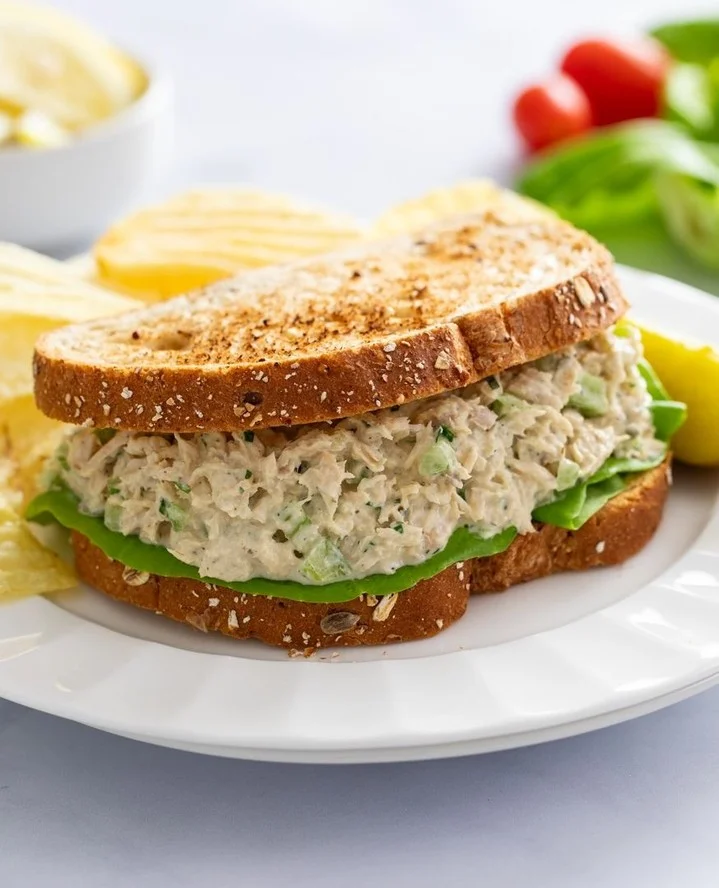
There’s a version of tuna salad that most of us grew up with, the kind that’s soggy, over-mayo’d, and honestly a little sad between two slices of bread. This isn’t that recipe. This is the version that actually earns its place on your lunch rotation, week after week, because it gets the fundamentals right.
The secret isn’t a fancy ingredient or a clever trick. It’s technique. Properly drained tuna, finely diced vegetables, and a dressing that balances richness with tang. Get those three things right and everything else falls into place.
What you end up with is a tuna salad that’s creamy without being heavy, protein-packed without tasting like a diet food, and sturdy enough to hold up on toasted sourdough, in a pita, or spooned straight over a bed of greens. It’s the kind of recipe that rewards a little patience in the prep and pays you back all week long.
Whether you’re meal-prepping lunches or just want something reliable for a quick dinner, this recipe delivers restaurant-quality results using ingredients already sitting in your pantry and fridge.
Ingredients You’ll Need
Great tuna salad isn’t about a long ingredient list, it’s about choosing the right ones and treating them with a little respect. This version leans on a handful of everyday staples, balanced just right so every bite tastes deliberate rather than thrown together.
One of the things I love about this recipe is that it uses simple pantry ingredients. You probably already have most of them in your kitchen.
Base Ingredients
- 2 cans (5 oz each) tuna, packed in water, well-drained
- 1/3 cup mayonnaise
- 2 tablespoons plain Greek yogurt
- 1/2 cup celery, finely diced
- 1/4 cup red onion, finely diced
- 1 tablespoon fresh lemon juice
- 1 teaspoon Dijon mustard
- 1/4 teaspoon black pepper
- 1/4 teaspoon salt (adjust to taste)
Optional Add-ins
- 2 tablespoons sweet pickle relish
- 1 hard-boiled egg, chopped
- 1 tablespoon fresh dill, chopped
- 1/4 cup halved grapes
- 1 tablespoon capers
- 1/4 teaspoon smoked paprika
Step-by-Step Instructions
Drain the Tuna Thoroughly
Open your cans of tuna and press the contents against the side of the can or through a fine-mesh strainer to remove as much liquid as possible. This step is non-negotiable. Excess moisture is the number one reason tuna salad turns watery and thin instead of creamy and cohesive. Take an extra thirty seconds here, pressing firmly with a fork or spoon. The drier your tuna starts out, the better texture you’ll end up with once the dressing is folded in.
Dice the Vegetables Finely
Using a sharp knife, finely dice the celery and red onion into small, even pieces, roughly the size of small peas or smaller. Larger chunks throw off the texture and make the salad harder to spread on bread. A fine dice also means the crunch integrates into every bite rather than announcing itself unpleasantly. This is genuinely where the character of the dish comes from, so don’t rush past it in favor of the dressing.
Make the Dressing
In a mixing bowl, whisk together the mayonnaise, Greek yogurt, lemon juice, Dijon mustard, salt, and pepper until fully smooth and combined. The yogurt lightens the richness of the mayo while adding a pleasant tang and a meaningful protein boost. Taste the dressing on its own before adding it to the tuna; it should taste slightly bold, since the fish will mellow it out once combined.
Combine Everything
Add the drained tuna, diced celery, and onion to the bowl with the dressing. Gently fold everything together using a spatula or fork, breaking up any large chunks of tuna as you go, but avoid overmixing into a paste. You want distinct flaky pieces of tuna, not a smooth spread. Fold in any optional add-ins now, such as relish, chopped egg, or dill, depending on the flavor profile you’re after.
Chill Before Serving
Cover the bowl and refrigerate the tuna salad for at least 20 to 30 minutes before serving. This resting period allows the flavors to meld and the dressing to fully coat every ingredient. Skipping this step isn’t the end of the world, but the flavor is noticeably flatter when served immediately. Give it the short rest; it makes a real difference.
Cook Time
Total:
30 minutes (including chill time)
Prep:
15 minutes
Bake:
Not applicable, no baking required
Servings
This recipe makes approximately 4 servings, based on roughly 3/4 cup of tuna salad per portion. That’s generous enough for a hearty sandwich filling or a satisfying topper over a green salad, without leaving you short on the second helping most people inevitably want.
If you’re prepping lunches for the week, this recipe scales cleanly. Doubling the ingredients gives you enough for eight portions, which stores well and holds its texture for several days when kept properly chilled in an airtight container.
Portion size really depends on how you’re serving it. Stuffed into a pita or piled onto thick sourdough, a single serving goes a long way thanks to the protein density from both the tuna and the Greek yogurt.
Common Mistakes in This Recipe
The most common misstep is skipping proper drainage of the tuna. Even a small amount of residual liquid dilutes the dressing and turns the final texture watery and loose rather than creamy and scoopable. Many home cooks assume a quick tip of the can is enough, but it rarely removes sufficient moisture.
Another frequent mistake is chopping the celery and onion too coarsely. Large pieces create an uneven bite and can make the salad difficult to spread evenly onto bread, leading to a sandwich that falls apart rather than holds together.
Overmixing is a subtler issue. Stirring too aggressively breaks the tuna down into a paste-like consistency, losing the pleasant flake that defines a well-made tuna salad and giving it an unappealingly mushy mouthfeel.
Finally, many recipes lean too heavily on mayonnaise alone, resulting in a salad that tastes greasy rather than balanced, without any of the brightness that lemon juice or mustard can bring to the dish.
Solutions to Common Mistakes
Solve the drainage issue by pressing the tuna firmly against a strainer or the inside of the can with the back of a spoon, applying real pressure rather than a gentle tilt. This single habit change dramatically improves the final texture.
For the vegetables, take the extra minute to dice celery and onion into small, uniform pieces. A finer dice distributes crunch evenly throughout the salad and helps it hold together neatly inside a sandwich or wrap.
To avoid overmixing, fold the ingredients gently with a spatula rather than stirring vigorously with a fork. Stop as soon as everything is coated; the tuna should still look flaky, not shredded into a uniform paste.
Balance the richness of mayonnaise by incorporating Greek yogurt and a splash of lemon juice. This combination lightens the dressing, adds tang, and prevents the greasy aftertaste that plain mayo-based versions often have.
Nutritional Information (approx. per serving)
- Calories: 240 kcal
- Protein: 22g
- Total Fat: 15g
- Saturated Fat: 2.5g
- Carbohydrates: 4g
- Fiber: 1g
- Sugar: 2g
- Sodium: 480mg
This tuna salad is a genuinely high-protein option, largely thanks to the combination of canned tuna and Greek yogurt, both of which support muscle maintenance and keep you satisfied for longer between meals. It’s a smart pick for anyone trying to eat more protein without turning every meal into a production.
The fat content here comes primarily from heart-healthy sources, especially if you’re using tuna packed in water rather than oil, keeping the dish lighter while still delivering the creaminess people want from a classic salad.
Because it’s low in carbohydrates, this recipe fits comfortably into a wide range of eating patterns, including lower-carb and higher-protein approaches, without requiring any special substitutions or adjustments.
The inclusion of celery and onion adds a small but meaningful boost of fiber and micronutrients, rounding out what might otherwise be a fairly one-note protein dish into something a bit more balanced.
Storage Instructions
Store leftover tuna salad in an airtight container in the refrigerator, where it will keep well for up to three to four days. Keeping it tightly sealed prevents it from absorbing other odors from your fridge, which canned tuna is particularly prone to doing.
Avoid freezing this recipe. The mayonnaise and yogurt-based dressing does not hold up well to freezing and thawing, and the texture becomes noticeably grainy and separated once defrosted, which isn’t worth the convenience trade-off.
If you’re prepping this in advance for the week, consider keeping the dressing separate from the tuna and vegetables until the day you plan to eat it. This keeps everything tasting fresher for longer and prevents the vegetables from softening prematurely.
Always use a clean spoon or utensil each time you scoop from the container. Introducing bacteria from a used utensil is one of the fastest ways to shorten the shelf life of any mayonnaise-based dish, tuna salad included.
Suggestions
For a sandwich that holds up all day, toast your bread first. A sturdy, toasted slice of sourdough or whole grain bread prevents the moisture from the tuna salad from making the bread soggy, especially useful if you’re packing lunch ahead of time.
If you’re avoiding bread altogether, this salad works beautifully spooned over a bed of mixed greens with a light vinaigrette on the side, or stuffed into halved avocados for a low-carb lunch that still feels indulgent.
Consider serving it alongside something with a bit of acidity or crunch, like pickled vegetables or a simple cucumber salad, to contrast the creaminess of the tuna and keep the overall meal from feeling heavy.
For entertaining, this salad also works well as a dip. Serve it with sturdy crackers or cucumber rounds as a lighter, protein-forward alternative to more traditional party dips.
Seasonal Relevance
Tuna salad is genuinely a year-round dish, but it shines particularly bright in the warmer months, when a cool, no-cook lunch feels far more appealing than anything that requires turning on the stove or oven.
During spring and summer, it pairs beautifully with fresh seasonal produce like ripe tomatoes, crisp cucumbers, and tender lettuce, all of which are at their best and add a welcome freshness alongside the richness of the dressing.
In cooler months, this recipe still holds its own as a quick, protein-rich lunch option, especially when packed into a warm pita or served alongside a bowl of soup for a heartier, more complete meal.
Because canned tuna is a pantry staple that doesn’t rely on seasonal availability, this recipe remains just as accessible and affordable in January as it is in July, making it a dependable go-to no matter the time of year.
Final Words
A great tuna salad doesn’t need to be complicated, but it does need attention paid to the right details. Properly draining the fish, dicing the vegetables with care, and balancing the dressing are what separate a forgettable version from one you’ll actually crave.
This recipe strikes that balance intentionally. It’s creamy without being greasy, tangy without overpowering the tuna itself, and sturdy enough to hold together whether you’re building a sandwich, filling a pita, or topping a salad.
It’s also a genuinely practical option for anyone trying to eat well without spending hours in the kitchen. A batch made on Sunday can carry you through several lunches, no extra effort required.
Give the technique here a real chance, particularly the draining and dicing steps, and I think you’ll notice the difference immediately compared to however you’ve made tuna salad in the past.
Frequently Asked Questions
Can I use canned salmon instead of tuna in this recipe?
Yes, canned salmon works well as a substitute and follows the same preparation method. Drain it thoroughly just like the tuna, and expect a slightly richer, more pronounced flavor in the finished salad.
Why does my tuna salad taste bland even after adding salt?
Bland tuna salad usually needs more acidity, not more salt. Try adding extra lemon juice or a splash of vinegar to brighten the flavors and help the other ingredients stand out more clearly.
Is it safe to leave tuna salad out at room temperature during a picnic?
No, tuna salad should not sit out for more than two hours, or one hour in hot weather above 90°F. Keep it in a cooler with ice packs to maintain food safety while traveling.
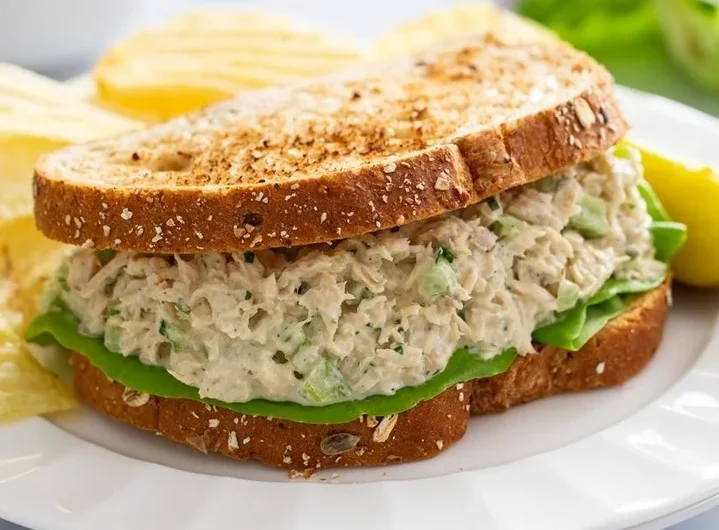
Creamy Tuna Salad for the Perfect Sandwich
4
servings15
minutes240
kcalA creamy, protein-packed tuna salad made with well-drained tuna, finely diced celery and onion, and a mayo-Greek yogurt dressing. Perfect for sandwiches, pitas, or spooning over fresh greens.
Ingredients
Base Ingredients:
2 cans (5 oz each) tuna, packed in water, well-drained
1/3 cup mayonnaise
2 tablespoons plain Greek yogurt
1/2 cup celery, finely diced
1/4 cup red onion, finely diced
1 tablespoon fresh lemon juice
1 teaspoon Dijon mustard
1/4 teaspoon black pepper
1/4 teaspoon salt (adjust to taste)
Optional Add-ins:
2 tablespoons sweet pickle relish
1 hard-boiled egg, chopped
1 tablespoon fresh dill, chopped
1/4 cup halved grapes
1 tablespoon capers
1/4 teaspoon smoked paprika
Directions
- Drain the canned tuna thoroughly, pressing firmly against a strainer or the side of the can to remove excess liquid.
- Finely dice the celery and red onion into small, even pieces.
- In a bowl, whisk together mayonnaise, Greek yogurt, lemon juice, Dijon mustard, salt, and pepper until smooth.
- Add the drained tuna, diced celery, and onion to the dressing.
- Gently fold everything together, breaking up large tuna chunks without overmixing.
- Fold in any optional add-ins, such as relish, chopped egg, or dill.
- Cover and refrigerate for 20 to 30 minutes before serving.
Recipe Video
Notes
- Avoid freezing; the dressing separates and turns grainy after thawing.
- Store in an airtight container in the fridge for up to 3–4 days.
- Toast bread before assembling sandwiches to prevent sogginess.
- Keep dressing separate from tuna and vegetables if meal-prepping in advance for best freshness.