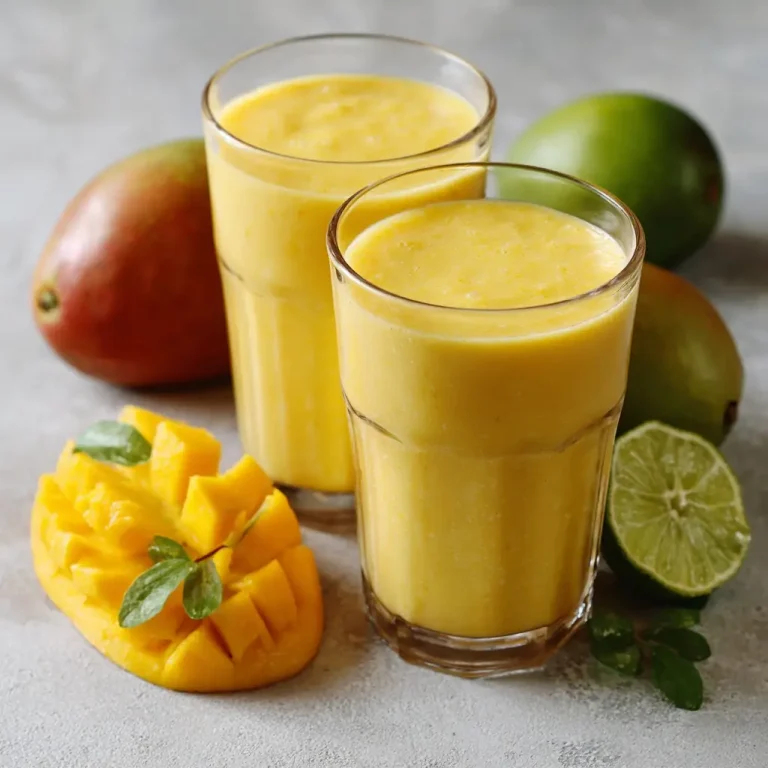
There is a particular kind of magic in watching two humble lemons transform into a jug of pale gold, creamy lemonade that tastes like it took a whole basket of fruit to make. This is not the thin, overly sweet version you remember from childhood stands. This is a restaurant-grade technique that coaxes maximum flavor and body from minimal ingredients.
The secret lies in how the lemons are prepared before they ever meet the water. Instead of simply squeezing juice and calling it a day, this method extracts oils from the peel and blends the pulp itself, creating a naturally creamy texture without a drop of dairy.
It is fast, forgiving, and endlessly adaptable. Whether you are cooling down after a summer afternoon or looking for a refreshing palate cleanser at a dinner party, this recipe delivers restaurant-quality results in under ten minutes.
Once you taste the difference whole-lemon blending makes, you will never go back to plain squeezed lemonade again. Let’s walk through exactly how to make it.
Ingredients You’ll Need
Great lemonade is not about a long shopping list; it is about knowing exactly which ingredients earn their place in the glass. This version proves that a handful of honest components, treated the right way, can outperform anything from a powdered mix or bottled concentrate. One of the things I love about this recipe is that it uses simple pantry ingredients. You probably already have most of them in your kitchen.
Base Ingredients
- 2 whole lemons (organic if possible, since the peel is used)
- 3/4 cup granulated sugar (adjust to taste)
- 4 cups cold water
- 1 cup ice cubes
- A pinch of salt
Optional Add-ins
- 6 to 8 fresh mint leaves
- 1/2 cup cold milk or coconut milk (for extra creaminess)
- 1 tablespoon honey (in place of sugar)
- 1/4 teaspoon vanilla extract
- A few slices of cucumber or strawberry for garnish
Step-by-Step Instructions
Prepare the Lemons
Wash both lemons thoroughly under warm water to remove any wax or residue, since the peel is going into the blender. Trim off the very ends and slice each lemon into quarters. Remove any visible seeds, as they can make the lemonade bitter if blended in. Leaving the pith and peel intact is intentional here; it is where much of the natural oils and body come from. Pat the lemon quarters dry with a clean towel before moving to the next step for the cleanest possible flavor extraction.
Blend the Base
Add the lemon quarters, sugar, a pinch of salt, and one cup of the cold water into a high-speed blender. Blend on high for about 45 seconds, or until the mixture looks smooth and slightly frothy with no large peel chunks remaining. This whole-fruit blending step is what gives the lemonade its signature creamy texture, since the natural pectin and oils emulsify right into the liquid. Stop and scrape down the sides once if needed to ensure everything is evenly incorporated before straining.
Strain the Mixture
Set a fine-mesh strainer over a large pitcher and pour the blended lemon mixture through it slowly. Use the back of a spoon to press down and extract as much liquid as possible while leaving behind the fibrous pulp and peel bits. This step is what separates silky lemonade from something gritty or overly bitter. Discard the solids once you have pressed out all the flavorful liquid, or save them for compost. The pitcher should now hold a concentrated, aromatic lemon base.
Dilute and Balance
Pour the remaining three cups of cold water into the pitcher with the strained lemon concentrate and stir well to combine. Taste the mixture at this stage and adjust sweetness, adding a touch more sugar or honey if you prefer it sweeter. If you are using milk or coconut milk for a creamier finish, whisk it in now until the color turns a soft, pale yellow. This is also the moment to stir in vanilla extract if using, for a rounder, dessert-like flavor profile.
Chill and Serve
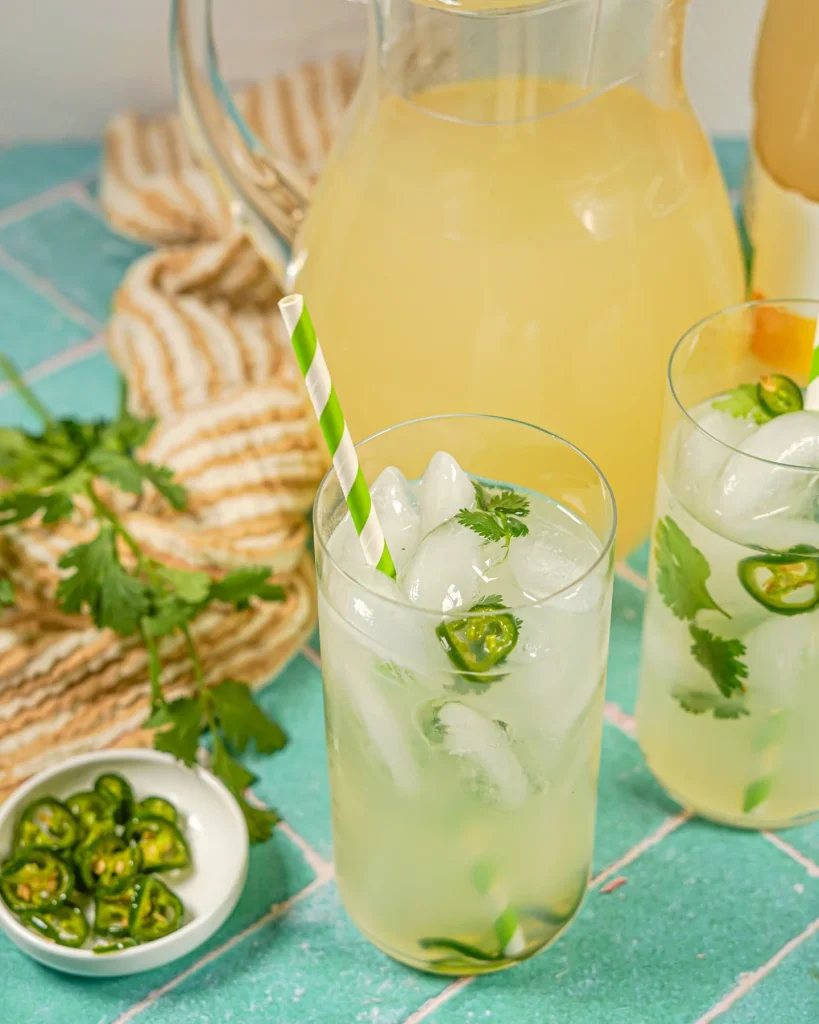
Refrigerate the pitcher for at least 20 minutes to let the flavors meld and the lemonade fully chill, though it can be served immediately over ice if you are short on time. Fill glasses generously with ice cubes before pouring the lemonade over the top. Garnish with fresh mint leaves, a thin lemon wheel, or cucumber slices for a refined presentation. Give the pitcher a quick stir before each pour, since natural settling can occur.
Cook Time
Total
15 minutes
Prep
10 minutes
Bake
Not applicable — this recipe requires no baking or cooking
Servings
This recipe makes approximately 4 to 5 servings, depending on glass size and how much ice you use per pour. Each serving comes out to roughly one generous cup of lemonade, which is enough to feel indulgent without being overly heavy or sweet.
If you are serving a larger crowd, the recipe scales beautifully. Simply double the lemons, sugar, and water in equal proportion, and blend in two batches if your blender jar is on the smaller side. The straining and mixing process remains exactly the same regardless of batch size.
For smaller households, the base concentrate also keeps well, so you can make a single batch and stretch it across several days by diluting fresh portions as needed rather than mixing the entire pitcher at once.
Common Mistakes in This Recipe
The most frequent mistake is leaving seeds in the lemon quarters before blending, which releases a sharp bitterness that no amount of sugar can fully mask. A close second is skipping the straining step entirely, resulting in a pulpy, fibrous texture that feels unfinished rather than refined.
Another common issue is adding all the water before tasting the concentrate, which makes it nearly impossible to correct sweetness or tartness afterward without diluting the whole batch further. Home cooks also tend to underestimate how much the flavor changes once chilled, judging sweetness while the lemonade is still warm from blending.
Using bottled lemon juice instead of whole fresh lemons is another shortcut that quietly ruins the final result, since it strips away the peel oils responsible for the creamy body. Finally, over-blending the lemons for too long can turn the pith bitter, undermining an otherwise perfectly balanced recipe.
Solutions to Common Mistakes
Always deseed lemon quarters carefully before they go into the blender; a quick visual check takes seconds and prevents bitterness from ever entering the mixture. Never skip straining, even if you own a powerful blender, since a fine-mesh sieve is what delivers that smooth, café-style finish every time.
Build your lemonade in stages: blend, strain, then add water gradually while tasting as you go, adjusting sugar before the final cup of water goes in. This gives you full control over the final balance rather than guessing at the start.
Chill a small spoonful before making final sweetness adjustments, since cold temperatures mute sweetness perception slightly. Stick to fresh, whole lemons rather than bottled juice, and limit blending time to under a minute to protect the peel’s delicate oils from turning bitter.
Nutritional Information (approx. per serving)
- Calories: 95 kcal
- Carbohydrates: 24g
- Sugars: 22g
- Protein: 0.5g
- Fat: 0.2g
- Vitamin C: 30% of daily value
- Potassium: 60mg
- Sodium: 15mg
Beyond its refreshing taste, this lemonade delivers a genuine dose of vitamin C from using whole lemons rather than diluted concentrate, supporting immune function and healthy skin. The natural citric acid also aids digestion, making this a smart drink to serve alongside heavier meals.
Because the recipe skips artificial flavoring and coloring entirely, it remains a cleaner alternative to store-bought lemonades that often rely on preservatives. The optional coconut milk variation adds a small boost of healthy fats without introducing dairy, which is useful for those managing lactose sensitivity.
Using real sugar in a controlled, measured amount also means you can adjust the recipe for lower-sugar diets simply by substituting honey or a natural sweetener of choice. This flexibility makes the drink suitable for a wide range of dietary preferences without compromising on flavor.
Staying hydrated with a naturally flavored beverage like this, instead of sugary sodas or artificially sweetened drinks, supports better daily hydration habits, particularly during warmer months when fluid loss increases.
Storage Instructions
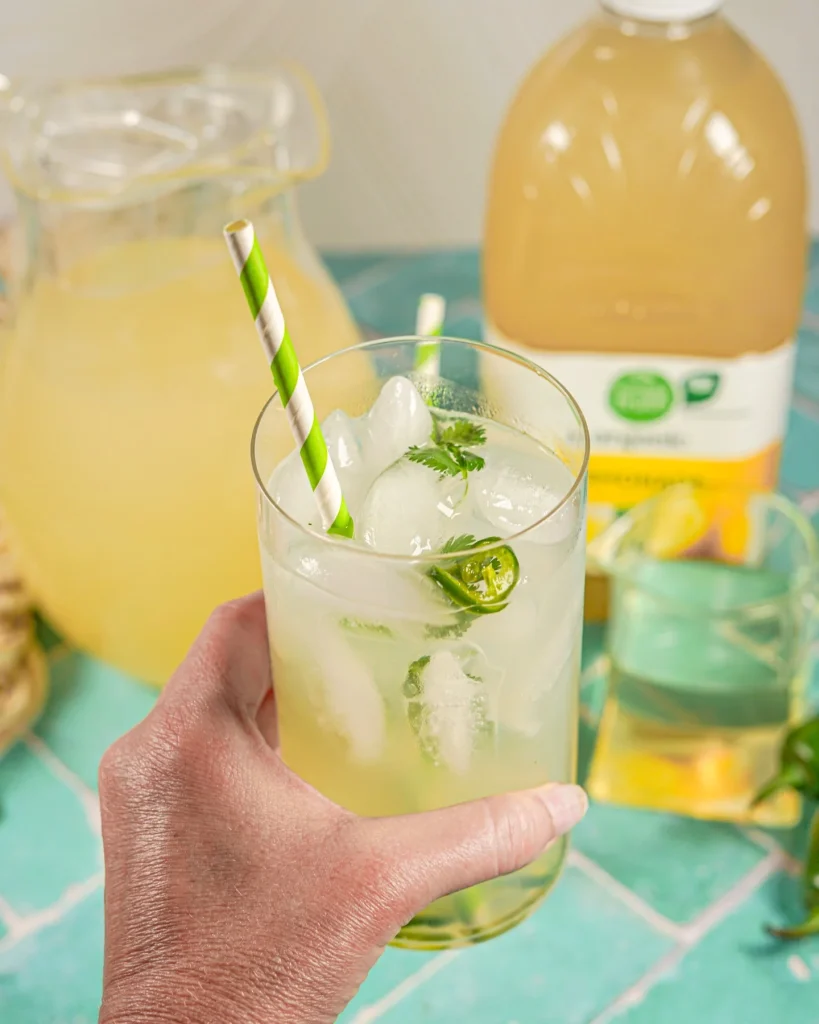
This lemonade keeps beautifully in the refrigerator for up to 4 days when stored in a sealed glass pitcher or airtight container. Glass is preferable to plastic here, since it does not absorb citrus odors or affect the drink’s clean flavor over time.
Because the recipe uses whole blended lemon rather than clear juice alone, some natural separation may occur after a day or two in the fridge. This is completely normal and simply requires a good stir before serving rather than shaking, which can introduce excess air and dull the texture.
If you added milk or coconut milk as an optional add-in, plan to consume the lemonade within 48 hours for best freshness and food safety, since dairy-based additions shorten the shelf life compared to the plain version.
Freezing is not recommended for the finished lemonade, as the texture becomes watery upon thawing. Instead, freeze the strained concentrate alone in ice cube trays and dilute fresh portions with cold water as needed.
Suggestions
For an elevated presentation, rim glasses with a thin layer of sugar or a pinch of sea salt before pouring, adding a subtle textural contrast with every sip. Fresh herbs beyond mint, such as basil or rosemary, also pair surprisingly well and add an aromatic twist worth experimenting with.
This lemonade doubles as an excellent mixer for sparkling water, turning it into a lighter, fizzy version perfect for warm afternoons. A splash of ginger juice or a few thin ginger slices steeped briefly in the concentrate can add gentle warmth and complexity to the final drink.
For entertaining, serve it in a large glass dispenser with lemon wheels and mint sprigs floating visibly, which turns a simple homemade drink into a striking table centerpiece. It also pairs wonderfully alongside light appetizers, grilled seafood, or brunch spreads where its acidity cuts through richer flavors.
If you enjoy experimenting, try swapping half the sugar for a natural sweetener like maple syrup for a subtly different depth of flavor that still keeps the drink refreshingly light.
Seasonal Relevance
While lemonade is often thought of as a strictly summer drink, this creamy version genuinely earns a spot at the table year-round. During peak summer months, it works as an instant cooling remedy, best served heavily iced and slightly more diluted for maximum refreshment on the hottest days.
In cooler months, the same base can be gently warmed rather than chilled, transforming into a soothing citrus tonic that feels comforting without needing any additional spices. This versatility makes it a recipe worth keeping in regular rotation rather than shelving after summer ends.
Around the holidays, a splash of sparkling water and a few cranberries dropped into each glass turns this humble lemonade into a festive, eye-catching mocktail suitable for gatherings. Its bright color and fresh flavor also make it a popular choice at spring brunches and garden parties.
Because lemons are available in most grocery stores throughout the year, there is truly no off-season for this recipe, making it a dependable addition to any home cook’s rotating drink menu.
Final Words
What makes this lemonade recipe stand out is not complexity, but precision. Two lemons, treated with care through whole-fruit blending, deliver a depth of flavor and creaminess that most people assume requires far more effort or ingredients than it actually does.
It is the kind of recipe that rewards attention to small details: deseeding carefully, straining thoroughly, and tasting as you build rather than rushing to the final pour. Each of those small steps compounds into a noticeably better final glass.
Once you make it this way, it becomes difficult to go back to store-bought versions or thin, one-note lemonades. The texture alone sets it apart, and the fact that it comes together in under fifteen minutes makes it an easy recipe to return to often.
Keep this one in your regular rotation, adjust it to your taste over time, and let it become the lemonade recipe you are known for among family and friends.
Frequently Asked Questions
Can I make this lemonade without a blender?
A blender is what creates the creamy texture by incorporating the whole lemon, so a food processor can work as a substitute. Without either, you can juice the lemons and finely zest the peel separately, though the texture will be noticeably thinner and less rich.
Why does my lemonade taste bitter even after straining?
Bitterness usually comes from over-blending, which breaks down the white pith too much, or from leftover seeds. Blend for under a minute, deseed thoroughly beforehand, and strain promptly rather than letting the mixture sit before pressing it through the sieve.
Is this recipe suitable for kids?
Yes, this lemonade is naturally kid-friendly since it contains no caffeine, alcohol, or artificial ingredients. You can reduce the sugar slightly or add a bit more water to make it milder, and skip any optional add-ins like mint if preferred for younger palates.
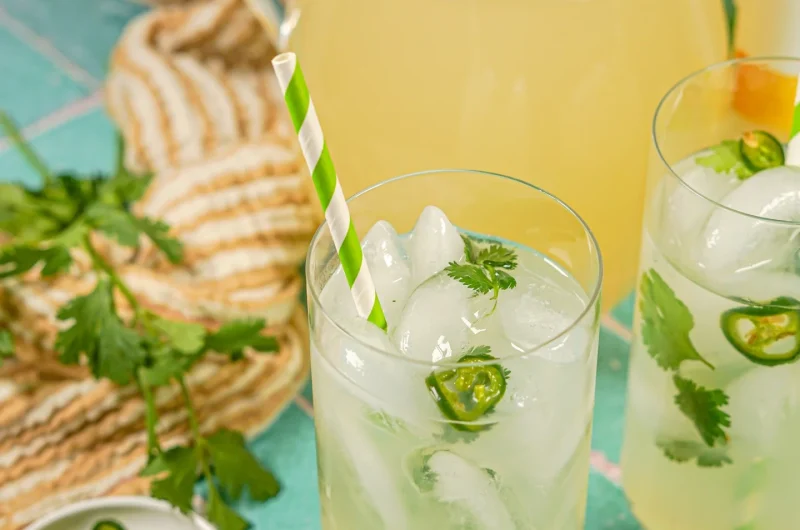
Fresh and Creamy Lemonade Made with Just 2 Lemons
4
servings10
minutes95
kcalA silky, naturally creamy lemonade made from just two whole lemons blended peel and all. Refreshing, dairy-free, and ready in under fifteen minutes with zero cooking involved.
Ingredients
Base Ingredients
2 whole lemons (organic if possible, since the peel is used)
3/4 cup granulated sugar (adjust to taste)
4 cups cold water
1 cup ice cubes
A pinch of salt
Optional Add-ins
6 to 8 fresh mint leaves
1/2 cup cold milk or coconut milk (for extra creaminess)
1 tablespoon honey (in place of sugar)
1/4 teaspoon vanilla extract
A few slices of cucumber or strawberry for garnish
Directions
- Wash the lemons thoroughly, trim the ends, and slice into quarters, removing any visible seeds.
- Add the lemon quarters, sugar, salt, and 1 cup of cold water to a blender; blend on high for about 45 seconds until smooth.
- Strain the blended mixture through a fine-mesh sieve into a pitcher, pressing to extract all the liquid.
- Stir in the remaining 3 cups of cold water, tasting and adjusting sweetness as needed.
- Whisk in milk or vanilla if using, then chill for at least 20 minutes.
- Serve over ice, garnished with mint, lemon wheels, or cucumber slices.
Recipe Video
Notes
- Deseed the lemons carefully to avoid bitterness.
- Do not skip straining — it’s key to the creamy, smooth texture.
- Taste before adding all the water to control sweetness accurately.
- Store in a sealed glass pitcher for up to 4 days; stir before serving.
- If using dairy or coconut milk, consume within 48 hours.