There is something quietly luxurious about a dessert that fits in the palm of your hand yet delivers the full, velvety richness of a classic cheesecake. Mini cheesecakes have earned their place in home kitchens because they solve a very real problem: portion control without sacrificing indulgence.
Unlike a full-sized cheesecake that demands a springform pan, a water bath, and nerves of steel, these individual versions bake faster, chill quicker, and forgive small mistakes far more easily. They are the dessert equivalent of a sure thing.
This recipe focuses on getting that signature dense yet creamy texture right every single time, with a buttery graham base that holds its shape and a filling that bakes smooth, never cracked. No fancy equipment, no complicated water bath setup, and no guesswork.
Whether you are prepping for a holiday dessert table, a birthday gathering, or simply craving something sweet without committing to an entire cake, this recipe delivers bakery-quality results from your own kitchen. Let’s get into exactly what you need and how to make it happen.
Ingredients You’ll Need
Great cheesecake has always been about ratios, not rare ingredients, and this recipe proves that a handful of humble staples can produce something genuinely impressive.
One of the things I love about this recipe is that it uses simple pantry ingredients. You probably already have most of them in your kitchen.
Base Ingredients
- 1 ½ cups graham cracker crumbs
- ⅓ cup unsalted butter, melted
- 2 tablespoons granulated sugar
- 16 oz cream cheese, softened
- ½ cup granulated sugar
- 2 large eggs
- 1 teaspoon vanilla extract
- ¼ cup sour cream
- 1 tablespoon all-purpose flour
Optional Add-ins
- 1 tablespoon lemon zest
- ¼ cup mini chocolate chips
- 2 tablespoons fruit preserves
- ½ teaspoon ground cinnamon
- 2 tablespoons caramel sauce
Step-by-Step Instructions
Prepare the Pan and Base
Line a standard 12-cup muffin tin with paper liners for easy removal later. In a bowl, combine graham cracker crumbs, melted butter, and sugar until the mixture resembles wet sand. Press about a tablespoon of this mixture firmly into the bottom of each liner using the back of a spoon or a flat-bottomed glass. Bake at 325°F for 5 minutes to set the crust before adding the filling, then let it cool slightly on the counter.
Make the Cheesecake Filling
Beat softened cream cheese until completely smooth with no lumps, about 2 minutes on medium speed. Add sugar and continue beating until fully incorporated. Mix in eggs one at a time, blending just until combined after each addition. Stir in vanilla, sour cream, and flour on low speed. Avoid overmixing here, since too much air in the batter is what causes cracks and sunken centers once the cheesecakes cool down.
Fill and Bake
Divide the filling evenly among the prepared crusts, filling each liner about three-quarters full to allow room for slight rising. Tap the muffin tin gently on the counter to release trapped air bubbles. Bake at 325°F for 18 to 20 minutes, until the edges look set but the centers still have a slight jiggle. Overbaking dries out the texture, so pull them the moment that subtle wobble appears.
Cool and Chill
Turn off the oven and let the cheesecakes sit inside with the door slightly ajar for 10 minutes. This gradual cooling prevents sudden temperature shock, which is a leading cause of surface cracking. Transfer the pan to a wire rack and cool completely to room temperature. Once cooled, refrigerate for at least 4 hours, though overnight chilling produces the firmest, creamiest texture and the cleanest slice.
Cook Time
Total: 4 hours 35 minutes (includes chilling)
Prep: 15 minutes
Bake: 20 minutes
Servings
This recipe makes approximately 12 mini cheesecakes, making it ideal for gatherings, potlucks, or simply having a controlled portion of dessert on hand throughout the week. Each one is generously sized for a single serving without feeling excessive.
The muffin-tin format means every guest gets their own individually portioned treat, which also makes serving effortless at parties since there is no cutting, plating, or crumbling involved.
If you are feeding a larger crowd, this recipe doubles cleanly using two muffin tins baked in batches, so scaling up for holidays or celebrations requires no recalculating of ratios or bake times.
Common Mistakes in This Recipe
The most frequent issue bakers run into is overbeating the batter once the eggs are added. This incorporates excess air, which expands in the oven and then collapses as the cheesecakes cool, leaving cracked or sunken tops that look unappealing despite tasting fine.
Another common misstep is using cream cheese straight from the refrigerator. Cold cream cheese refuses to blend smoothly, leaving small lumps throughout the filling that never fully disappear, even with extended mixing time.
Many bakers also pull the cheesecakes too late, waiting for the centers to look completely firm before removing them from the oven. This nearly always results in a dry, dense texture rather than the creamy consistency this dessert is known for.
Finally, skipping the chilling time or rushing it in the freezer often ruins the final texture, leaving the filling too soft to hold its shape when unwrapped from the liner.
Solutions to Common Mistakes
To avoid overmixing, switch to low speed the moment eggs are added and stop as soon as the batter looks uniform. There is no benefit to extended mixing once ingredients are combined, so resist the urge to keep the mixer running.
Always set cream cheese out at least 30 minutes before baking, or up to an hour in a cooler kitchen. Softened cream cheese blends into a silky base almost immediately, eliminating lumps without overworking the mixture.
Trust the jiggle test rather than visual firmness alone. The centers should wobble slightly like set gelatin when the pan is nudged; they will continue firming up as they cool, so pulling them early is the safer choice.
Always chill in the refrigerator, never the freezer, and commit to the full recommended time. Patience here directly determines whether your cheesecakes slice cleanly or fall apart.
Nutritional Information (approx. per serving)
- Calories: 210
- Protein: 4g
- Carbohydrates: 16g
- Fat: 15g
- Saturated Fat: 8g
- Sugar: 12g
- Sodium: 150mg
Despite being a dessert, this recipe offers a moderate protein contribution per serving thanks to the cream cheese and eggs, which help balance the natural sugars in the filling.
Portion control is built directly into the format, since each mini cheesecake is pre-measured, making it far easier to enjoy a treat without overindulging compared to slicing from a full-sized cake.
Using full-fat sour cream and real vanilla extract, rather than artificial flavoring, means the flavor payoff per bite is higher, which often leads to genuine satisfaction with a smaller portion.
For those managing dietary preferences, this base recipe adapts well to reduced-sugar or gluten-free graham cracker substitutes without compromising the structural integrity of the crust or filling.
Storage Instructions
Store mini cheesecakes in an airtight container in the refrigerator for up to 5 days. Their individual portions make them especially convenient for grabbing a single serving without disturbing the rest of the batch.
For longer storage, these freeze exceptionally well. Wrap each cheesecake individually in plastic wrap, then place them in a freezer-safe bag or container for up to 2 months without noticeable texture loss.
Thaw frozen cheesecakes in the refrigerator overnight rather than at room temperature. Slow thawing preserves the creamy consistency and prevents the condensation that can make the crust soggy.
Avoid stacking cheesecakes directly on top of one another in storage, since the toppings and delicate surface can smudge or stick. Use parchment paper between layers if space is limited.
Suggestions
Top each cheesecake just before serving rather than in advance, using fresh berries, a light dusting of powdered sugar, or a drizzle of caramel for visual appeal and added flavor contrast.
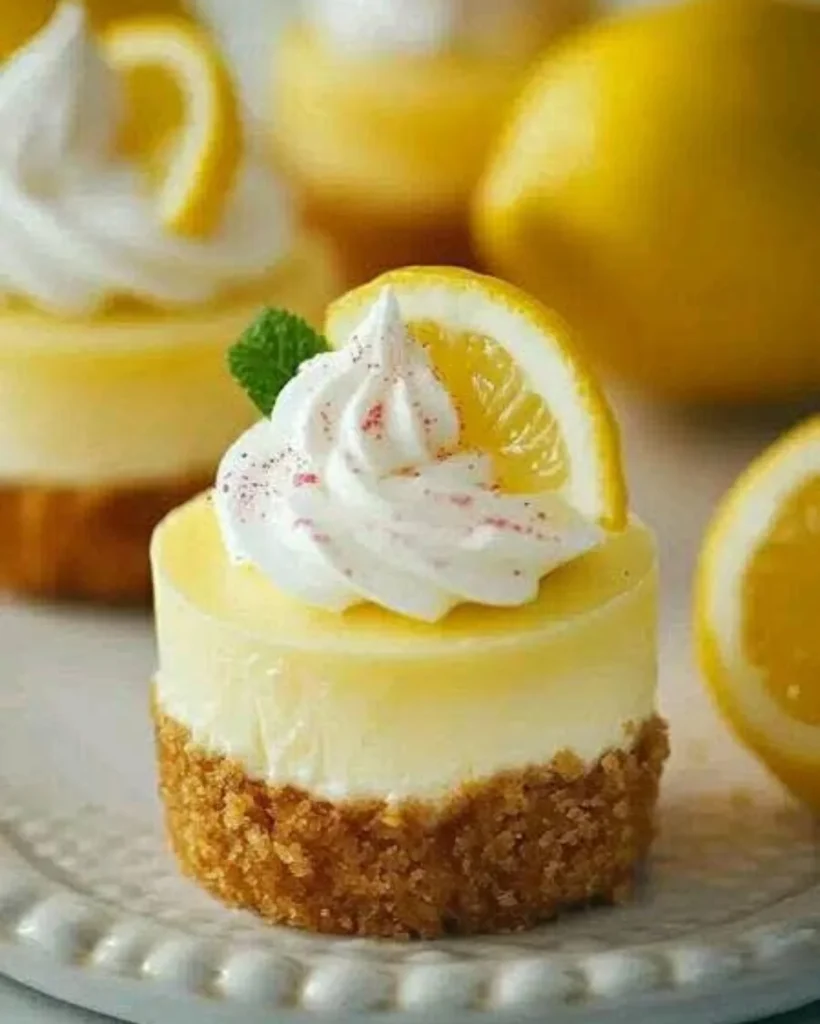
For a more indulgent presentation, pipe a small swirl of lightly sweetened whipped cream on top and finish with a single raspberry or a curl of chocolate for an elegant, bakery-style finish.
These mini cheesecakes also pair beautifully with a hot cup of coffee or a dessert wine, making them a strong choice for dinner parties where a lighter, individually portioned dessert is preferred over cake.
Consider swapping the graham cracker base for crushed digestive biscuits, chocolate cookies, or gingersnaps depending on the season or flavor profile you are aiming to build around the creamy filling.
Seasonal Relevance
Mini cheesecakes are remarkably versatile across seasons, which is part of why they remain a consistently searched and requested dessert throughout the year rather than being tied to one specific holiday.
In warmer months, topping them with fresh seasonal berries like strawberries or blueberries creates a lighter, refreshing dessert that feels appropriate for outdoor gatherings, picnics, and summer celebrations.
During colder months, swapping in spiced toppings such as cinnamon-sugar apples, pumpkin puree swirls, or crushed peppermint aligns the same base recipe with holiday flavors without altering the core technique.
This adaptability makes the recipe a reliable year-round addition to any home baker’s rotation, since the base formula stays constant while the finishing touches shift with the calendar.
Final Words
Mini cheesecakes strike a rare balance between impressive presentation and genuinely simple execution, which is exactly why they deserve a permanent spot in your dessert rotation rather than a one-time bake.
The techniques covered here, from proper mixing speed to the jiggle test for doneness, apply to cheesecake baking more broadly, meaning this recipe also builds skills transferable to future baking projects.
What makes this version stand out is its reliability. Following the steps as written consistently produces a smooth, crack-free filling and a crisp base, without requiring specialty equipment or advanced technique.
Give yourself the full chilling time, resist the urge to overbake, and you will end up with a dessert that looks and tastes like it came from a professional bakery counter.
Frequently Asked Questions
Can I make these mini cheesecakes without a muffin tin?
Yes, silicone molds or small ramekins work well as substitutes. Just adjust bake time slightly, checking a few minutes early, since different materials conduct heat differently and may affect how quickly the centers set.
Why did my mini cheesecakes sink in the middle after cooling?
This usually happens from overbaking or rapid temperature changes. Allowing the cheesecakes to cool gradually in the turned-off oven, rather than removing them immediately, helps prevent the dramatic sinking often seen with cracked tops.
Can I use flavored cream cheese instead of plain?
Yes, flavored cream cheese works, though it slightly alters sweetness and texture balance. Reduce the added sugar slightly to compensate, and choose milder flavors so the base cheesecake taste isn’t overwhelmed by competing ingredients.
Creamy Mini Cheesecakes Made for Easy Sweet Treats
12
servings15
minutes20
minutes210
kcalCreamy, individually portioned mini cheesecakes with a buttery graham cracker base and a smooth, crack-free filling. A simple, no-fuss dessert perfect for parties, holidays, or everyday sweet cravings.
Ingredients
Base Ingredients:
1 ½ cups graham cracker crumbs
⅓ cup unsalted butter, melted
2 tablespoons granulated sugar
16 oz cream cheese, softened
½ cup granulated sugar
2 large eggs
1 teaspoon vanilla extract
¼ cup sour cream
1 tablespoon all-purpose flour
Optional Add-ins:
1 tablespoon lemon zest
¼ cup mini chocolate chips
2 tablespoons fruit preserves
½ teaspoon ground cinnamon
2 tablespoons caramel sauce
Directions
- Line a 12-cup muffin tin with paper liners.
- Mix graham cracker crumbs, melted butter, and sugar until it resembles wet sand.
- Press about a tablespoon of the mixture into each liner to form the base.
- Bake at 325°F for 5 minutes, then let cool slightly.
- Beat softened cream cheese until smooth, about 2 minutes.
- Add sugar and beat until fully incorporated.
- Mix in eggs one at a time on low speed.
- Stir in vanilla, sour cream, and flour until just combined.
- Divide filling evenly among the crusts, filling each about three-quarters full.
- Tap the pan gently on the counter to release air bubbles.
- Bake at 325°F for 18 to 20 minutes, until edges are set and centers slightly jiggle.
- Turn off the oven and let cheesecakes rest inside with the door ajar for 10 minutes.
- Cool completely on a wire rack.
- Refrigerate for at least 4 hours, or overnight for best texture.
Recipe Video
Notes
- Use room-temperature cream cheese to avoid lumps in the filling.
- Do not overmix once eggs are added, as this causes cracking.
- Rely on the jiggle test rather than visual firmness to judge doneness.
- Chill in the refrigerator, not the freezer, for the correct texture.
- Store in an airtight container in the fridge for up to 5 days.
- Freezes well for up to 2 months when wrapped individually.