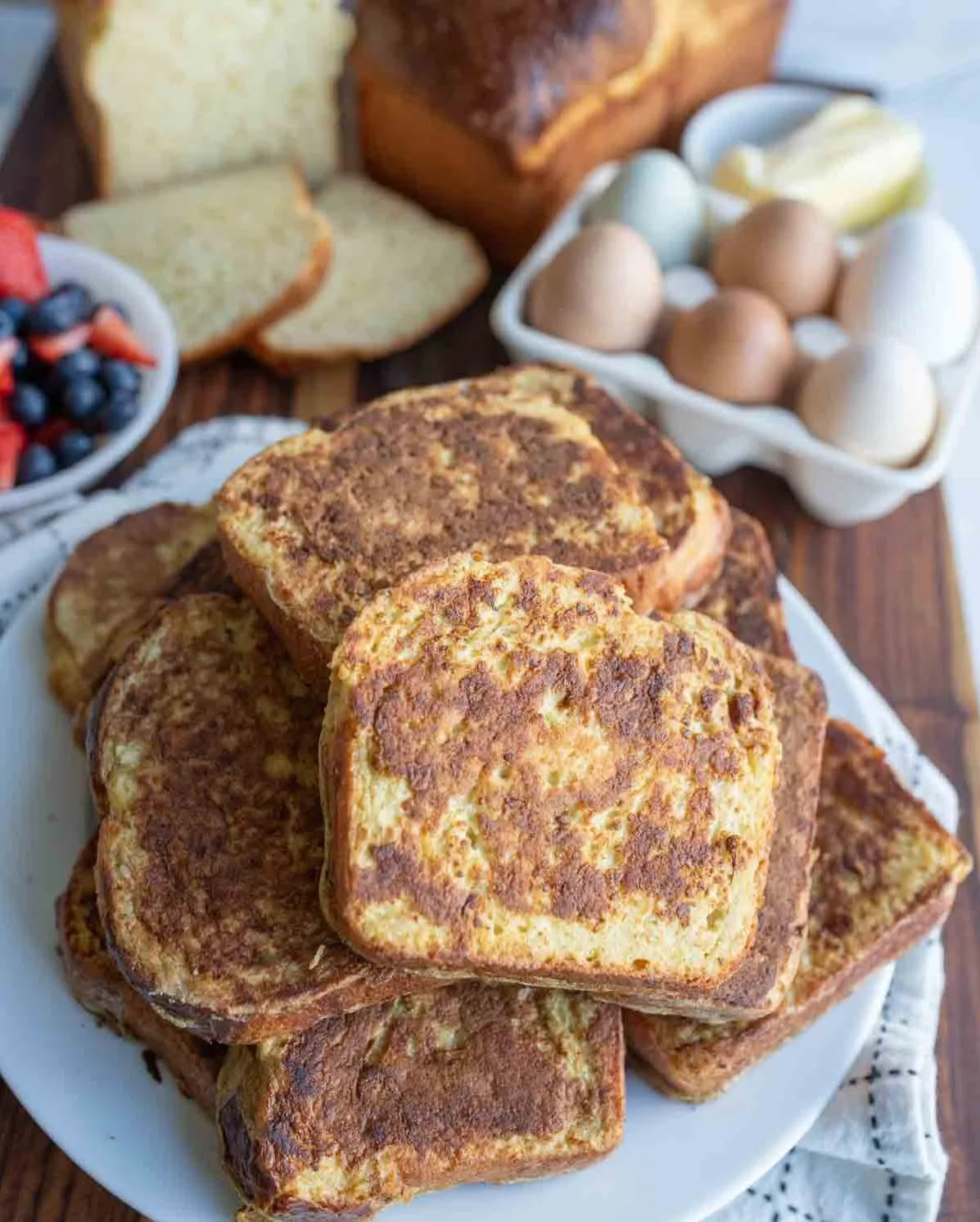
There is a reason French toast has survived centuries of breakfast trends: when made correctly, it delivers something no other morning dish can — a crisp, buttery exterior giving way to a soft, custard-soaked center. Most versions fall short because they rush the soak or overheat the pan, leaving you with soggy middles or dry, rubbery edges.
This recipe fixes that. It uses a precise custard ratio, the right bread, and a controlled cooking temperature to guarantee that golden crust every single time. You don’t need culinary school training, just a few minutes of patience and attention to detail.
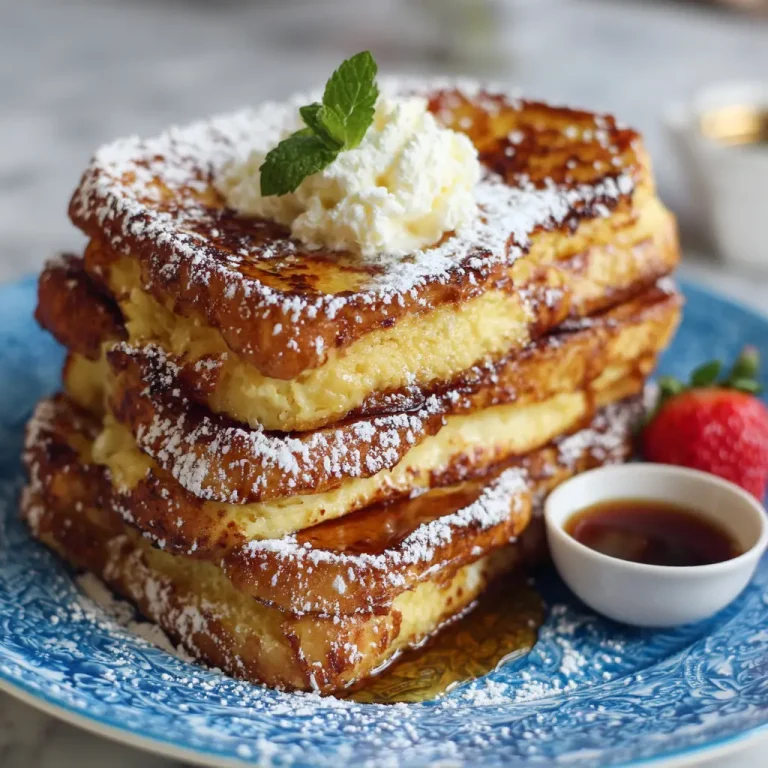
What makes this version stand out is the balance. It’s rich enough to feel indulgent, yet light enough that it doesn’t sit heavy after breakfast. The texture contrast — crisp outside, pillowy inside — is what separates restaurant-quality French toast from the average diner plate.
Whether you’re cooking for a lazy Sunday brunch or need a quick weekday breakfast that still feels special, this recipe delivers consistently. Follow the steps closely, and you’ll understand exactly why this method works better than most others you’ve tried.
Ingredients You’ll Need
Great French toast isn’t about a long ingredient list — it’s about getting a handful of basics exactly right, and this lineup does precisely that.
One of the things I love about this recipe is that it uses simple pantry ingredients. You probably already have most of them in your kitchen.
Base Ingredients
- 4 thick slices of brioche or challah bread
- 2 large eggs
- 1/2 cup whole milk
- 1/4 cup heavy cream
- 1 tablespoon granulated sugar
- 1/2 teaspoon pure vanilla extract
- 1/4 teaspoon ground cinnamon
- 1 pinch of salt
- 2 tablespoons unsalted butter, for the pan
Optional Add-ins
- 1/4 teaspoon ground nutmeg
- 1 tablespoon orange zest
- 1 tablespoon maple syrup, mixed into the custard
- 1/2 teaspoon almond extract, in place of vanilla
- 2 tablespoons cream cheese, for a stuffed variation
Step-by-Step Instructions
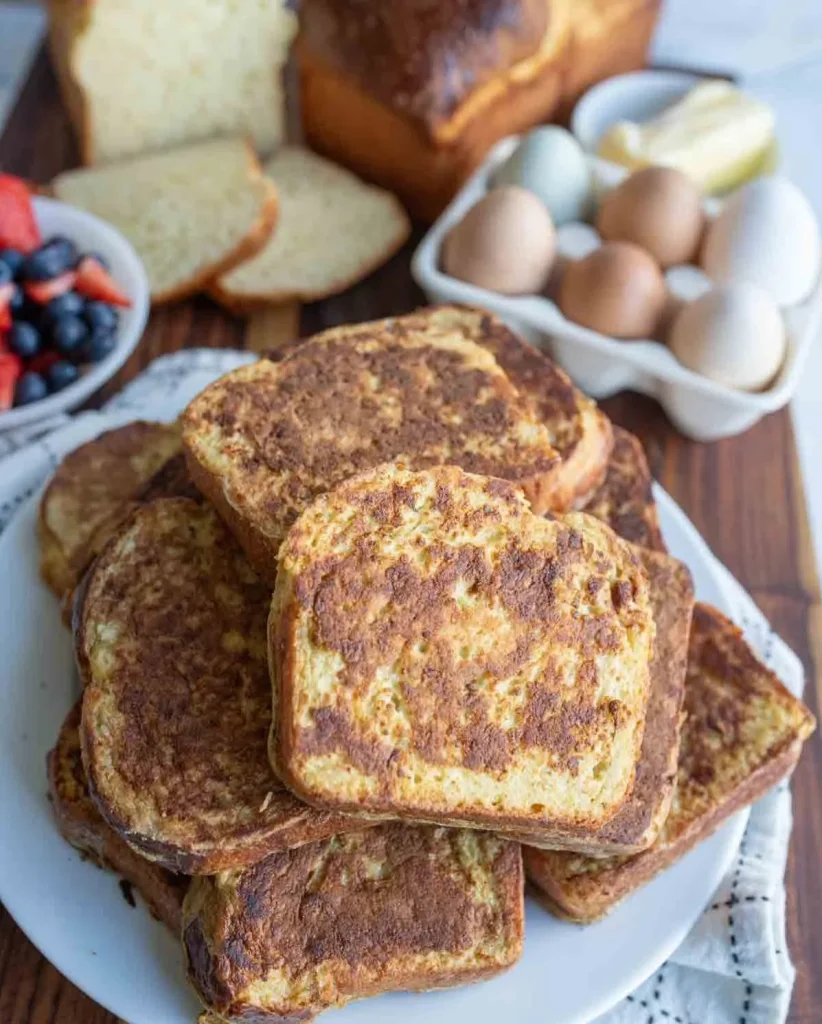
Whisk the Custard Base
In a wide, shallow bowl, whisk the eggs until fully broken down and smooth. Add the milk, heavy cream, sugar, vanilla extract, cinnamon, and salt. Whisk again until the mixture looks pale and slightly frothy, with no streaks of egg remaining. This custard is the backbone of the recipe, so take the extra thirty seconds to blend it thoroughly. A well-mixed custard soaks evenly into the bread, preventing patchy spots that turn rubbery once cooked in the pan.
Soak the Bread Properly
Place each bread slice into the custard, letting it sit for 20 to 30 seconds per side. Thick-cut brioche or challah can handle a longer soak without falling apart, which is exactly why they’re recommended here. Press down gently with a fork so the custard penetrates evenly, but don’t oversaturate it. The bread should feel heavy and moist, not mushy or falling apart. This step directly determines whether your French toast turns out fluffy inside or disappointingly dry.
Heat the Pan Correctly
Set a nonstick skillet or griddle over medium-low heat and let it warm for a full two minutes before adding butter. Add one tablespoon of butter and swirl until it melts and foams slightly, without browning too fast. Medium-low heat is non-negotiable here — too hot, and the outside chars before the inside cooks through. This slower approach gives the custard time to set fully while still achieving that deep golden color everyone wants.
Cook Each Slice to Golden Perfection
Lay the soaked bread slices into the hot butter, leaving space between them. Cook for 3 to 4 minutes per side, checking the underside for an even, deep golden-brown color before flipping. Resist the urge to press down with your spatula, as this squeezes out the custard you worked to soak in. Add the remaining butter before flipping the second batch to maintain that consistent, crisp exterior on every slice.
Rest Briefly, Then Serve Warm
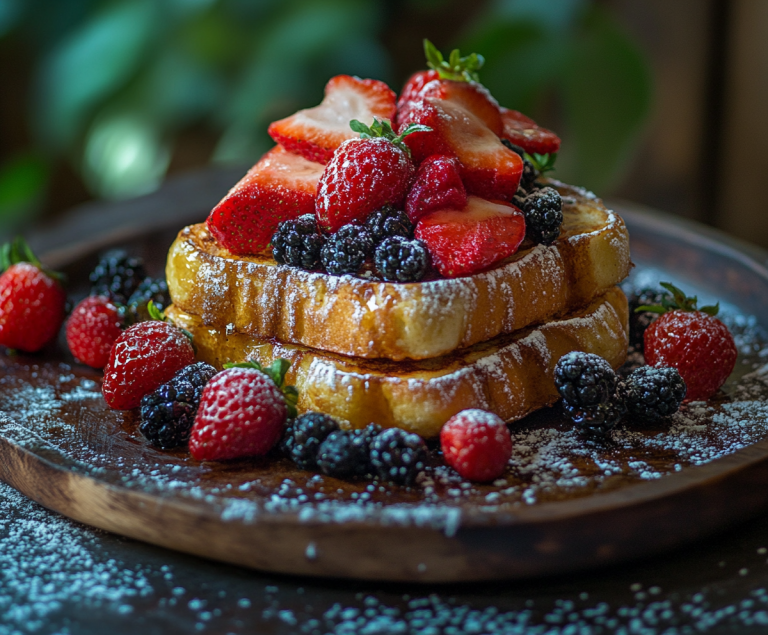
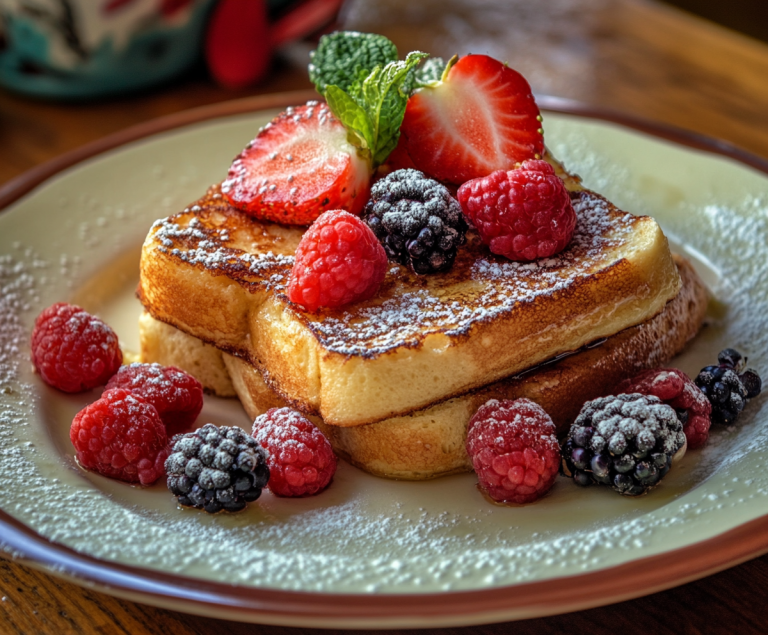
Transfer cooked slices to a wire rack instead of stacking them directly on a plate. This keeps the crisp edges intact instead of steaming them soft. Let them rest for one to two minutes before serving, which allows the custard center to finish setting completely. Serve immediately with warm maple syrup, fresh berries, or a light dusting of powdered sugar for the best texture and flavor experience.
Cook Time
Total
25 minutes
Prep
10 minutes
Bake
15 minutes
Servings
This recipe makes approximately 4 servings, based on one thick slice of French toast per person. It’s portioned for a standard family breakfast or a small weekend brunch gathering, though it scales easily if you’re cooking for more.
If you’re feeding a larger group, simply double the custard ratio and use eight slices of bread instead of four, cooking in batches to maintain that even golden crust on each piece.
For a lighter individual serving, you can also cut each slice in half after cooking, which stretches the recipe further while keeping the presentation clean and appealing on the plate.
Common Mistakes in This Recipe
The most frequent mistake is using thin, soft sandwich bread instead of a sturdy, day-old brioche or challah. Thin bread absorbs custard too quickly and disintegrates the moment it hits the pan, leaving you with a scrambled, eggy mess rather than distinct, structured slices.
Another common error is soaking the bread for too long. Home cooks often assume more custard means more flavor, but oversaturating the bread past 30 seconds per side makes it nearly impossible to cook through without burning the exterior first.
Cooking at high heat is a third mistake that ruins texture entirely. It browns the outside within a minute while the custard center stays raw, resulting in a slice that looks perfect but tastes undercooked and eggy in the middle.
Finally, many people skip preheating the pan properly, tossing bread into lukewarm butter. This leads to uneven cooking, pale color, and a greasy texture instead of the crisp, golden crust this recipe is known for.
Solutions to Common Mistakes
Always choose thick-cut, slightly stale bread like brioche or challah. If your bread is fresh, leave slices uncovered on the counter for a few hours, or lightly toast them first to reduce excess moisture before soaking.
Time your soak deliberately using a timer instead of guessing. Twenty to thirty seconds per side is sufficient for thick bread — any longer, and you risk a custard-heavy center that won’t cook evenly in the pan.
Stick to medium-low heat throughout the entire cooking process, even if it feels slower than expected. This patience allows the egg mixture inside to fully set while the outside develops color gradually and evenly.
Preheat your skillet for a full two minutes before adding butter, and test readiness with a small butter pat — it should sizzle gently, not smoke immediately or sit inactive.
Nutritional Information (approx. per serving)
- Calories: 310 kcal
- Protein: 9g
- Carbohydrates: 28g
- Fat: 18g
- Saturated Fat: 9g
- Cholesterol: 135mg
- Sodium: 260mg
- Fiber: 1g
- Sugar: 8g
Beyond its comforting flavor, this recipe offers a reasonable protein boost from the eggs and dairy, which helps keep you satisfied through the morning without a heavy carbohydrate crash later on.
The moderate use of butter and cream, rather than excessive amounts, keeps saturated fat within a manageable range for an occasional indulgent breakfast rather than an everyday concern.
Using whole milk and eggs also contributes small amounts of vitamin D and choline, both of which support energy metabolism and cognitive function, making this more than just an empty-calorie treat.
Topping with fresh fruit instead of heavy syrup can further improve the nutritional profile, adding fiber and antioxidants while keeping the dish’s signature richness fully intact.
Storage Instructions
Leftover French toast keeps well when stored properly, making it a practical make-ahead option for busy mornings rather than something you must finish in one sitting.
Allow slices to cool completely to room temperature before storing, as trapping heat inside a container creates condensation that softens the crisp exterior you worked hard to achieve.
Store cooled slices in an airtight container in the refrigerator for up to 3 days, placing parchment paper between layers to prevent them from sticking together or losing their shape.
For longer storage, freeze slices in a single layer on a tray until firm, then transfer to a freezer bag for up to 2 months, reheating directly from frozen in a toaster or oven.
Suggestions
Pair this French toast with crispy bacon or breakfast sausage to balance its sweetness with something savory, creating a more complete and satisfying morning plate.
Fresh fruit like sliced strawberries, bananas, or blueberries adds brightness and acidity that cuts through the richness of the custard, making each bite feel less heavy overall.
A dusting of powdered sugar just before serving gives a bakery-style finish, while warm maple syrup poured tableside keeps the crisp edges from softening too early on the plate.
For a more indulgent version, try the stuffed variation using cream cheese between two slices before soaking, turning this simple breakfast into a dessert-worthy centerpiece for special occasions.
Seasonal Relevance
French toast works beautifully year-round, but it shines especially in the colder months when a warm, buttery breakfast feels most comforting and appropriate for the season.
During autumn, adding a pinch of nutmeg or a drizzle of pumpkin spice syrup ties the dish naturally into seasonal flavors without straying from the core recipe.
In summer, lightening the toppings with fresh berries and a touch of citrus zest keeps the dish feeling bright and appropriate for warmer mornings and brunch gatherings outdoors.
Holiday mornings are also an ideal occasion for this recipe, since it can be prepped the night before and cooked quickly, freeing up time for family and guests.
Final Words
This French toast recipe proves that a classic breakfast dish doesn’t need unnecessary complexity to taste exceptional. Precision in the custard ratio and cooking temperature makes all the difference.
Once you’ve made it correctly a single time, you’ll understand exactly why bread choice, soak time, and heat control matter so much to the final texture and flavor.
It’s a recipe worth returning to on weekends, holidays, or whenever you want a breakfast that feels a little more special than your usual weekday routine allows.
Try it once with the exact steps outlined here, and you’ll likely find yourself skipping other French toast recipes altogether in favor of this reliable, foolproof method.
Frequently Asked Questions
Can I use plant-based milk instead of dairy in this recipe?
Yes, oat milk or full-fat coconut milk both work well as substitutes. They maintain a creamy texture in the custard, though the flavor will be slightly different and less rich than traditional dairy versions.
Why does my French toast turn out soggy in the middle?
This usually happens when the bread is soaked too long or cooked at high heat. Use thicker, slightly stale bread, limit soaking to 30 seconds per side, and cook over medium-low heat for best results.
Can I prepare the custard mixture the night before?
Absolutely. Whisk the custard and store it covered in the refrigerator overnight. Give it a quick stir before using, since some separation is normal, then soak your bread fresh the next morning for best texture.
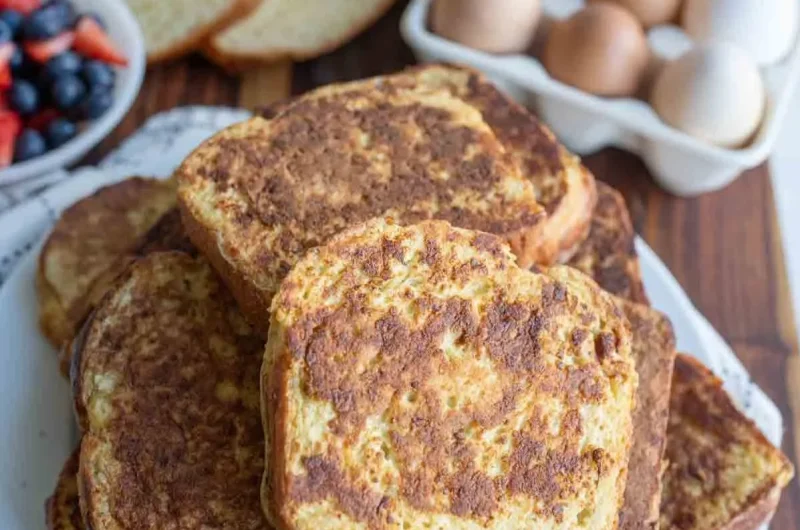
Fluffy French Toast with Golden, Custardy Edges
4
servings10
minutes15
minutes310
kcalGolden, crisp-edged French toast with a soft, custardy center. Made with rich brioche, a perfectly balanced egg custard, and butter-toasted to perfection — an easy, foolproof breakfast classic ready in just 25 minutes.
Ingredients
Base Ingredients:
4 thick slices of brioche or challah bread
2 large eggs
1/2 cup whole milk
1/4 cup heavy cream
1 tablespoon granulated sugar
1/2 teaspoon pure vanilla extract
1/4 teaspoon ground cinnamon
1 pinch of salt
2 tablespoons unsalted butter, for the pan
Optional Add-ins:
1/4 teaspoon ground nutmeg
1 tablespoon orange zest
1 tablespoon maple syrup, mixed into the custard
1/2 teaspoon almond extract, in place of vanilla
2 tablespoons cream cheese, for a stuffed variation
Directions
- Whisk eggs until smooth, then add milk, heavy cream, sugar, vanilla, cinnamon, and salt. Whisk until pale and slightly frothy.
- Soak each bread slice in the custard for 20–30 seconds per side, pressing gently so it absorbs evenly.
- Heat a nonstick skillet over medium-low heat for 2 minutes, then add butter and let it melt without browning.
- Cook soaked bread slices for 3–4 minutes per side until deep golden-brown, avoiding pressing down with the spatula.
- Transfer cooked slices to a wire rack, rest for 1–2 minutes, then serve warm with syrup, berries, or powdered sugar.
Recipe Video
Notes
- Use slightly stale, thick-cut bread for best texture — fresh bread can fall apart during soaking.
- Keep the heat at medium-low throughout; high heat burns the outside before the inside cooks.
- Store leftovers in an airtight container in the fridge for up to 3 days, or freeze for up to 2 months.
- Reheat frozen slices directly in a toaster or oven for best texture.