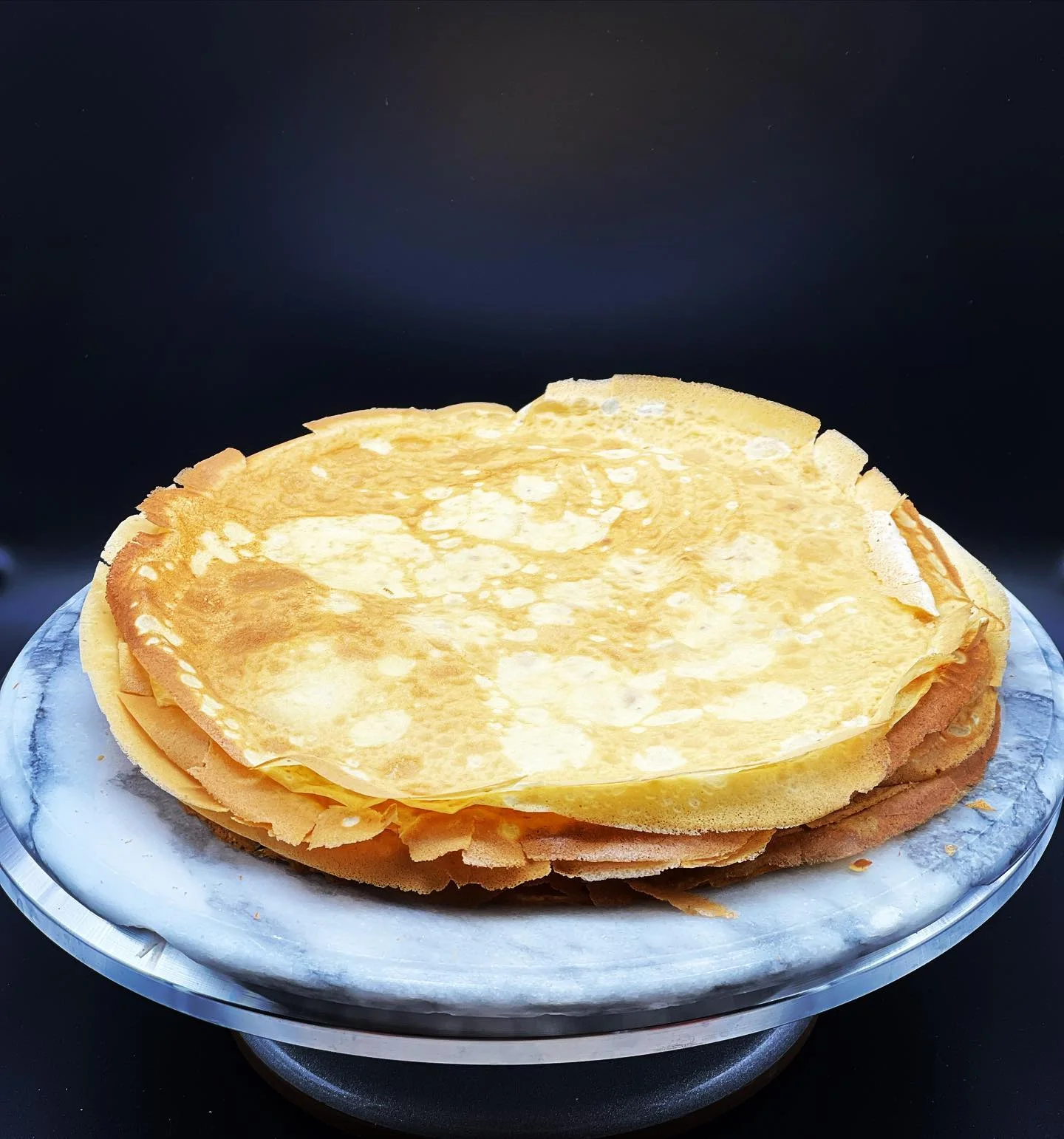
Nothing feels quite as satisfying as a stack of light, delicate homemade crepes fresh from the pan. Fill them with fruit, cream, chocolate, or savory ingredients for endless possibilities. From easy Crepe Filling Ideas and Stuffed Crepes to a stunning Crepe Cake Recipe, these versatile crepes fit any occasion. Perfect for brunch, dessert, or quick Crepe Breakfast Ideas when you want something simple yet impressive.
There is a reason crepes have stayed on brunch menus and dessert carts for generations: they are quietly forgiving, endlessly adaptable, and far easier to master than most people assume. A good crepe batter needs nothing exotic, just a handful of ingredients you already trust, whisked into something silky and thin enough to lace a hot pan in seconds.
What sets a truly great crepe apart isn’t a fancy pan or imported flour. It’s technique. The right batter consistency, the correct heat, and a little patience while the first one or two “test crepes” teach your pan its personality. Once you get that rhythm, the rest come off effortlessly, each one lacy-edged and golden.
This recipe walks you through every stage, from mixing to plating, so your crepes turn out consistently thin, tender, and ready for whatever filling you’re craving. Sweet or savory, breakfast or dessert, this batter is the one recipe worth memorizing.
Ingredients You’ll Need
Great crepes start with a batter so simple it almost feels like a trick, yet the balance of these everyday staples is exactly what gives them their signature lace-thin texture and gentle golden color.
One of the things I love about this recipe is that it uses simple pantry ingredients. You probably already have most of them in your kitchen.
Base Ingredients
- 1 cup all-purpose flour
- 2 large eggs
- 1 1/2 cups milk
- 2 tablespoons melted butter, plus extra for the pan
- 1/4 teaspoon salt
- 1 tablespoon sugar (omit for savory crepes)
- 1/2 teaspoon pure vanilla extract
Optional Add-ins
- 1 tablespoon orange zest for a citrus note
- 1 tablespoon cocoa powder for chocolate crepes
- 1/4 teaspoon ground cinnamon for warm spice
- 1 tablespoon chopped fresh herbs for savory crepes
- 2 tablespoons sparkling water for extra-light texture
- 1 pinch nutmeg for depth
Step-by-Step Instructions
Whisk the Wet Ingredients
Crack the eggs into a large mixing bowl and whisk them until smooth and slightly frothy. Pour in the milk gradually, whisking as you go so the eggs don’t clump. Add the melted butter and vanilla extract, whisking until the mixture looks silky and fully blended. This wet base sets the foundation for a batter that will pour smoothly and cook into thin, even layers without tearing or sticking later on.
Combine the Dry Ingredients
In a separate bowl, sift the flour, salt, and sugar together to remove any lumps and aerate the mixture slightly. Sifting matters more than it seems; it prevents stubborn flour pockets that are hard to whisk out once liquid is added. Set this dry mixture aside while you prepare to combine it with the wet ingredients, keeping your workspace organized and your batter smooth from the very first step.
Bring the Batter Together
Slowly pour the dry ingredients into the wet mixture, whisking constantly to avoid lumps. Work in small additions rather than dumping it all at once. The goal is a thin, pourable batter with the consistency of heavy cream, not pancake batter. If it feels too thick, add a splash more milk. A smooth, lump-free batter is the single biggest factor in achieving delicate, evenly cooked crepes.
Rest the Batter
Cover the bowl and refrigerate the batter for at least 30 minutes, up to overnight. This resting period allows the flour’s gluten to relax and the bubbles from whisking to settle, which results in a more tender, tear-resistant crepe. Skipping this step is one of the most common reasons crepes turn out rubbery or uneven. Patience here pays off directly in texture once the batter hits the pan.
Heat and Prepare the Pan
Heat a nonstick or crepe pan over medium heat and lightly brush it with melted butter. The pan is ready when a drop of batter sizzles gently without smoking. Too hot, and the crepe browns before it spreads; too cool, and it turns pale and greasy. Getting this temperature right is what separates a lacy, golden crepe from one that’s tough, thick, or unevenly cooked.
Pour and Swirl
Ladle a small amount of batter into the center of the pan, then immediately tilt and swirl it in a circular motion so the batter coats the surface thinly and evenly. Work quickly, since the batter starts setting the moment it touches the hot pan. This swirling motion is what creates that signature paper-thin crepe shape, so don’t rush it, but don’t hesitate either.
Cook and Flip
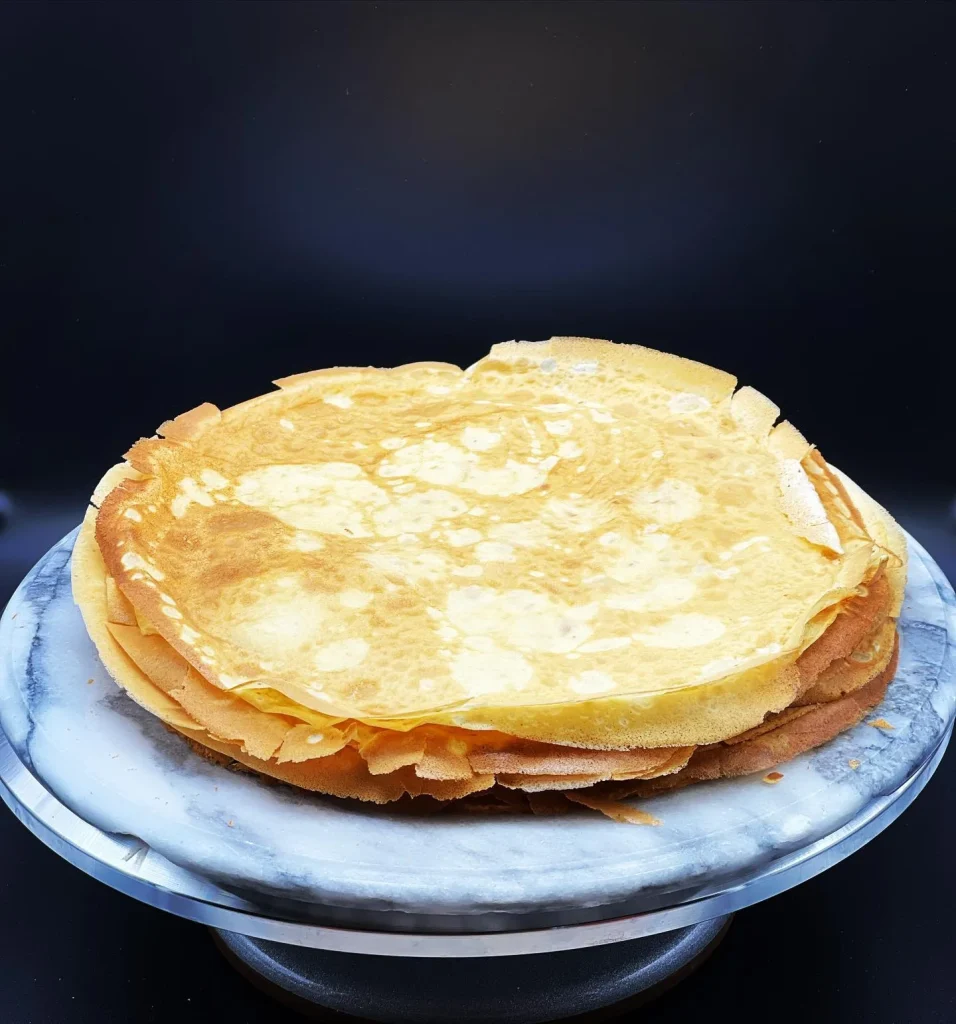
Cook the crepe for about 60 to 90 seconds until the edges turn golden and lift slightly from the pan on their own. Slide a thin spatula underneath and flip in one confident motion. Cook the second side for just 20 to 30 seconds, since it needs far less time. Transfer to a plate and repeat, stacking finished crepes with a sheet of parchment between each.
Fill and Serve
Once your crepes are stacked and cooled slightly, it’s time for the fun part: filling them. Spread on Nutella, fresh berries, whipped cream, or a savory combination like ham and cheese, then fold or roll to your preferred style. Serve immediately while still warm and tender, letting each guest customize their own crepe for a brunch spread that feels effortlessly impressive.
Cook Time
Total
45 minutes, including batter resting time
Prep
10 minutes active preparation, plus 30 minutes resting
Bake
Approximately 5 minutes per crepe on the stovetop
Servings
This recipe makes approximately 10 to 12 thin crepes, depending on the size of your pan and how thinly you pour each one. That yield comfortably serves four people as a hearty brunch, with two to three crepes per person, or stretches further as a light dessert course for six.
If you’re hosting a crowd, this batter doubles easily without any adjustment to ratios, making it a reliable choice for weekend gatherings or holiday brunch tables. The finished crepes also hold up well as leftovers, so a larger batch never really goes to waste.
For a more indulgent presentation, consider stacking several crepes with layers of cream and fruit between them to create a striking crepe cake, which turns this same simple batter into a genuine centerpiece dessert worth serving guests.
Common Mistakes in This Recipe
The most frequent misstep is pouring batter into a pan that isn’t hot enough, which produces pale, greasy crepes that stick and tear when you try to flip them. Another common issue is skipping the resting period entirely, which leaves the gluten too tight and results in a chewier, less delicate texture than intended.
Overfilling the pan with too much batter is another easy mistake, leading to crepes that are thick, doughy in the center, and difficult to fold neatly around a filling without cracking.
Many home cooks also whisk the batter too aggressively or too briefly, either overdeveloping the gluten or leaving lumps that create uneven cooking spots across the crepe’s surface.
Finally, flipping too early, before the edges have visibly set and lifted, often causes crepes to tear apart mid-flip, wasting batter and patience alike.
Solutions to Common Mistakes
Always test your pan’s heat with a small drop of batter before committing to the first full crepe; it should sizzle gently and set within a few seconds without smoking or browning instantly. This simple check saves an entire batch from turning out unevenly.
Never skip the resting time. Even a short 20 to 30 minute rest in the refrigerator dramatically improves texture, giving you crepes that fold and roll without cracking or feeling tough.
Measure your batter with a ladle or small measuring cup rather than eyeballing it, ensuring each crepe is thin and consistent from the first to the last.
Watch for visual cues instead of a timer alone. Once the edges turn golden and begin lifting naturally from the pan, that’s your signal to flip with confidence.
Nutritional Information (approx. per serving)
- Calories: 180 kcal
- Protein: 6 g
- Carbohydrates: 20 g
- Fat: 8 g
- Saturated Fat: 4 g
- Fiber: 1 g
- Sugar: 4 g
- Sodium: 140 mg
Beyond their comforting taste, crepes made from scratch offer a surprising amount of control over what actually goes into your meal. Since the batter relies on real eggs, milk, and butter rather than processed shortcuts, you get a source of protein and calcium in every serving, supporting steady energy without a heavy, greasy aftertaste.
Using whole eggs also contributes choline and healthy fats that support brain and cell function, making this a more nourishing breakfast option than many boxed alternatives on the market today.
Because the base recipe is naturally low in added sugar, it pairs well with nutrient-dense fillings like fresh fruit, Greek yogurt, or leafy greens for a savory version, letting you shape the nutritional profile around your own goals.
Portion control is another quiet benefit, since thin crepes naturally encourage mindful eating, letting you feel satisfied without the density and heaviness of thicker breakfast breads or pancakes.
Storage Instructions
Cooked crepes store beautifully, making them an excellent make-ahead option for busy mornings or planned gatherings. Once fully cooled, stack them with a small sheet of parchment or wax paper between each layer to prevent sticking, then wrap the entire stack tightly in plastic wrap.
Stored this way in the refrigerator, crepes stay fresh and pliable for up to three days, ready to be gently reheated in a warm, dry pan for about 20 seconds per side.
For longer storage, place the parchment-separated stack in a freezer-safe zip-top bag and freeze for up to two months. Thaw overnight in the refrigerator before reheating, and avoid microwaving directly from frozen, as this can make the texture rubbery.
Unused batter can also be refrigerated in an airtight container for up to 24 hours, letting you cook fresh crepes in smaller batches whenever the craving strikes without any waste.
Suggestions
For a classic French-inspired treat, spread a thin layer of Nutella across a warm crepe, add sliced bananas, then fold into quarters for an instantly elegant dessert that takes minutes to assemble.
If you’re leaning savory, try filling crepes with sautéed spinach, mushrooms, and a sprinkle of gruyère cheese, folding them into neat rectangles for a brunch dish that feels distinctly upscale.
For a showstopping centerpiece, stack six to eight crepes with layers of whipped mascarpone and fresh berries between each one, chilling the whole thing to create a stunning crepe cake worth photographing.
On busy mornings, keep things simple with a squeeze of lemon juice and a dusting of powdered sugar, a timeless combination that highlights the crepe’s delicate flavor without any fuss.
Seasonal Relevance
In spring, fresh strawberries, rhubarb compote, and a touch of lemon zest bring a bright, seasonal lift to this batter, making crepes feel like a natural centerpiece for Easter brunch or Mother’s Day gatherings.
Summer calls for stone fruit and berries at their peak, from sliced peaches to blueberries folded with lightly sweetened cream, turning simple crepes into a refreshing warm-weather dessert or breakfast.
As autumn arrives, warm spiced fillings like cinnamon-sautéed apples or a swirl of pumpkin butter pair beautifully with the batter’s subtle vanilla notes, making crepes a cozy addition to fall gatherings.
Winter holidays are the perfect excuse for indulgent fillings like chocolate hazelnut spread, chestnut cream, or a dusting of citrus zest, turning this everyday recipe into a festive centerpiece for celebrations.
Final Words
Homemade crepes have a way of turning an ordinary morning into something special, without demanding hours in the kitchen or a long list of unfamiliar ingredients. Once you get comfortable with the batter and the swirl technique, this recipe becomes second nature.
What makes crepes so worth mastering is their sheer versatility. The same batter carries you from a quick weekday breakfast to an elegant dinner-party dessert, simply by changing what goes inside.
Don’t be discouraged if your first crepe or two doesn’t turn out picture-perfect; even professional cooks treat the first one as a test run for pan temperature. The ones that follow will come together with much more confidence.
Save this recipe, keep the batter ratios in mind, and let it become one of those go-to dishes you can make from memory whenever the craving for something light, delicate, and endlessly customizable strikes.
Frequently Asked Questions
Can I make the crepe batter without a blender?
Yes, a whisk works perfectly well. Simply whisk the wet ingredients first, then gradually incorporate the sifted dry ingredients until smooth. A blender just speeds up the process and can help eliminate lumps slightly faster if you prefer.
Why do my crepes keep sticking to the pan?
This usually means the pan isn’t properly greased or hot enough before pouring. Use a nonstick pan, lightly butter it between crepes, and confirm the surface sizzles gently when tested with a small drop of batter before cooking.
Can this batter be made dairy-free?
Yes, substitute the milk with a plant-based alternative like oat or almond milk, and replace the butter with a neutral oil or dairy-free margarine. The texture stays light, though flavor will vary slightly depending on your chosen substitute.
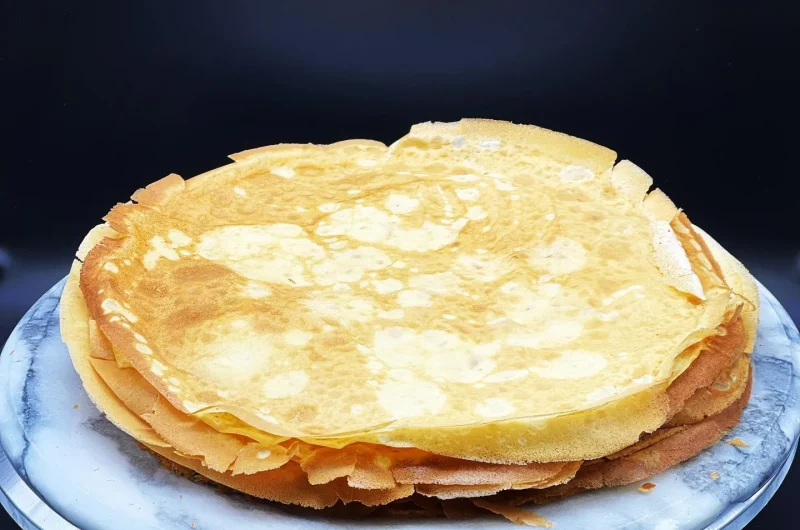
Light and Delicate Homemade Crepes for Any Filling
10
servings10
minutes5
minutes180
kcalLight, delicate homemade crepes made from simple pantry staples. Silky, thin, and endlessly versatile, these golden crepes are perfect for sweet or savory fillings, ideal for brunch, dessert, or a quick breakfast treat.
Ingredients
Base Ingredients:
1 cup all-purpose flour
2 large eggs
1 1/2 cups milk
2 tablespoons melted butter, plus extra for the pan
1/4 teaspoon salt
1 tablespoon sugar (omit for savory crepes)
1/2 teaspoon pure vanilla extract
Optional Add-ins:
1 tablespoon orange zest for a citrus note
1 tablespoon cocoa powder for chocolate crepes
1/4 teaspoon ground cinnamon for warm spice
1 tablespoon chopped fresh herbs for savory crepes
2 tablespoons sparkling water for extra-light texture
1 pinch nutmeg for depth
Directions
- Whisk the eggs until smooth, then gradually add milk, melted butter, and vanilla extract until silky.
- Sift flour, salt, and sugar together in a separate bowl to remove lumps.
- Slowly combine dry ingredients into the wet mixture, whisking constantly until smooth and pourable.
- Cover and refrigerate the batter for at least 30 minutes, up to overnight.
- Heat a nonstick pan over medium heat and lightly butter the surface.
- Pour a small amount of batter into the pan, tilting and swirling to coat evenly.
- Cook for 60-90 seconds until edges turn golden and lift naturally.
- Flip and cook the second side for 20-30 seconds.
- Stack finished crepes with parchment paper between each layer.
- Fill with your choice of sweet or savory ingredients, fold or roll, and serve warm.
Recipe Video
Notes
- Test pan heat with a small drop of batter before cooking the first crepe.
- Batter should be thin, similar to heavy cream consistency, not pancake batter.
- Resting the batter is essential for a tender, tear-resistant texture.
- Refrigerate leftover batter for up to 24 hours, or store cooked crepes in the fridge for up to 3 days.
- Freeze cooked crepes for up to 2 months, separated by parchment paper.