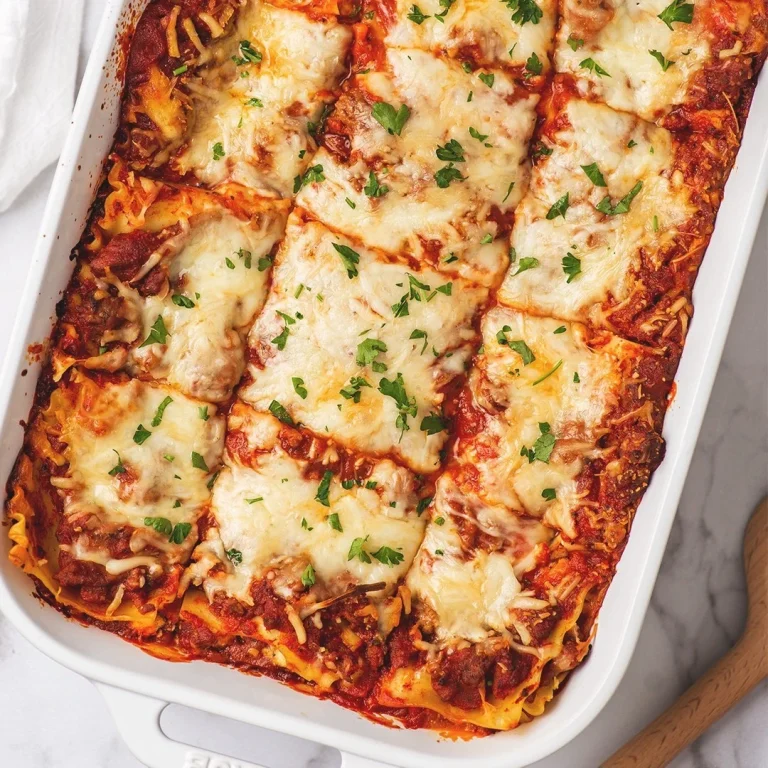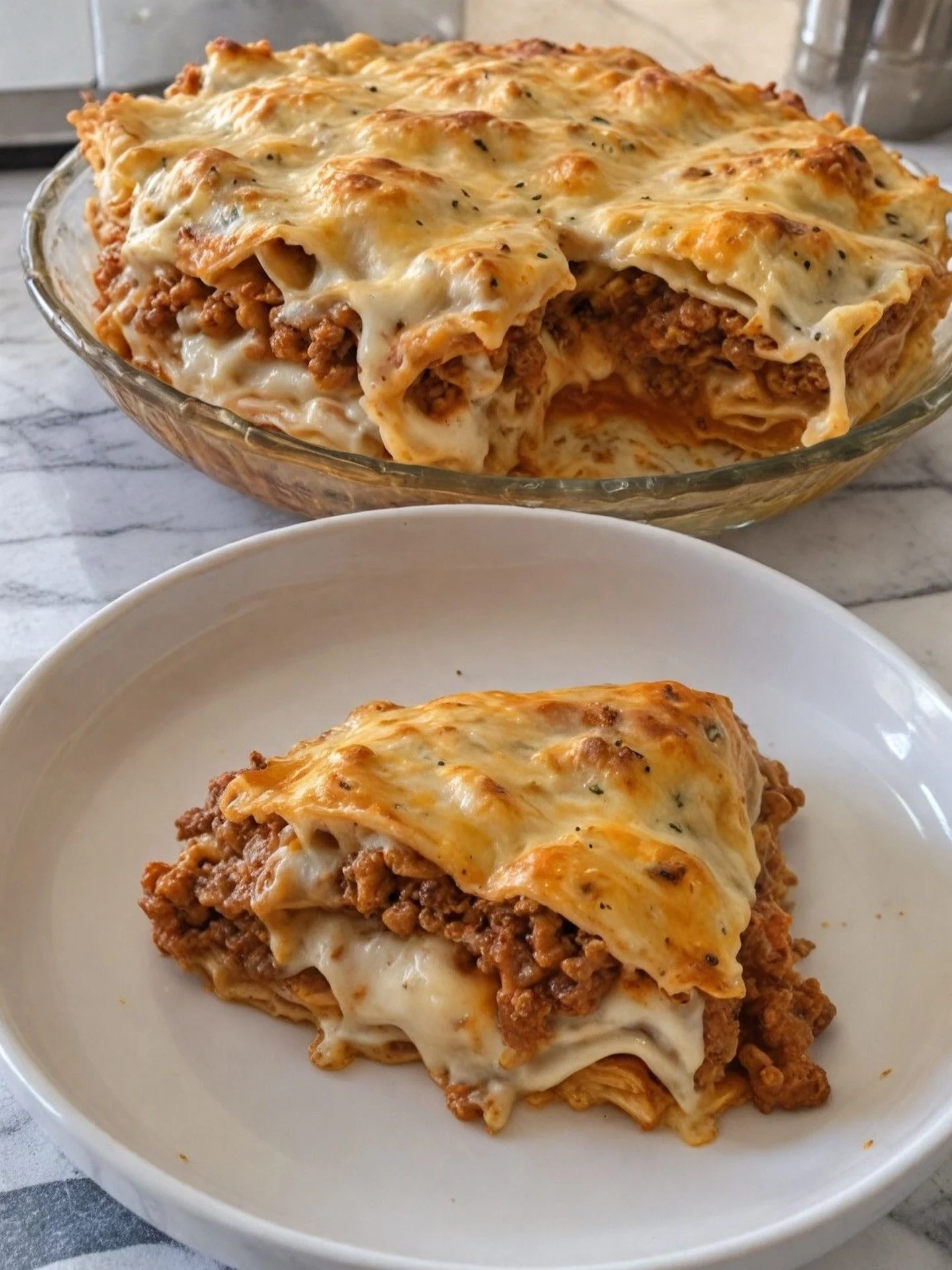
There is a reason lasagna has stayed on Sunday tables for generations. It is not fussy, it does not demand rare ingredients, and it rewards patience with a dish that tastes better the longer it sits. This version leans into that tradition without overcomplicating it.
The secret that separates a lasagna that holds its shape from one that collapses into a puddle on the plate comes down to one small move: beating an egg into the ricotta before it goes anywhere near the noodles. That single step sets the cheese layer as it bakes, so each slice stands up on its own instead of sliding apart.
Between the creamy ricotta, the pull of melted mozzarella, and a marinara that has been given real time on the stove, this recipe sits in the sweet spot between an old-school Italian classic and the richer, cheese-forward “million dollar” style so many home cooks crave. Neither version alone gets it quite right. This one does.
Give it twenty minutes to rest once it comes out of the oven. That rest is not optional if you want clean slices instead of a hot, cheesy mess. Everything else here is built to make that resting time worth the wait.
Ingredients You’ll Need
A great lasagna does not hide behind a long ingredient list — it wins on how well a handful of familiar staples are treated. Here is everything this recipe asks of your kitchen.
One of the things I love about this recipe is that it uses simple pantry ingredients. You probably already have most of them in your kitchen.
Base Ingredients
- 1 pound lasagna noodles (regular or no-boil)
- 32 ounces ricotta cheese, whole milk
- 1 large egg
- 4 cups mozzarella cheese, shredded
- 1 cup Parmesan cheese, freshly grated
- 4 cups marinara sauce (homemade or high-quality store-bought)
- 1 pound ground beef or Italian sausage
- 1 tablespoon olive oil
- 3 cloves garlic, minced
- 1 teaspoon dried oregano
- 1 teaspoon dried basil
- 1/2 teaspoon salt, plus more to taste
- 1/4 teaspoon black pepper
- 2 tablespoons fresh parsley, chopped
Optional Add-ins
- 1 cup baby spinach, wilted and drained
- 8 ounces cremini mushrooms, sliced and sautéed
- 1/2 teaspoon red pepper flakes
- 1/4 cup dry red wine
- 1 tablespoon fresh basil, chiffonade, for topping
- 1/2 cup ricotta salata, shaved, for garnish
Step-by-Step Instructions
Cook the Meat Sauce
Heat olive oil in a large skillet over medium heat. Add garlic and cook for 30 seconds until fragrant. Add ground beef or sausage, breaking it apart as it browns, about 6 to 8 minutes. Drain excess fat. Stir in marinara sauce, oregano, basil, salt, and pepper. If using wine, add it now and let it reduce for 2 minutes. Simmer uncovered for 15 minutes, stirring occasionally, until the sauce thickens slightly and the flavors deepen into something that tastes slow-cooked rather than rushed.
Prepare the Ricotta Mixture
In a medium bowl, combine ricotta cheese with the beaten egg, half the Parmesan, and a pinch of salt. Whisk until fully smooth and streak-free. This egg is not decorative; it is the structural backbone of the dish. Without it, the ricotta layer stays loose and wet, and slices will slump the moment you cut in. With it, the cheese sets into a firm, sliceable layer as the lasagna bakes, which is exactly the texture you want on a fork.
Boil the Noodles
Bring a large pot of salted water to a rolling boil. Cook lasagna noodles according to package instructions, usually 8 to 10 minutes, until just al dente. Drain and lay them flat on a lightly oiled baking sheet so they don’t stick together while you assemble everything else. If using no-boil noodles, skip this step entirely, but add an extra half cup of marinara sauce to the mix to give the noodles enough moisture to soften properly in the oven.
Layer the Lasagna
Preheat the oven to 375°F. Spread a thin layer of marinara on the bottom of a 9×13 baking dish. Add a layer of noodles, then a third of the ricotta mixture, a third of the meat sauce, and a generous handful of mozzarella. Repeat this sequence twice more, finishing with a final layer of noodles topped with remaining sauce and the rest of the mozzarella and Parmesan. Press down gently between layers to eliminate air pockets and keep the stack even.
Bake and Rest
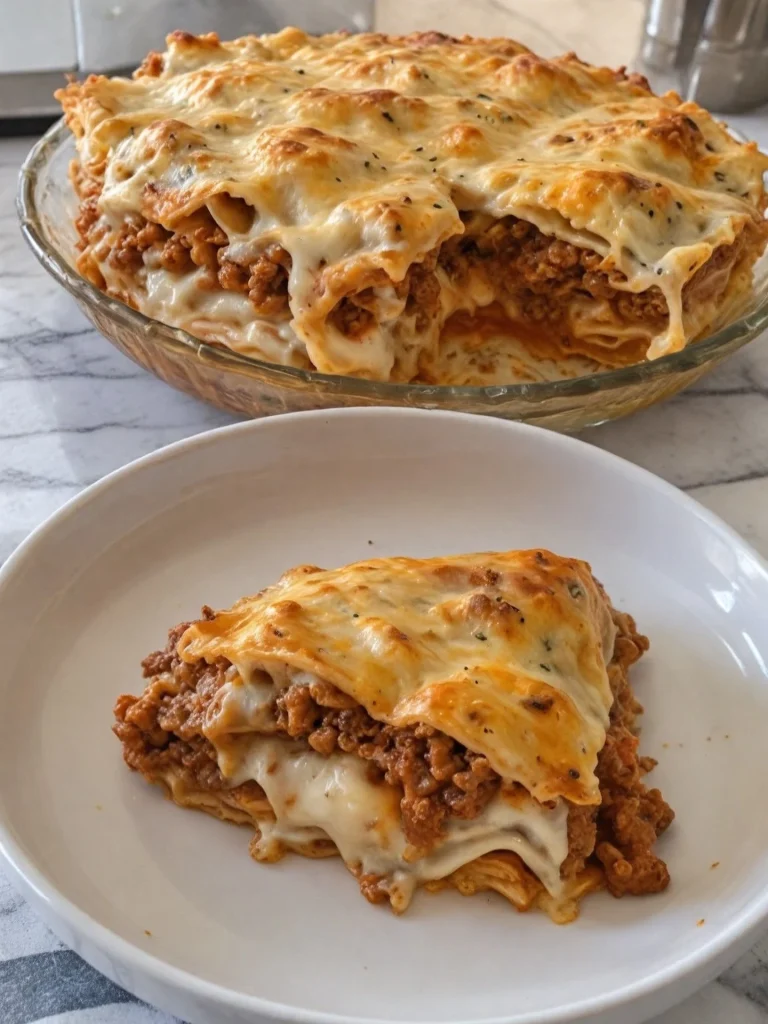
Cover the dish tightly with foil, tenting it slightly so the cheese doesn’t stick. Bake for 25 minutes, then remove the foil and bake another 20 minutes until the top is golden and bubbling at the edges. Remove from the oven and let it rest for a full 20 minutes before slicing. This rest is what allows the ricotta and cheese layers to firm up, so your first slice comes out clean instead of collapsing.
Cook Time
Total
1 hour 25 minutes
Prep
25 minutes
Bake
45 minutes
Servings
This recipe makes approximately 8 to 10 generous servings, depending on how you slice it and what else is on the table alongside it. It is built for a full dinner table, a potluck, or a week of reliable leftovers that reheat just as well as they tasted on day one.
For a family dinner, plan on one square per adult with a side salad and garlic bread to round things out. If you are feeding a smaller household, this lasagna also freezes beautifully in individual portions, which makes it a smart make-ahead option for busy weeks.
Doubling the recipe works cleanly if you are cooking for a crowd — just use a deeper baking dish or split the mixture across two standard 9×13 pans rather than overfilling one, which can cause uneven baking and a soggy center layer.
Common Mistakes in This Recipe
The most common misstep is skipping the egg in the ricotta mixture, assuming it is an optional flourish rather than a structural ingredient. Without it, the cheese layer stays loose and never fully sets, which means every slice slides apart no matter how long you let the dish rest afterward.
A close second is overloading the layers with too much sauce. It feels generous in the moment, but excess liquid has nowhere to go during baking and pools at the bottom, leaving you with a soupy, waterlogged lasagna instead of distinct, sliceable layers.
Many home cooks also skip resting the lasagna entirely, cutting in the moment it leaves the oven. The layers are still molten and unset at that point, and the first few slices almost always collapse into a messy pile rather than holding their shape.
Finally, undercooking or overcooking the noodles causes real problems. Noodles that are too firm stay chewy and raw-tasting after baking, while noodles boiled too long turn mushy and tear apart the moment you try to layer or serve them.
Solutions to Common Mistakes
Always beat one egg into your ricotta before assembling, even if a recipe you’ve used before skipped it. This small addition costs nothing extra and guarantees a firmer, more sliceable final texture, so treat it as a non-negotiable step rather than an optional upgrade.
Measure your sauce rather than eyeballing it, and resist the urge to add extra “for good measure.” A thin, even layer per tier is enough — the noodles and cheese will absorb moisture as they bake, so restraint here pays off in the final texture.
Set a timer for the full 20-minute rest and walk away from the kitchen if you have to. This patience is what transforms a good lasagna into a great one, giving the cheese and egg mixture time to firm into clean, stackable layers.
Cook noodles to just shy of al dente, since they will continue softening in the oven. Test one piece a minute or two early, and pull the batch the moment it bends without breaking, rather than trusting the package timer alone.
Nutritional Information (approx. per serving)
- Calories: 420 kcal
- Protein: 26g
- Carbohydrates: 28g
- Fat: 22g
- Saturated Fat: 11g
- Fiber: 2g
- Sodium: 680mg
- Calcium: 30% DV
This lasagna delivers a genuinely balanced plate rather than empty comfort food. The ricotta and mozzarella bring a meaningful dose of calcium and protein, both of which support bone density and muscle repair, making this a dish that does more nutritional work than its indulgent reputation suggests.
Ground beef or sausage contributes iron and B vitamins, particularly B12, which play a direct role in energy metabolism and red blood cell production. Pairing that protein with tomato-based marinara also means you’re getting lycopene, an antioxidant linked to heart and skin health.
If you fold in optional spinach or mushrooms, you add fiber, potassium, and additional micronutrients without meaningfully changing the flavor profile of the dish. It is an easy way to stretch the nutritional value further for very little extra effort.
Portion control matters more than restriction here. A single square alongside a simple green salad rounds out the meal with fiber and freshness, balancing the richness of the cheese without asking you to give up the dish you actually want to eat.
Storage Instructions
Let leftovers cool completely before covering, then store in the refrigerator in an airtight container or tightly wrapped in the original baking dish. Properly stored, this lasagna holds its texture and flavor for up to 4 days, and honestly tastes even better on day two once the flavors have had time to settle.
For longer storage, portion the lasagna into individual squares and wrap each tightly in plastic wrap followed by foil. Frozen this way, it keeps well for up to 3 months without a noticeable drop in quality, making it a genuinely useful freezer staple rather than a compromise.
To reheat from the refrigerator, cover with foil and warm in a 350°F oven for 20 to 25 minutes, which preserves the texture far better than a microwave. If reheating from frozen, thaw overnight in the refrigerator first for the most even results.
Avoid reheating the same portion more than once. Repeated heating and cooling cycles break down the ricotta’s set texture and dry out the noodles, so reheat only what you plan to eat in that sitting rather than the whole dish at once.
Suggestions
Serve this lasagna with a simple arugula salad dressed in lemon and olive oil. The peppery bite and acidity cut through the richness of the cheese and meat sauce, giving the whole meal better balance than a heavier side would.
Garlic bread is the obvious pairing, and for good reason. Use a crusty baguette, split and brushed with garlic butter, then broiled just until golden. It is ideal for catching any extra marinara left on the plate.
A glass of medium-bodied red wine, such as Chianti or Sangiovese, complements the acidity of the marinara and the richness of the cheese without overpowering either. If you prefer non-alcoholic options, sparkling water with lemon works surprisingly well here.
For a lighter spin, swap half the ricotta mixture for well-drained cottage cheese, and use lean ground turkey instead of beef. The result is noticeably lighter without losing the layered texture that makes this dish satisfying.
Seasonal Relevance
Lasagna earns its reputation as cold-weather comfort food, and this version is no exception. The warmth of the baked layers, the richness of the sauce, and the slow oven time make it a natural fit for fall and winter dinners, especially when the weather calls for something hearty.
That said, it holds its own in warmer months too, particularly for gatherings where a make-ahead dish is a real advantage. Assemble it the night before, refrigerate, and simply bake it off the day of your event without any last-minute scrambling in the kitchen.
Around the holidays, this lasagna works well as a secondary main dish alongside a roast, giving guests with different preferences a second option that still feels like a proper centerpiece rather than an afterthought.
Late summer, when tomatoes are at their peak, is also an excellent time to make your own marinara from scratch for this recipe. The fresher sauce noticeably elevates the final dish compared to relying on jarred sauce year-round.
Final Words
This lasagna is not trying to reinvent an Italian classic; it is trying to get the fundamentals right so consistently that every slice comes out the way you pictured it. The egg in the ricotta, the patience with the sauce, and the discipline to let it rest are what separate this version from a rushed weeknight attempt.
It is a recipe built for repetition. Once you make it a few times, you will stop measuring and start feeling your way through the layers, which is exactly how a dish like this should eventually feel in your hands.
Whether you are cooking for a Sunday family dinner, prepping meals for a busy week, or bringing a dish to a potluck, this lasagna holds up under all three demands without asking you to compromise on flavor or texture.
Make it once following the steps closely, and you will understand why lasagna has earned its place as a genuine kitchen staple rather than a special-occasion-only dish. It deserves a regular spot in your rotation.
Frequently Asked Questions
Can I assemble this lasagna a day ahead and bake it later?
Yes. Assemble the full dish, cover tightly, and refrigerate up to 24 hours before baking. Add 10 to 15 extra minutes to the covered bake time since it will start from cold, and let it rest the same 20 minutes before slicing.
Why did my lasagna turn out watery even after resting?
Watery lasagna usually comes from excess moisture in the sauce or vegetables. Simmer your marinara longer to reduce liquid, drain add-ins like spinach or mushrooms thoroughly, and avoid using cottage cheese without draining it first.
Can I make this lasagna without meat?
Absolutely. Replace the ground beef or sausage with sautéed mushrooms, lentils, or a plant-based crumble in equal quantity. Keep the ricotta, mozzarella, and marinara layers the same, and the texture and structure of the dish will remain unchanged.
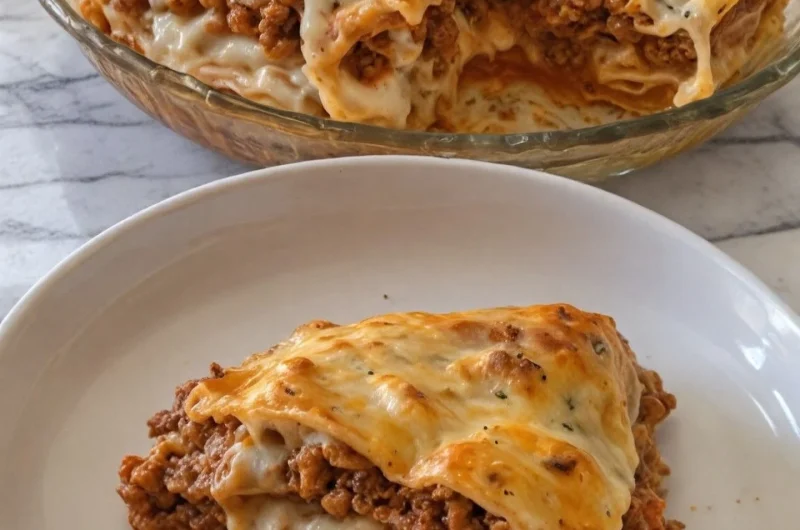
Classic Lasagna with Ricotta, Mozzarella and Marinara
8
servings25
minutes45
minutes420
kcalA comforting baked lasagna layered with seasoned meat sauce, creamy egg-set ricotta, and melted mozzarella. Rests 20 minutes for clean, sliceable squares every single time — no sliding, no mess, just classic Italian comfort.
Ingredients
Base Ingredients:
1 pound lasagna noodles (regular or no-boil)
32 ounces ricotta cheese, whole milk
1 large egg
4 cups mozzarella cheese, shredded
1 cup Parmesan cheese, freshly grated
4 cups marinara sauce (homemade or high-quality store-bought)
1 pound ground beef or Italian sausage
1 tablespoon olive oil
3 cloves garlic, minced
1 teaspoon dried oregano
1 teaspoon dried basil
1/2 teaspoon salt, plus more to taste
1/4 teaspoon black pepper
2 tablespoons fresh parsley, chopped
Optional Add-ins:
1 cup baby spinach, wilted and drained
8 ounces cremini mushrooms, sliced and sautéed
1/2 teaspoon red pepper flakes
1/4 cup dry red wine
1 tablespoon fresh basil, chiffonade, for topping
1/2 cup ricotta salata, shaved, for garnish
Directions
- Heat olive oil in a skillet over medium heat; cook garlic 30 seconds until fragrant.
- Add ground beef or sausage, breaking apart, and brown 6-8 minutes. Drain excess fat.
- Stir in marinara, oregano, basil, salt, and pepper. Add wine if using. Simmer uncovered 15 minutes.
- In a bowl, whisk ricotta with beaten egg, half the Parmesan, and a pinch of salt until smooth.
- Boil noodles in salted water 8-10 minutes until al dente. Drain and lay flat on an oiled sheet.
- Preheat oven to 375°F. Spread a thin layer of marinara in a 9×13 dish.
- Layer noodles, a third of the ricotta mixture, a third of the meat sauce, and mozzarella. Repeat twice.
- Top final layer with remaining sauce, mozzarella, and Parmesan.
- Cover with foil and bake 25 minutes. Uncover and bake 20 more minutes until golden and bubbling.
- Rest 20 minutes before slicing.
Recipe Video
Notes
- The egg in the ricotta is essential — it sets the layer so slices hold together instead of sliding apart.
- Don’t skip the 20-minute rest; cutting too early causes the layers to collapse.
- No-boil noodles work well but need an extra 1/2 cup marinara sauce for enough moisture.
- Freezes well for up to 3 months in individually wrapped portions.
- Can be assembled a day ahead and refrigerated; add 10-15 minutes to covered bake time if starting cold.