There’s a reason certain desserts never lose their spot at the table, and carrot cake is one of them. Warm spices, tender crumb, and that unmistakable cream cheese frosting have made it a classic for generations. But what happens when you take that beloved cake and merge it with an equally iconic dessert?
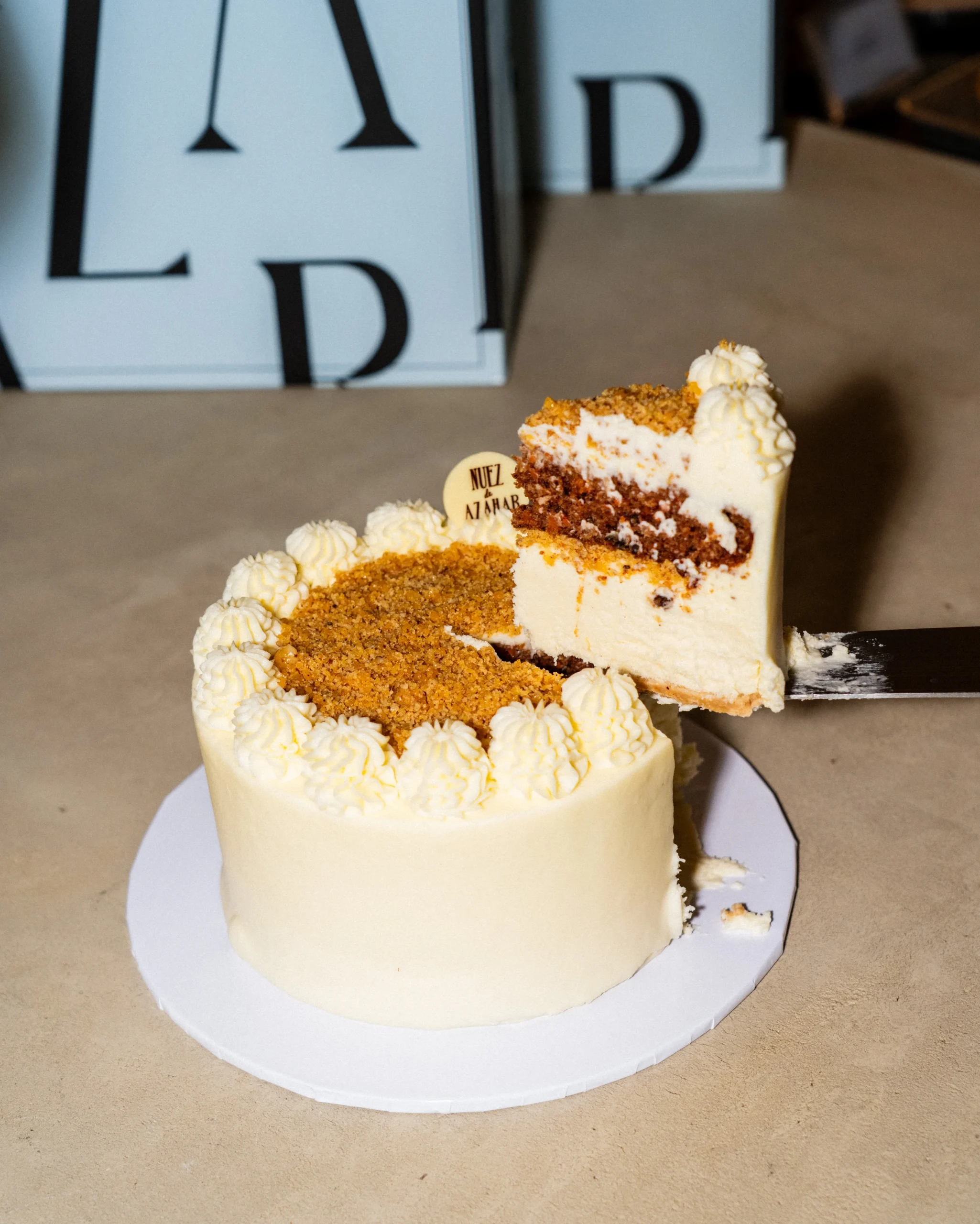
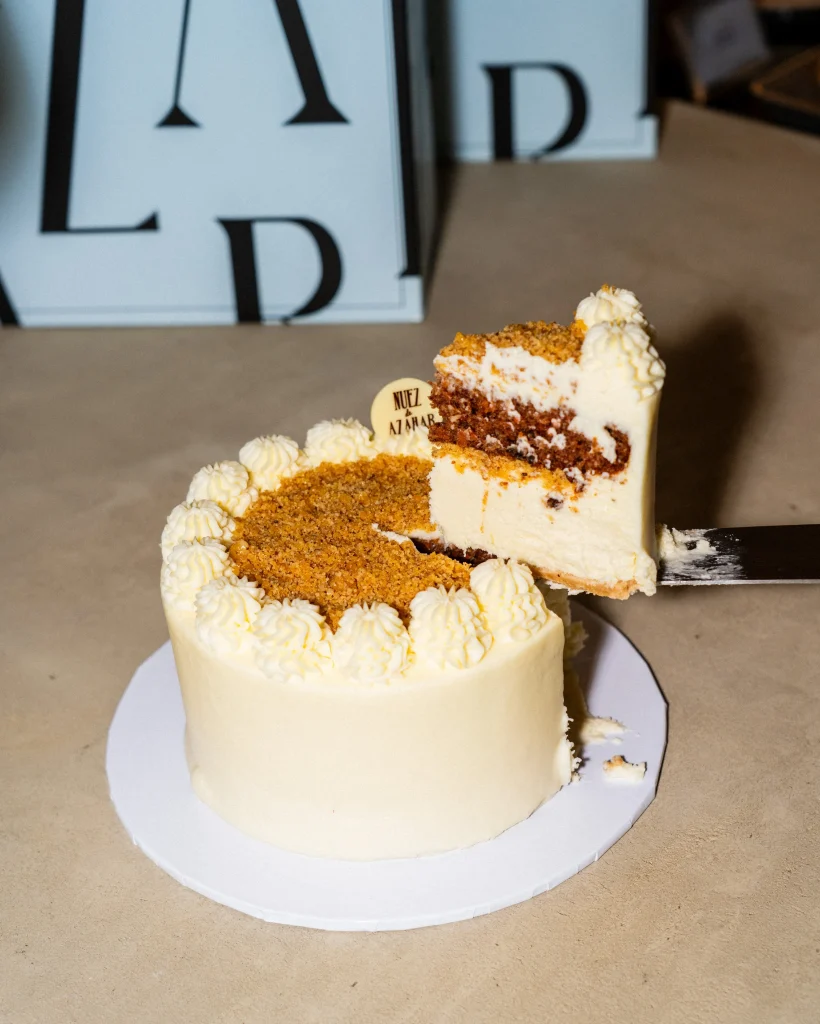
You get carrot cake cheesecake, a dessert that doesn’t ask you to choose sides. It layers a spiced, moist carrot cake base beneath a rich, tangy cheesecake filling, then finishes with a whisper of cream cheese frosting on top. Every bite delivers contrast: dense and creamy, spiced and smooth, familiar and new.
This isn’t a novelty mashup thrown together for shock value. The two desserts share a natural affinity, built around the same cream cheese backbone, which means the flavors marry rather than compete. The result feels intentional, refined, and worth the extra effort.
Whether you’re planning a holiday centerpiece or simply craving something more memorable than a standard slice of cake, this recipe delivers. It’s structured, tested, and written to help you get bakery-quality results in your own kitchen, no pastry degree required.
Ingredients You’ll Need
Great desserts rarely rely on obscure ingredients, and this one is no exception. What sets this recipe apart is technique, not a shopping list full of specialty items.
One of the things I love about this recipe is that it uses simple pantry ingredients. You probably already have most of them in your kitchen.
Base Ingredients:
- 1 1/2 cups finely grated carrots
- 1 1/2 cups all-purpose flour
- 1 cup granulated sugar
- 1/2 cup packed brown sugar
- 3/4 cup vegetable oil
- 3 large eggs
- 1 teaspoon ground cinnamon
- 1/2 teaspoon ground nutmeg
- 1 teaspoon baking soda
- 1/2 teaspoon baking powder
- 1/2 teaspoon salt
- 1 teaspoon vanilla extract
- 24 ounces cream cheese, softened
- 1 cup granulated sugar (for filling)
- 3 large eggs (for filling)
- 1/2 cup sour cream
- 1 teaspoon vanilla extract (for filling)
Optional Add-ins:
- 1/2 cup chopped walnuts or pecans
- 1/3 cup crushed pineapple, drained
- 1/3 cup raisins or golden sultanas
- 1/4 cup shredded coconut
- 1/2 teaspoon ground ginger
- 4 ounces white chocolate, melted and swirled into filling
Step-by-Step Instructions
Prepare the Carrot Cake Base
Preheat your oven to 325°F and grease a 9-inch springform pan, wrapping the exterior in foil to prevent leaks. Whisk together flour, cinnamon, nutmeg, baking soda, baking powder, and salt in a bowl. In a separate bowl, beat sugars, oil, eggs, and vanilla until smooth. Fold in the dry ingredients, then stir in grated carrots and any nuts or add-ins. Pour the batter into the pan and bake for 20 minutes, just until the edges begin to set but the center remains slightly underbaked.
Make the Cheesecake Filling
While the base bakes, beat softened cream cheese until completely smooth and lump-free, scraping the bowl often. Gradually add sugar, beating on low speed to avoid excess air. Add eggs one at a time, mixing just until incorporated after each addition. Stir in sour cream and vanilla until the batter turns silky and uniform. Avoid overmixing at this stage, since too much air can cause cracking later. The filling should look glossy, thick, and pourable, similar in texture to a rich pancake batter.
Assemble and Bake
Remove the partially baked carrot cake base from the oven and let it cool for five minutes. Pour the cheesecake filling directly over the warm base, smoothing the top with a spatula. Place the springform pan inside a larger roasting pan and add hot water halfway up the sides for a gentle water bath. Bake at 325°F for 55 to 65 minutes, until the edges are set and the center has a slight jiggle. Turn off the oven and let the cheesecake rest inside with the door cracked for one hour.
Chill and Finish
Once cooled to room temperature, transfer the cheesecake to the refrigerator uncovered for at least four hours, though overnight is ideal for clean slices. This resting period allows the texture to fully set and the flavors to deepen. Before serving, run a thin knife around the edge and release the springform ring carefully. Top with a light layer of cream cheese frosting or a simple dusting of cinnamon, then slice with a warm, clean knife between each cut for neat, bakery-style presentation.
Cook Time
Total:
Approximately 6 hours, including chilling time
Prep:
25 minutes
Bake:
80 minutes combined for both layers
Servings
This recipe makes approximately 12 generous slices, making it well suited for gatherings, holiday tables, or a dessert that stretches across several days of enjoyment. The dense, layered structure means portions can be modest without feeling skimpy, since both the cake and cheesecake layers are rich enough to satisfy on their own.
For smaller households, the cheesecake slices beautifully and keeps well individually wrapped, so there’s no pressure to finish it in one sitting. It also freezes in single portions, giving you a make-ahead dessert ready whenever a craving strikes.
Makes approximately 12 slices from a standard 9-inch springform pan, with each slice offering a substantial, café-style portion rather than a thin sliver.
Common Mistakes in This Recipe
The most frequent error is overbaking the cheesecake layer, which leads to a dry, cracked surface and a grainy texture instead of the silky finish this dessert is known for. Bakers often mistake a slight jiggle in the center for underdoneness and leave it in too long, when in reality that jiggle is exactly what indicates proper doneness once it sets during cooling.
Another common issue is skipping the water bath, which many home bakers see as an optional step. Without it, the cheesecake bakes unevenly and is far more prone to surface cracking from rapid temperature changes.
Overmixing the batter after adding eggs introduces excess air, which expands during baking and collapses during cooling, creating sunken centers. Finally, slicing the cheesecake too soon, before it has fully chilled, results in messy, uneven layers that don’t hold their shape.
Solutions to Common Mistakes
To avoid overbaking, rely on visual cues rather than a strict timer. The cheesecake is done when the outer two inches look set and only the very center still wobbles slightly when the pan is gently shaken.
Always use a water bath, and make sure the springform pan is wrapped tightly in foil to prevent leaks. This gentle, even heat is what protects the surface from cracking and drying out.
When mixing the filling, switch to low speed once eggs are added, and stop as soon as each one is incorporated. This keeps the batter dense and smooth rather than airy.
Finally, resist the urge to slice early. A minimum four-hour chill, ideally overnight, allows the layers to firm up completely for clean, defined slices every time.
Nutritional Information (approx. per serving)
- Calories: 420 kcal
- Protein: 7g
- Carbohydrates: 34g
- Sugars: 24g
- Total Fat: 29g
- Saturated Fat: 14g
- Fiber: 1.5g
- Sodium: 310mg
Carrots contribute more to this dessert than color and moisture. They bring natural beta-carotene, a nutrient the body converts into vitamin A, which supports eye health and immune function even within an indulgent dessert context.
The cream cheese layer, while rich, also provides a meaningful dose of protein and calcium per serving, helping this dessert feel slightly more substantial than a typical sugar-heavy treat.
Using warm spices like cinnamon and nutmeg isn’t just about flavor. Both spices carry antioxidant properties and have long been associated with modest anti-inflammatory benefits when consumed regularly in the diet.
Portion control naturally works in your favor here, since the density of this cheesecake means a single slice feels satisfying, reducing the likelihood of reaching for seconds compared to lighter, fluffier desserts.
Storage Instructions
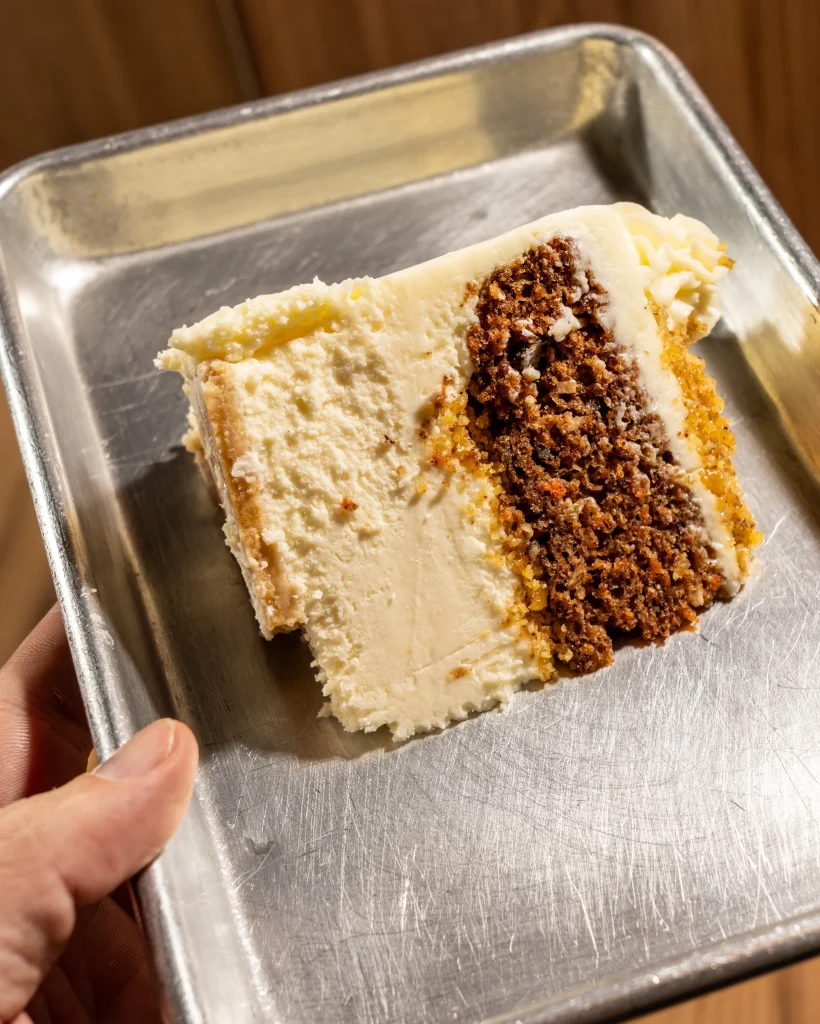
This cheesecake stores exceptionally well, which makes it a practical choice for entertaining ahead of time. Once fully chilled, cover the springform pan tightly with plastic wrap or transfer slices to an airtight container.
Refrigerated, the cheesecake stays fresh for up to five days, with flavor and texture actually improving after the first full day of chilling as the layers continue to meld.
For longer storage, wrap individual slices tightly in plastic wrap followed by foil, then freeze for up to two months. Thaw overnight in the refrigerator rather than at room temperature to preserve texture.
Avoid leaving the cheesecake at room temperature for more than two hours at a time, since the cream cheese base is highly perishable and susceptible to spoilage in warm conditions.
Suggestions
Serve this cheesecake slightly chilled rather than ice-cold, as a brief ten-minute rest at room temperature before slicing allows the flavors and creamy texture to fully open up.
A drizzle of salted caramel or a light dusting of toasted, chopped pecans adds textural contrast and elevates the presentation without overwhelming the balance of flavors already built into the recipe.
For a lighter finish, swap the cream cheese frosting topping for a simple whipped cream dollop with a touch of cinnamon, which keeps sweetness levels in check for those preferring a subtler dessert.
Pair each slice with a strong coffee or spiced chai, both of which complement the warm spice notes and cut through the richness of the cream cheese layers beautifully.
Seasonal Relevance
While carrot cake is traditionally associated with spring and Easter gatherings, this cheesecake hybrid works exceptionally well across the entire fall and winter holiday season, thanks to its warm spice profile.
Thanksgiving and Christmas dessert tables benefit from a dish that feels festive yet distinct from the usual pumpkin pie lineup, giving guests a familiar flavor presented in an unexpected format.
Spring celebrations, including Easter brunches, remain a natural fit as well, particularly when the top is finished with a light cream cheese frosting and a few candied carrot curls for decoration.
Because the flavor profile isn’t tied to a single season’s produce, this dessert transitions smoothly year-round, making it a dependable recipe to keep in rotation regardless of the calendar.
Final Words
Carrot cake cheesecake earns its place as more than a passing trend. It represents thoughtful dessert-making, where two beloved classics are combined with genuine attention to texture, balance, and technique rather than novelty alone.
What makes this recipe worth the extra time is how forgiving it becomes once you understand the key checkpoints: proper mixing, a reliable water bath, and patience during the chilling stage.
This is a dessert built for repetition. Once mastered, it becomes a reliable centerpiece for holidays, celebrations, or simply a weekend baking project that yields genuinely impressive results.
Give it the time it deserves, and it will reward you with a dessert that looks as intentional as it tastes, memorable enough to become a recurring request at every gathering.
Frequently Asked Questions
Can I make this cheesecake without a water bath?
It’s possible, but not recommended. Without a water bath, the cheesecake bakes unevenly and is far more prone to surface cracking. If you must skip it, place a pan of hot water on the oven rack below for added humidity.
Why did my cheesecake layer sink in the middle after cooling?
This typically happens from overmixing the batter, which traps excess air, or from a sudden temperature change when removed from the oven too quickly. Cooling gradually inside the oven with the door cracked helps prevent this.
Can I use a boxed carrot cake mix for the base layer?
Yes, a quality boxed mix works as a shortcut for the base layer. Prepare it as directed, then follow the same partial-bake and layering process outlined in this recipe for consistent results.
Carrot Cake Cheesecake: The Perfect Combination of Two Favorites
12
servings25
minutes1
hour20
minutes420
kcalCarrot cake cheesecake combines moist, spiced carrot cake with a rich, tangy cheesecake layer and a light cream cheese frosting. This impressive dessert delivers the perfect balance of creamy, spiced, and sweet flavors for holidays or special occasions.
Ingredients
1 1/2 cups finely grated carrots
1 1/2 cups all-purpose flour
1 cup granulated sugar
1/2 cup packed brown sugar
3/4 cup vegetable oil
3 large eggs
1 teaspoon ground cinnamon
1/2 teaspoon ground nutmeg
1 teaspoon baking soda
1/2 teaspoon baking powder
1/2 teaspoon salt
1 teaspoon vanilla extract
24 ounces cream cheese, softened
1 cup granulated sugar, for filling
3 large eggs, for filling
1/2 cup sour cream
1 teaspoon vanilla extract, for filling
Directions
- Preheat oven to 325°F and grease a 9-inch springform pan. Wrap the outside with foil.
- Whisk flour, cinnamon, nutmeg, baking soda, baking powder, and salt.
- Beat sugars, oil, eggs, and vanilla until smooth.
- Fold in dry ingredients, then add grated carrots and optional add-ins.
- Pour into the pan and bake for 20 minutes, until edges are set.
- Beat softened cream cheese until smooth.
- Gradually add sugar, then eggs one at a time.
- Stir in sour cream and vanilla until smooth.
- Cool the carrot cake base for 5 minutes, then pour cheesecake filling over it.
- Place the pan in a roasting pan and add hot water halfway up the sides.
- Bake at 325°F for 55–65 minutes, until edges are set and center slightly jiggles.
- Turn off oven and leave cheesecake inside with the door cracked for 1 hour.
- Cool to room temperature, then refrigerate for at least 4 hours or overnight.
- Top with cream cheese frosting or cinnamon before serving.
Recipe Video
Notes
- Use finely grated fresh carrots.
- Do not overmix the cheesecake filling.
- Always use a water bath for even baking.
- Cool the cheesecake gradually to prevent cracking.
- Chill for at least 4 hours before slicing.
- Store refrigerated for up to 5 days.
- Freeze individual slices for up to 2 months.