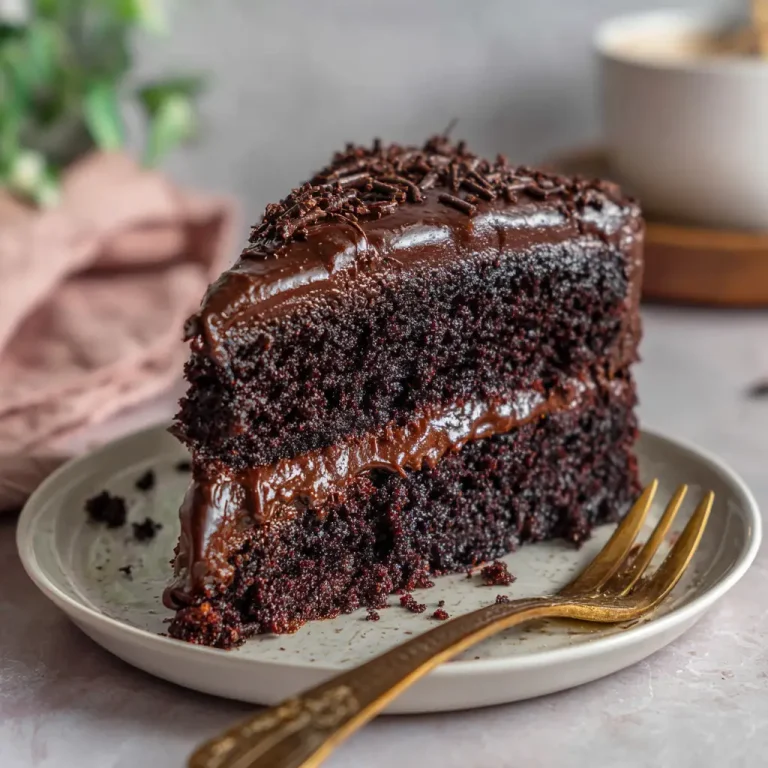
There is a particular kind of magic in a loaf cake that emerges from the oven with a golden, cracked top and the unmistakable perfume of fresh lemon filling the kitchen. This lemon loaf cake is not just another citrus dessert; it is the kind of bake that turns an ordinary afternoon into something worth remembering.
What sets this recipe apart is the balance it strikes. The crumb stays impossibly moist for days, never dry or crumbly, while the glaze adds a bright, sugary finish that seeps just slightly into the top of the cake. It is comforting yet refined, simple enough for a weekday treat but elegant enough for guests.
I have tested this recipe more times than I can count, adjusting ratios of butter to buttermilk, fine-tuning the zest-to-juice balance, and timing the bake precisely so the center sets without drying the edges. What you get here is the version that consistently works, every single time.
Whether you are baking for a Sunday brunch, a holiday table, or simply craving something citrusy and sweet, this loaf delivers. Let’s get into what makes it so good, starting with the ingredients.
Ingredients You’ll Need
Great lemon loaf cake starts long before the oven turns on; it starts with ingredients that actually respect the fruit at the center of this recipe. Here is everything you need to bring this loaf to life.
One of the things I love about this recipe is that it uses simple pantry ingredients. You probably already have most of them in your kitchen.
Base Ingredients
- 1 ½ cups all-purpose flour
- 1 teaspoon baking powder
- ¼ teaspoon baking soda
- ½ teaspoon salt
- ½ cup unsalted butter, softened
- 1 cup granulated sugar
- 2 large eggs
- 2 tablespoons lemon zest
- ⅓ cup fresh lemon juice
- ½ cup buttermilk
- 1 teaspoon vanilla extract
- 1 cup powdered sugar (for glaze)
- 2 tablespoons lemon juice (for glaze)
Optional Add-ins
- 1 tablespoon poppy seeds
- ½ teaspoon almond extract
- 2 tablespoons cream cheese (for a richer glaze)
- ¼ cup white chocolate chips
- 1 teaspoon lemon extract for extra intensity
Step-by-Step Instructions

Prepare the Pan and Oven
Preheat your oven to 350°F (175°C) and position the rack in the center. Grease a standard 9×5-inch loaf pan generously with butter or nonstick spray, then line it with parchment paper, leaving an overhang on the long sides. This overhang makes lifting the finished loaf out effortless. Set the pan aside while you prepare the batter. Taking this step seriously prevents sticking and ensures clean, even slices later. A well-prepared pan is the unsung hero of a beautiful, professional-looking loaf cake.
Cream the Butter and Sugar
In a large mixing bowl, beat the softened butter and granulated sugar together until the mixture turns pale and fluffy, about three minutes. This step incorporates air into the batter, which is essential for a light, tender crumb rather than a dense one. Scrape down the sides of the bowl as needed. Add the lemon zest at this stage and beat briefly so its oils release into the fat, distributing citrus flavor evenly throughout the entire batter rather than leaving it concentrated in pockets.
Add Eggs and Wet Ingredients
Add the eggs one at a time, beating well after each addition until fully incorporated. Pour in the lemon juice, buttermilk, and vanilla extract, mixing on low speed just until combined. The batter may look slightly curdled at this point because of the acidity from the lemon juice meeting the fat; this is completely normal and will smooth out once the dry ingredients are folded in during the next step.
Combine Dry Ingredients
In a separate bowl, whisk together the flour, baking powder, baking soda, and salt until evenly distributed. Gradually fold this dry mixture into the wet batter using a spatula, mixing gently and only until no streaks of flour remain. Overmixing at this stage activates gluten and leads to a tougher, denser loaf, so stop as soon as the batter looks uniform. If using poppy seeds, fold them in now.
Bake to Golden Perfection
Pour the batter into the prepared loaf pan, smoothing the top with a spatula. Bake for 50 to 55 minutes, or until a toothpick inserted into the center comes out clean or with a few moist crumbs. The top should be golden brown with a characteristic crack down the middle. Avoid opening the oven door during the first 30 minutes, as this can cause the loaf to sink in the center.
Cool and Glaze
Let the loaf cool in the pan for 15 minutes before lifting it out using the parchment overhang. Transfer to a wire rack to cool completely. Once cooled, whisk powdered sugar with lemon juice until smooth and pourable, then drizzle generously over the top, letting it drip down the sides. Allow the glaze to set for 10 minutes before slicing and serving.
Cook Time
Total
1 hour 15 minutes
Prep
20 minutes
Bake
55 minutes
Servings
This recipe makes approximately 10 generous slices from a single 9×5-inch loaf, making it ideal for small gatherings, afternoon tea, or a week of satisfying breakfasts and snacks. Each slice offers the perfect balance of moist cake and sweet glaze without being overly rich, which is why it disappears quickly whenever I bring it to a table.
If you are feeding a larger crowd, this recipe doubles beautifully into two loaves without any adjustment to bake time, though you may need to rotate pans halfway through baking for even browning.
For smaller households, the loaf freezes exceptionally well, so portioning it into individual slices before freezing allows you to enjoy fresh-tasting cake weeks later without any waste or last-minute baking pressure.
Common Mistakes in This Recipe
The most frequent mistake bakers make is using cold butter or eggs straight from the refrigerator. Cold ingredients do not emulsify properly, resulting in a batter that looks curdled and bakes into a denser, less airy loaf than intended.
Another common issue is overmixing the batter once the flour is added. Many home bakers continue stirring well past the point of combination, developing gluten strands that turn what should be a tender crumb into something closer to bread.
Overbaking is also a frequent culprit behind dry lemon loaf cake. Because ovens vary significantly, relying solely on the suggested bake time without checking doneness with a toothpick often leads to a cake that dries out on the edges.
Finally, many people glaze the cake while it is still warm, causing the glaze to melt entirely into the crumb instead of setting into that signature sweet, slightly crisp layer on top.
Solutions to Common Mistakes
To avoid the curdling issue, always bring butter, eggs, and buttermilk to room temperature at least 30 minutes before baking. This simple step ensures a smooth, well-emulsified batter every time.
When folding in the dry ingredients, use a rubber spatula rather than an electric mixer, and stop the moment no flour streaks remain visible. A few small lumps are far better than an overmixed batter.
Combat overbaking by checking your loaf five minutes before the recommended time and every few minutes afterward. Insert a toothpick into the very center; it should come out with a few moist crumbs, not wet batter, but also not completely dry.
Lastly, be patient and let the loaf cool completely, ideally to room temperature, before applying the glaze. This preserves the glaze’s structure and gives you those beautiful, defined drips down the sides.
Nutritional Information (approx. per serving)
- Calories: 240
- Total Fat: 9g
- Saturated Fat: 5g
- Carbohydrates: 37g
- Sugars: 24g
- Protein: 3g
- Sodium: 140mg
- Fiber: 0.5g
Lemon, the star of this loaf, is naturally rich in vitamin C, which supports immune function and skin health, making this dessert a slightly brighter choice among sweet baked goods.
The use of buttermilk not only tenderizes the crumb but also introduces beneficial probiotics and a modest calcium boost compared to recipes relying solely on regular milk or cream.
Because this recipe uses measured, moderate sugar rather than excessive amounts, it offers a satisfying sweetness without the heavy sugar crash associated with many other glazed desserts.
Eggs contribute quality protein and essential amino acids, helping to make this treat feel a little more substantial and satisfying than an empty-calorie snack, especially when paired with tea or coffee.
Storage Instructions
Store the lemon loaf cake at room temperature in an airtight container for up to three days. Keeping it covered prevents the glaze from hardening excessively while maintaining the cake’s signature moist texture.
For longer storage, refrigerate the loaf in an airtight container for up to one week. Allow refrigerated slices to sit at room temperature for about 15 minutes before serving to restore their soft texture and full flavor.
This cake also freezes remarkably well. Wrap individual slices tightly in plastic wrap, then place them in a freezer-safe bag or container for up to three months without any noticeable loss in quality.
When ready to enjoy a frozen slice, thaw it at room temperature for about an hour, or microwave briefly in 10-second intervals until soft and slightly warm, which also revives the citrus aroma beautifully.
Suggestions
For an extra layer of flavor, consider adding a thin layer of lemon curd between two halves of a horizontally sliced loaf, transforming it into an impressive layered dessert with minimal additional effort.
Pairing suggestions matter more than people realize; this loaf is excellent alongside a strong cup of Earl Grey tea or a bright espresso, both of which complement the citrus notes without overwhelming them.
If you enjoy texture contrast, toast a slice lightly under the broiler for a minute or two before glazing, creating a slightly crisp edge that plays beautifully against the soft, moist interior.
For gifting, wrap the cooled, glazed loaf in parchment paper and twine, or slice it and arrange pieces in a decorative box lined with wax paper for a thoughtful, homemade presentation that feels genuinely special.
Seasonal Relevance
While lemon desserts are often associated with spring and summer, this loaf cake genuinely earns a place on the table year-round, offering a bright contrast during the darker, colder months of the year.
In spring, it pairs naturally with fresh berries and light brunch spreads, capturing the season’s renewal with its citrus brightness and delicate crumb, making it a popular choice for Easter and Mother’s Day gatherings.
During summer, it works beautifully as a lighter alternative to heavier chocolate desserts, especially when served slightly chilled alongside iced tea or lemonade on warm afternoons spent outdoors with family and friends.
Even in winter, the concentrated citrus flavor offers a welcome brightness against rich holiday menus, making it a thoughtful addition to dessert tables that might otherwise lean too heavily into spice and chocolate.
Final Words
This lemon loaf cake represents everything I love about home baking: a handful of honest ingredients, a straightforward process, and a result that consistently exceeds expectations. It is proof that simple recipes, executed carefully, outperform complicated ones.
What keeps me returning to this particular recipe is its reliability. Whether I am baking for guests or simply craving something sweet on a quiet afternoon, it delivers the same moist crumb and bright glaze every single time without fail.
I encourage you to make this recipe your own over time. Adjust the zest, experiment with the optional add-ins, and find the version that feels most like yours while keeping the fundamental technique intact.
Baking, at its best, is both a science and a personal expression. This lemon loaf cake gives you a dependable foundation to build on, one golden, citrus-scented slice at a time.
Frequently Asked Questions
Can I use bottled lemon juice instead of fresh lemons?
Fresh lemon juice is strongly recommended because it delivers brighter, more natural flavor and pairs with fresh zest for aromatic depth. Bottled juice often tastes flat or slightly metallic, which noticeably dulls the finished cake’s overall citrus character and appeal.
Why did my loaf sink in the middle after baking?
This usually happens from underbaking, opening the oven door too early, or using expired baking powder. Always test doneness with a toothpick and avoid disturbing the oven during the first 30 minutes to maintain proper structure throughout baking.
Can I make this recipe dairy-free?
Yes, substitute the butter with a plant-based alternative and replace buttermilk with a mixture of dairy-free milk and one tablespoon of lemon juice or vinegar. The texture remains similar, though the crumb may be slightly less rich.

Moist Lemon Loaf Cake with a Sweet Glaze
10
servings20
minutes55
minutes240
kcalA buttery, moist lemon loaf bursting with fresh citrus flavor, topped with a sweet, tangy glaze. Simple pantry ingredients come together for a bright, tender cake perfect for any season or occasion.
Ingredients
Base Ingredients
1 ½ cups all-purpose flour
1 teaspoon baking powder
¼ teaspoon baking soda
½ teaspoon salt
½ cup unsalted butter, softened
1 cup granulated sugar
2 large eggs
2 tablespoons lemon zest
⅓ cup fresh lemon juice
½ cup buttermilk
1 teaspoon vanilla extract
1 cup powdered sugar (for glaze)
2 tablespoons lemon juice (for glaze)
Optional Add-ins
1 tablespoon poppy seeds
½ teaspoon almond extract
2 tablespoons cream cheese (for a richer glaze)
¼ cup white chocolate chips
1 teaspoon lemon extract for extra intensity
Directions
- Preheat oven to 350°F (175°C); grease and line a 9×5-inch loaf pan with parchment paper.
- Beat softened butter and sugar until pale and fluffy; mix in lemon zest.
- Add eggs one at a time, then mix in lemon juice, buttermilk, and vanilla extract.
- Whisk flour, baking powder, baking soda, and salt separately; fold gently into wet batter until just combined.
- Fold in poppy seeds if using; pour batter into prepared pan and smooth the top.
- Bake for 50–55 minutes, until a toothpick comes out clean and the top is golden with a center crack.
- Cool in the pan for 15 minutes, then transfer to a wire rack to cool completely.
- Whisk powdered sugar with lemon juice until smooth; drizzle over the fully cooled loaf.
- Let glaze set for 10 minutes before slicing and serving.
Recipe Video
Notes
- Use room-temperature butter, eggs, and buttermilk to prevent a curdled batter.
- Avoid overmixing once flour is added to keep the crumb tender
- Check doneness a few minutes early, as oven temperatures vary.
- Glaze only after the loaf has cooled completely for clean, set drips.
- Store at room temperature up to 3 days, refrigerate up to 1 week, or freeze up to 3 months.