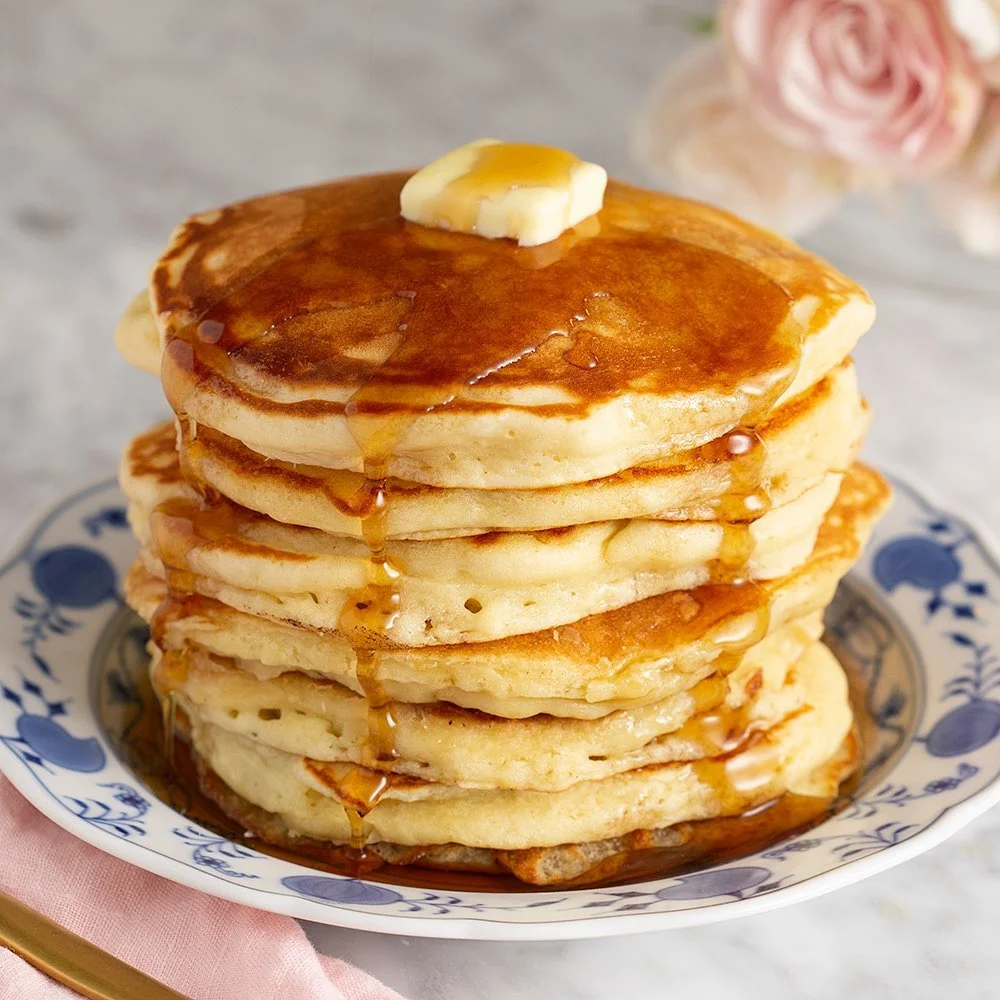
There is a specific kind of morning magic that happens when a stack of pancakes rises tall, golden, and impossibly soft on your plate. Most home cooks chase this result for years, often blaming their pan or their luck, when the real answer lies in technique and ratio, not mystery.
This recipe strips away the guesswork. It relies on a handful of pantry staples, a few precise moments of mixing, and one small trick that keeps the batter airy instead of dense. You will not need buttermilk substitutes, unusual flours, or a stand mixer to get there.
What makes this version different is restraint. Overmixed batter is the single biggest reason pancakes turn out flat and chewy, and this method is built specifically to avoid that trap from the very first stir.
By the end of this article, you will have a foolproof formula you can repeat every weekend, along with the exact mistakes to avoid and the fixes that rescue a batch gone wrong. Consider this your last pancake recipe search.
Ingredients You’ll Need
Great pancakes do not hide behind fancy ingredients, they earn their fluff from balance, and once you understand that balance, this recipe becomes second nature. One of the things I love about this recipe is that it uses simple pantry ingredients. You probably already have most of them in your kitchen.
Base Ingredients
- 1 1/2 cups all-purpose flour
- 3 1/2 teaspoons baking powder
- 1 teaspoon salt
- 1 tablespoon granulated sugar
- 1 1/4 cups milk
- 1 large egg
- 3 tablespoons unsalted butter, melted
- 1 teaspoon vanilla extract
Optional Add-ins
- 1/2 cup blueberries
- 1/2 cup chocolate chips
- 1 teaspoon ground cinnamon
- 1/2 cup mashed ripe banana
- 1/4 cup chopped walnuts
- 1 teaspoon lemon zest
Step-by-Step Instructions
Whisk the Dry Ingredients
In a large mixing bowl, combine the flour, baking powder, salt, and sugar. Whisk them together thoroughly so the leavening agent distributes evenly throughout the flour. This step matters more than most people realize, because clumped baking powder leads to uneven rising and pancakes that puff unevenly across the surface. Take thirty extra seconds here. A clean, even dry mixture is the quiet foundation of a batter that will rise consistently once it hits the hot pan, giving you that signature tall and fluffy texture in every single pancake.
Combine the Wet Ingredients
In a separate bowl, whisk the milk, egg, melted butter, and vanilla extract until fully blended and slightly frothy. Make sure the melted butter has cooled slightly before adding it, since hot butter can scramble the egg on contact. This mixture should look smooth and pale yellow, with no visible streaks of egg white remaining. Keeping the wet and dry ingredients separate until the very last moment is essential, as it prevents premature gluten development and sets you up for the gentle folding stage that follows next.
Fold, Don’t Stir
Pour the wet mixture into the dry ingredients all at once. Using a spatula, fold gently just until the flour disappears, roughly ten to twelve strokes. Small lumps are not a flaw here, they are a feature. Overworking the batter activates gluten strands that tighten the crumb and flatten the rise. Stop as soon as no dry flour is visible, even if the batter looks slightly uneven. This restraint is the exact reason these pancakes stay tender and cloud-like instead of turning rubbery on the plate.
Rest the Batter
Let the batter sit undisturbed for five to ten minutes before cooking. During this short rest, the baking powder begins activating and the flour fully hydrates, which noticeably improves texture. If you are adding blueberries, chocolate chips, or banana, fold them in gently right at the end of this rest period rather than earlier, so they do not bleed color or sink unevenly. This pause feels unnecessary but skipping it is one of the most common reasons pancakes turn out thinner than expected.
Cook Low and Steady
Heat a non-stick skillet or griddle over medium-low heat and lightly grease it with butter. Pour a scant quarter cup of batter per pancake, leaving space between each one. Cook until bubbles form across the surface and the edges look set, about two to three minutes. Flip once, gently, and cook the second side for another one to two minutes until golden. Resist pressing down with the spatula, since that flattens the airy structure you worked to build in every earlier step.
Cook Time
Total
25 minutes
Prep
10 minutes
Bake
15 minutes
Servings
This recipe yields a generous batch perfect for a family breakfast or a lazy weekend brunch with guests. Makes approximately 12 medium pancakes, each about four inches wide, which comfortably serves four people at three pancakes per plate.
If you are cooking for a smaller household, the batter halves cleanly without affecting texture, and leftover pancakes freeze beautifully for later. For larger gatherings, the recipe also doubles well, though it is best cooked in batches to maintain consistent griddle temperature.
Portion sizes can flex depending on appetite and what you are serving alongside them, whether that is crispy bacon, fresh fruit, or a simple dusting of powdered sugar. Adjust freely without worrying about the science behind the batter.
Common Mistakes in This Recipe
The most frequent misstep is overmixing the batter until it turns completely smooth. Home cooks often assume a lump-free batter signals readiness, but this actually overdevelops gluten and produces dense, chewy pancakes instead of light ones.
Another common error is cooking on heat that is too high. This browns the outside quickly while leaving the center undercooked and gummy, since the inside never gets enough time to fully set before the surface burns.
Many people also skip measuring the baking powder precisely, eyeballing it instead. Baking powder is the entire engine behind the rise, and even a small shortage noticeably flattens the final texture.
Lastly, flipping pancakes too early, before bubbles fully form on the surface, is a mistake that leads to torn, unevenly cooked pancakes that fall apart when you try to turn them over on the pan.
Solutions to Common Mistakes
To avoid overmixing, fold the batter with a spatula using slow, deliberate strokes and stop the moment the flour streaks disappear. Small lumps are completely fine and will smooth out naturally during cooking.
For heat control, keep your skillet at a steady medium-low setting throughout the entire cooking process. If pancakes brown too fast, lower the heat slightly and give the batter more time to cook through evenly.
Always measure baking powder with a proper measuring spoon rather than estimating, and check that it has not expired, since older baking powder loses potency and directly weakens the rise you are hoping for.
Wait for bubbles to form across the entire surface and the edges to look matte before flipping. This visual cue reliably signals that the pancake is structurally ready to be turned without tearing.
Nutritional Information (approx. per serving)
- Calories: 210 kcal
- Protein: 6 g
- Carbohydrates: 28 g
- Fat: 8 g
- Fiber: 1 g
- Sugar: 5 g
- Sodium: 380 mg
Beyond taste, this recipe offers a reasonable balance of carbohydrates and protein that helps sustain energy through a busy morning without a heavy, sluggish feeling afterward. The egg contributes a meaningful protein boost, while milk adds calcium that supports bone health over time.
Using whole milk or a plant-based alternative gives you flexibility to adjust the fat content based on your dietary preferences, without compromising the final texture significantly.
Adding fruit like blueberries or banana naturally increases fiber and antioxidant content, turning an indulgent breakfast into something with genuine nutritional value alongside its comfort-food appeal.
Portion control remains simple here, since each pancake is calorically modest on its own, making it easy to build a balanced plate with protein or fruit on the side.
Storage Instructions
Cooked pancakes keep well in the refrigerator for up to three days when stored in an airtight container, ideally with parchment paper separating each layer to prevent sticking.
For longer storage, freeze pancakes in a single layer on a baking sheet until firm, then transfer them to a freezer bag. This method prevents clumping and preserves texture for up to two months.
Reheat refrigerated or frozen pancakes in a toaster or oven at 350°F for a few minutes, which restores crispness at the edges far better than a microwave does.
Avoid stacking warm pancakes directly into storage containers, since trapped steam creates sogginess. Let them cool completely on a wire rack first for the best texture after reheating.
Suggestions
Serve these pancakes with pure maple syrup and a pat of butter for a classic, comforting presentation that never goes out of style at any breakfast table.
For a fruit-forward twist, top with fresh berries, sliced bananas, and a light dusting of powdered sugar to add brightness and natural sweetness without extra effort.
If you want something richer, try a dollop of whipped cream alongside a drizzle of chocolate or caramel sauce, transforming the dish into a dessert-style brunch centerpiece.
Pair with crispy bacon, breakfast sausage, or a savory egg on the side to balance the sweetness and round out the meal into something more filling and complete.
Seasonal Relevance
In colder months, this recipe shines with warm spiced add-ins like cinnamon, nutmeg, or a swirl of pumpkin puree folded into the batter for a cozy autumn feel.
During spring and summer, fresh berries or citrus zest brighten the flavor profile, making the pancakes feel lighter and more suited to warmer, sunnier mornings.
Holiday breakfasts also benefit from this base recipe, since it can be dressed up with festive toppings like cranberry compote or a peppermint-infused whipped cream for December gatherings.
Because the core batter is neutral and adaptable, this recipe genuinely works year-round, simply shifting its personality through toppings and mix-ins depending on the season at hand.
Final Words
This pancake recipe was built to remove the guesswork that trips up so many home cooks on a Sunday morning. With the right ratios and a gentle hand, fluffy results become repeatable rather than accidental.
What makes it worth returning to is its flexibility. The base batter adapts to whatever you have on hand, whether that means fruit, spice, or a simple pat of butter and syrup.
Once you internalize the key steps, especially resting the batter and avoiding overmixing, you will find yourself making this recipe from memory, without needing to check measurements again.
Give it a try this weekend, and consider it the pancake formula you keep coming back to, long after the recipe card has been memorized by heart.
Frequently Asked Questions
Can I make the batter the night before?
It is best to mix the dry and wet ingredients separately and combine them just before cooking. Pre-mixed batter loses rising power overnight, resulting in flatter, denser pancakes than intended.
Why do my pancakes turn out pale instead of golden?
Your heat is likely too low, or the pan was not properly preheated. Test with a small drop of batter first; it should sizzle gently and set within a minute.
Can I substitute the milk with a dairy-free option?
Yes, almond, oat, or soy milk all work well as substitutes. The texture stays similar, though oat milk tends to produce a slightly richer, more tender crumb overall.
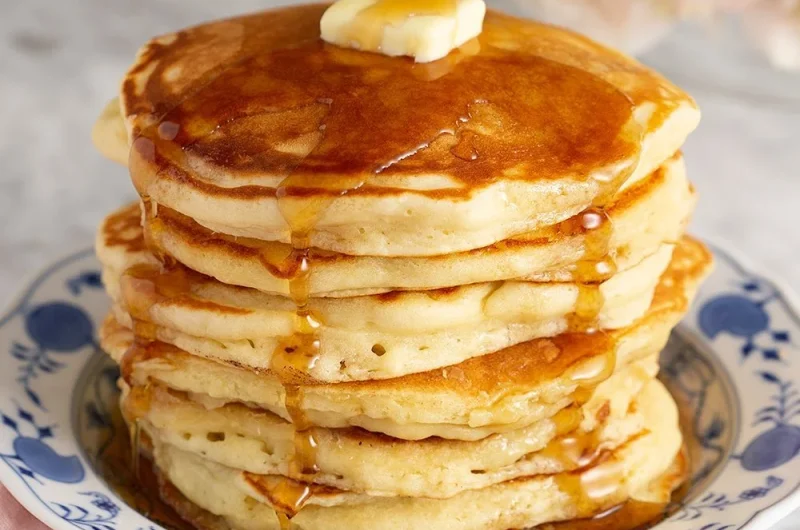
Fluffy Homemade Pancakes That Turn Out Perfect Every Time
12
servings10
minutes15
minutes210
kcalSoft, cloud-like pancakes made from simple pantry staples. This foolproof method uses gentle folding and a short rest to guarantee a tall, fluffy rise every single time you cook them.
Ingredients
Base Ingredients:
1 1/2 cups all-purpose flour
3 1/2 teaspoons baking powder
1 teaspoon salt
1 tablespoon granulated sugar
1 1/4 cups milk
1 large egg
3 tablespoons unsalted butter, melted
1 teaspoon vanilla extract
Optional Add-ins:
1/2 cup blueberries
1/2 cup chocolate chips
1 teaspoon ground cinnamon
1/2 cup mashed ripe banana
1/4 cup chopped walnuts
1 teaspoon lemon zest
Directions
- Whisk flour, baking powder, salt, and sugar together in a large bowl until evenly combined.
- In a separate bowl, whisk milk, egg, melted butter, and vanilla until smooth and slightly frothy.
- Pour wet ingredients into dry ingredients and fold gently, about 10-12 strokes, until just combined. Small lumps are fine.
- Let the batter rest for 5-10 minutes. Fold in any add-ins now, if using.
- Heat a lightly greased skillet over medium-low heat. Pour a scant 1/4 cup of batter per pancake.
- Cook 2-3 minutes until bubbles form and edges look set, then flip gently.
- Cook the second side for 1-2 minutes until golden. Serve warm.
Recipe Video
Notes
- Do not overmix the batter, small lumps ensure a fluffy texture.
- Keep the heat at medium-low for even cooking throughout.
- Use fresh baking powder for the best rise.
- Wait for bubbles to form fully before flipping to avoid tearing.
- Store leftovers in an airtight container for up to 3 days, or freeze up to 2 months.