Some breakfasts earn their reputation through complexity. Avocado toast earns its place through the opposite: restraint. It asks for good bread, ripe fruit, and a steady hand with salt, and in return it delivers something that tastes far more considered than the five minutes it takes to make.
I’ve made this recipe more times than I can count, on rushed weekday mornings and slow Sunday ones, and it has never once felt like a compromise. That consistency is rare in a dish this simple, and it’s exactly why it belongs in your regular rotation.
What separates forgettable avocado toast from the version worth writing about comes down to technique, not luck. Crisp, well-seasoned bread. Avocado mashed with intention, not just smeared. A finishing touch that adds contrast, whether that’s acid, heat, or crunch.
This guide walks through every part of that process, from choosing the right avocado to the small details that keep the dish from tasting flat. By the end, you’ll have a version that tastes like it came from a café menu, made entirely in your own kitchen.
Ingredients You’ll Need
Great avocado toast lives or dies by a handful of components, and getting each one right matters more than any fancy topping you could add on top.
Base Ingredients
- 2 slices sourdough or whole-grain bread
- 1 ripe avocado
- 1 tablespoon fresh lemon or lime juice
- 1/4 teaspoon fine sea salt
- 1/8 teaspoon freshly cracked black pepper
- 1 tablespoon extra virgin olive oil
- 1 small garlic clove (optional rub for toast)
Optional Add-ins
- 2 soft-boiled or poached eggs
- 1/4 cup cherry tomatoes, halved
- 2 tablespoons crumbled feta cheese
- 1/4 teaspoon red chili flakes
- 1 tablespoon microgreens or sprouts
- 1 tablespoon toasted sesame or pumpkin seeds
- 1/4 teaspoon flaky sea salt for finishing
Step-by-Step Instructions
Toast the Bread Properly
Start with thick-cut slices of sourdough or whole-grain bread, about half an inch thick. Toast until the exterior is deeply golden and audibly crisp, either in a toaster, under the broiler, or in a dry skillet with a touch of olive oil. If using garlic, rub a cut clove across the warm surface immediately after toasting. This step builds the structural base that keeps the toast from turning soggy once the avocado goes on.
Prepare the Avocado
Halve the avocado, remove the pit, and scoop the flesh into a small bowl. Add the lemon or lime juice right away to prevent browning and add brightness. Mash with a fork, leaving some texture rather than pureeing it smooth. Season with salt and pepper, tasting as you go. The goal is a chunky, spreadable consistency that holds its shape on the bread rather than sliding off in one motion.
Assemble and Season
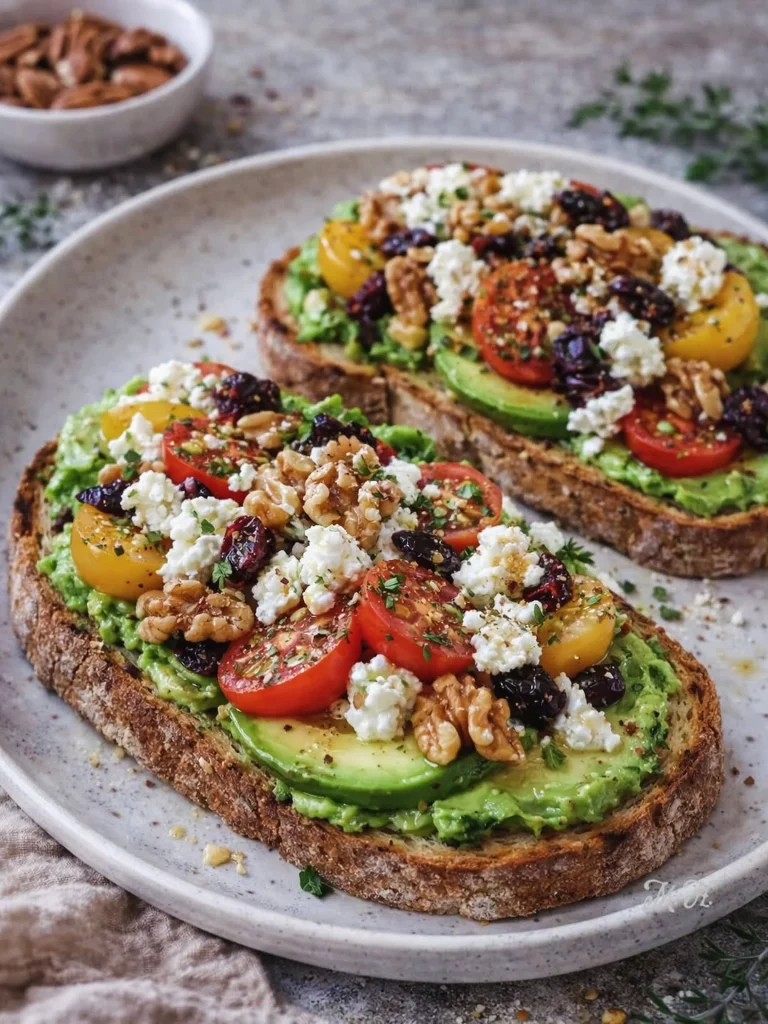
Spread the mashed avocado generously across each slice of warm toast, pushing it to the edges so every bite gets coverage. Drizzle lightly with extra virgin olive oil to add richness and sheen. This is the moment to layer in any add-ins like halved cherry tomatoes, crumbled feta, or a poached egg, arranging them thoughtfully rather than piling them in the center.
Finish with Texture and Serve
Finish with a pinch of flaky sea salt, a crack of black pepper, and chili flakes if you want heat. Scatter microgreens or toasted seeds on top for crunch and visual appeal. Serve immediately while the toast is still warm and crisp underneath the avocado. Avocado toast doesn’t hold well, so this is a dish meant to be eaten the moment it’s finished.
Cook Time
Total
10 minutes
Prep
7 minutes
Bake
3 minutes (toasting only)
Servings
This recipe makes approximately 2 servings, using two slices of bread and one medium avocado as the base. It’s easily scaled up for a larger breakfast table or scaled down for a solo morning without any real adjustment to technique.
Because the ratios are so forgiving, doubling or tripling the recipe works cleanly. One avocado reliably covers two generous slices of toast, so simply multiply by the number of people you’re feeding and keep the seasoning proportional.
This portion size is intentionally satisfying without being heavy, making it suitable as a standalone breakfast or paired with eggs and a side of fruit for a more complete meal.
Common Mistakes in This Recipe
The most frequent misstep is using an avocado that isn’t ripe enough. Underripe avocado resists mashing, tastes grassy, and lacks the creaminess that makes this dish worthwhile. On the other end, overripe avocado turns mushy and develops a fermented, off-putting flavor that no amount of seasoning can fix.
Another common error is skipping the toasting step or under-toasting the bread. Soft, barely warmed bread collapses under the weight of the avocado almost instantly, leaving you with a soggy, structurally weak base.
Under-seasoning is a quieter but equally damaging mistake. Avocado on its own is mild and slightly bland, and without adequate salt and acid, the finished toast tastes flat no matter how fresh the ingredients are.
Finally, many people prepare the toast too far in advance. Avocado oxidizes quickly once exposed to air, and pre-assembled toast left sitting will brown and turn unappetizing within thirty minutes.
Solutions to Common Mistakes
Choose an avocado that yields gently to firm pressure without feeling mushy, and check near the stem for a small patch of green rather than dark brown. If your avocados are underripe, place them in a paper bag with a banana for a day or two to speed ripening naturally.
Always toast bread until it has real structure and a deep golden color, even if that means an extra minute under the broiler. This one adjustment prevents nearly every texture complaint people have with this dish.
Season in layers rather than all at once. Add salt after mashing, taste, then add more after assembling, along with a fresh squeeze of lemon just before serving to keep flavors bright.
Assemble the toast only when you’re ready to eat it. Prep other components ahead of time if needed, but keep the avocado and bread separate until the final minute.
Nutritional Information (approx. per serving)
- Calories: 260 kcal
- Protein: 6 g
- Carbohydrates: 24 g
- Fat: 17 g
- Fiber: 8 g
- Sodium: 320 mg
Avocado brings a substantial dose of monounsaturated fat to this dish, the same type of fat associated with supporting healthy cholesterol levels and steady energy throughout the morning. Paired with whole-grain or sourdough bread, this toast also delivers a meaningful amount of dietary fiber, which supports digestion and helps extend satiety well past the typical mid-morning slump.
The fiber and healthy fat combination also plays a role in moderating blood sugar response, making this a more balanced choice than many refined-carb breakfasts. Adding an egg or a sprinkle of seeds boosts the protein content further, rounding out the meal nutritionally.
Beyond macronutrients, avocado contributes potassium, vitamin E, and folate, nutrients that are easy to under-consume in a typical Western diet. These micronutrients support everything from nerve function to skin health, adding quiet value to a dish that already tastes indulgent.
Because the ingredient list is short and largely unprocessed, this breakfast fits comfortably into most dietary patterns, including vegetarian and, without the egg, fully plant-based approaches.
Storage Instructions
Avocado toast is genuinely best eaten fresh, and I’d encourage building that expectation into your routine rather than fighting it. The bread turns soft and the avocado begins to oxidize within an hour of assembly, so treating this as a made-to-order dish will always give the best result.
If you need to prep components ahead, store mashed avocado separately in an airtight container with a thin layer of lemon juice pressed directly onto the surface to slow browning. This can hold in the refrigerator for up to a day, though color and texture will still shift slightly.
Toast bread fresh each time rather than storing it toasted, since pre-toasted bread loses crispness quickly and doesn’t reheat well without becoming tough or overly dry.
Leftover assembled toast is not recommended for storage. If you do have extra, expect noticeable browning within a few hours, and know that reheating will not restore the original texture.
Suggestions
For an easy protein boost, top the finished toast with a soft-boiled or poached egg, letting the yolk run into the mashed avocado for extra richness. This turns a light snack into a more complete, satisfying meal without much additional effort.
If you enjoy contrast in texture, add something crunchy like toasted seeds, crushed nuts, or thin radish slices. The crunch plays well against the creaminess of the avocado and keeps each bite interesting.
For a brighter, more acidic profile, try swapping lemon juice for lime, or add a few thin slices of pickled red onion. These small changes shift the flavor noticeably while keeping the core recipe intact.
If serving guests, consider a toast bar setup with several toppings laid out separately. This lets everyone customize their own plate and makes the meal feel more like a curated experience.
Seasonal Relevance
Avocado toast works well year-round, but small seasonal adjustments can make it feel more connected to the moment. In summer, ripe cherry tomatoes and fresh basil bring a bright, garden-forward quality that pairs naturally with the creaminess of the avocado.
During cooler months, roasted vegetables like sweet potato or blistered tomatoes add warmth and depth, making the dish feel more substantial for a colder morning. A poached egg also feels especially fitting in fall and winter, adding richness when lighter toppings feel less appealing.
Spring calls for something fresher, like microgreens, radishes, or a squeeze of extra citrus, echoing the lighter produce that’s widely available during that season.
Because the base recipe is so adaptable, avocado toast can shift with the seasons simply by changing what you place on top, without ever needing to alter the technique itself.
Final Words
Avocado toast has earned its place as a breakfast staple not because it’s trendy, but because it consistently delivers when made with care. The technique is simple, but every small decision, from ripeness to seasoning to timing, genuinely affects the final result.
Once you’ve made it a few times using the method outlined here, it becomes second nature, the kind of recipe you can put together without measuring or thinking too hard.
I’d encourage treating this less as a fixed recipe and more as a reliable framework, one you can adjust based on what’s in season, what you’re craving, or what you already have on hand.
However you customize it, the fundamentals stay the same: good bread, ripe avocado, and confident seasoning. Get those right, and the rest falls into place easily.
Frequently Asked Questions
Can I make avocado toast without lemon or lime juice?
Yes, though the citrus adds brightness and slows browning. Without it, use a splash of vinegar or simply season more assertively with salt. The toast will taste slightly flatter and brown faster, so plan to serve it immediately.
What type of bread works best for this recipe?
Sturdy, thick-cut bread like sourdough or a dense whole-grain loaf holds up best. Avoid thin sandwich bread, which becomes soggy quickly under the weight of mashed avocado and won’t provide the crisp contrast the dish relies on.
Is avocado toast filling enough as a full meal?
On its own, it works better as a light breakfast or snack. Adding an egg, seeds, or a side of fruit turns it into a more complete, balanced meal with additional protein and staying power.
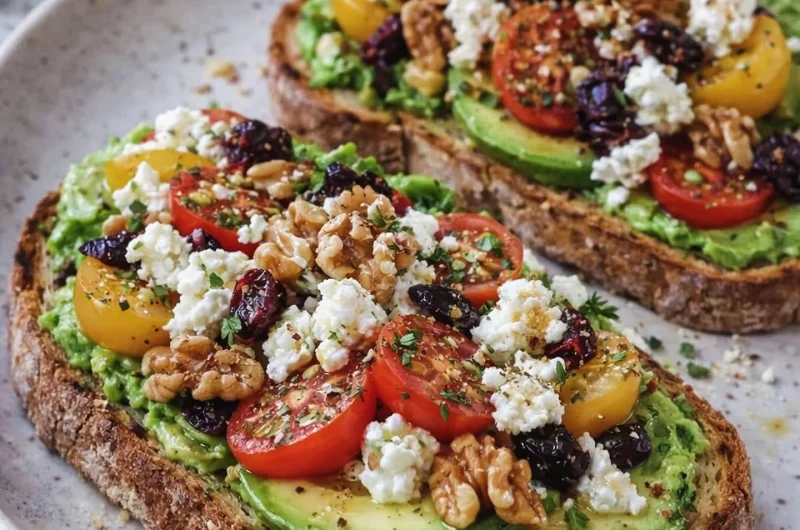
The Best Avocado Toast for a Quick and Healthy Breakfast
2
servings7
minutes30
minutes260
kcalCrisp toasted sourdough topped with creamy, perfectly seasoned mashed avocado. A quick, healthy breakfast ready in 10 minutes, endlessly customizable with your favorite toppings and add-ins.
Ingredients
Base Ingredients
2 slices sourdough or whole-grain bread
1 ripe avocado
1 tablespoon fresh lemon or lime juice
1/4 teaspoon fine sea salt
1/8 teaspoon freshly cracked black pepper
1 tablespoon extra virgin olive oil
1 small garlic clove (optional rub for toast)
Optional Add-ins
2 soft-boiled or poached eggs
1/4 cup cherry tomatoes, halved
2 tablespoons crumbled feta cheese
1/4 teaspoon red chili flakes
1 tablespoon microgreens or sprouts
1 tablespoon toasted sesame or pumpkin seeds
1/4 teaspoon flaky sea salt for finishing
Directions
- Toast thick-cut bread slices until deeply golden and crisp.
- Rub warm toast with a cut garlic clove, if using.
- Halve the avocado, remove the pit, and scoop flesh into a bowl.
- Add lemon or lime juice immediately to prevent browning.
- Mash the avocado with a fork, keeping some texture.
- Season with salt and pepper, tasting as you go.
- Spread mashed avocado generously over each slice of warm toast.
- Drizzle lightly with extra virgin olive oil.
- Add optional toppings like tomatoes, feta, or a poached egg.
- Finish with flaky salt, black pepper, and chili flakes if desired.
- Scatter microgreens or toasted seeds on top.
- Serve immediately while toast is still warm and crisp.
Recipe Video
Notes
- Use a ripe avocado that yields gently to pressure for the best texture.
- Toast bread just before assembling to prevent sogginess.
- Add lemon juice right after mashing to slow browning.
- Best eaten fresh; avocado toast does not store or reheat well.
- Adjust toppings seasonally for variety throughout the year.