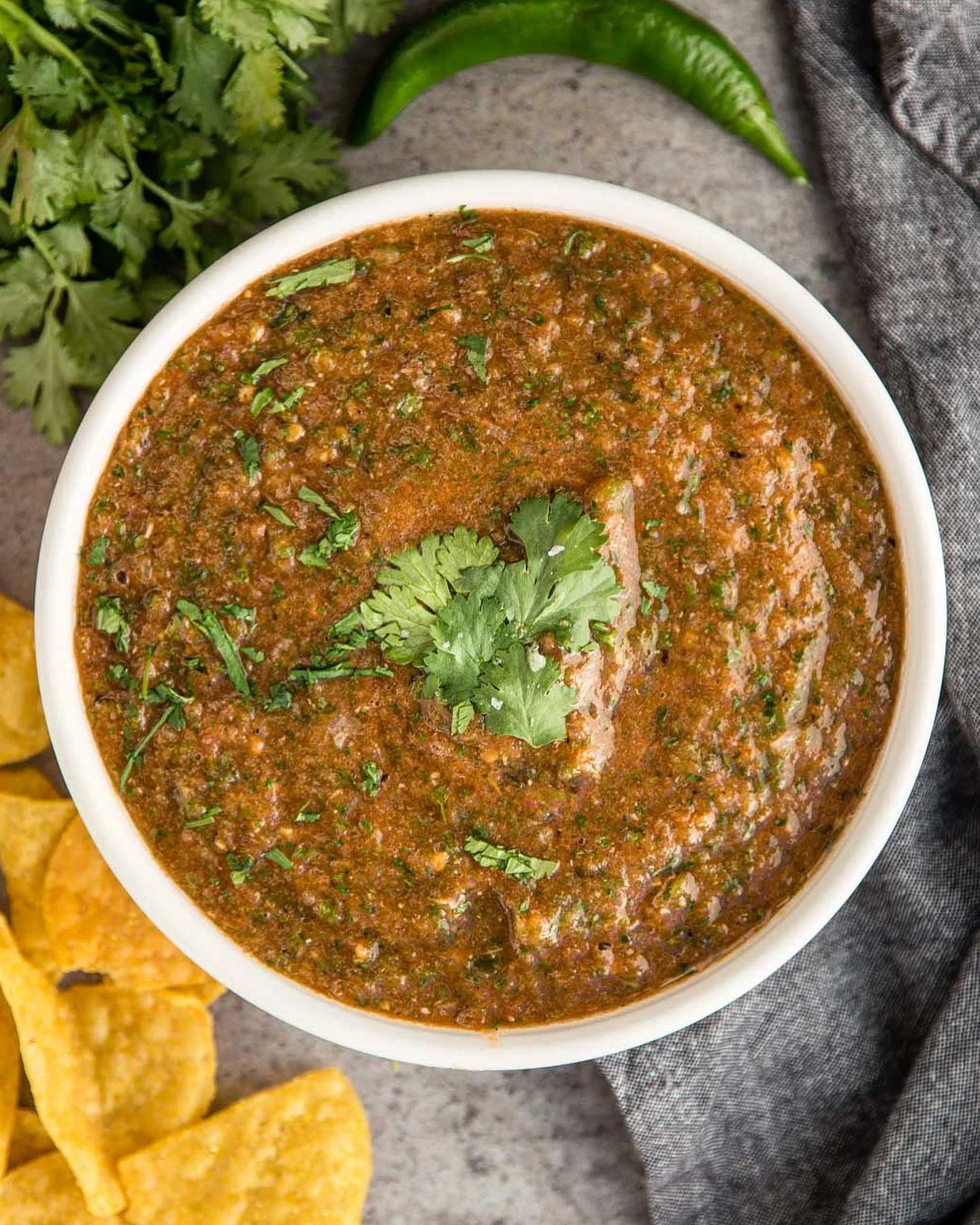
Most jarred salsa tastes like it came from a can of tomato sauce with a lime wedge waved over it. There is no char, no depth, no real heat to speak of. Once you roast your own vegetables, you will understand exactly what has been missing from every store-bought jar you have ever bought.
This recipe leans on one simple technique: broiling. Charring the tomatoes, onion, and jalapeño under high heat pulls out their natural sugars and gives the salsa that smoky, roasted flavor you taste at your favorite taqueria. It is the single step that separates homemade salsa from the flat, watery stuff sitting on grocery shelves.
You do not need special equipment, a food processor is optional, and the entire process takes well under thirty minutes. Whether you prefer a rustic, chunky texture or a smooth, restaurant-style salsa, the method adjusts easily to your taste with just a few pulses of the blender.
By the end of this article, you will have a bright, punchy salsa recipe that keeps well in the fridge, pairs with nearly everything, and genuinely tastes better than anything you could buy premade.
Ingredients You’ll Need
There is something deeply satisfying about turning a handful of humble vegetables into a salsa so good it disappears within a day of making it. This version keeps things honest, no shortcuts, no strange fillers, just real charred produce and a few sharp, fresh finishers. One of the things I love about this recipe is that it uses simple pantry ingredients. You probably already have most of them in your kitchen.
Base Ingredients
- 6 medium roma tomatoes
- 1 medium white onion, quartered
- 2 jalapeño peppers
- 3 garlic cloves, unpeeled
- 1 cup fresh cilantro, roughly chopped
- 2 tablespoons fresh lime juice
- 1 teaspoon salt, or to taste
- 1/2 teaspoon ground cumin
Optional Add-ins
- 1 small serrano pepper, for extra heat
- 1/2 teaspoon smoked paprika
- 1 tablespoon olive oil
- 1/4 teaspoon sugar, to balance acidity
- 1/2 avocado, diced, for a chunkier finish
- 1 tablespoon apple cider vinegar
Step-by-Step Instructions
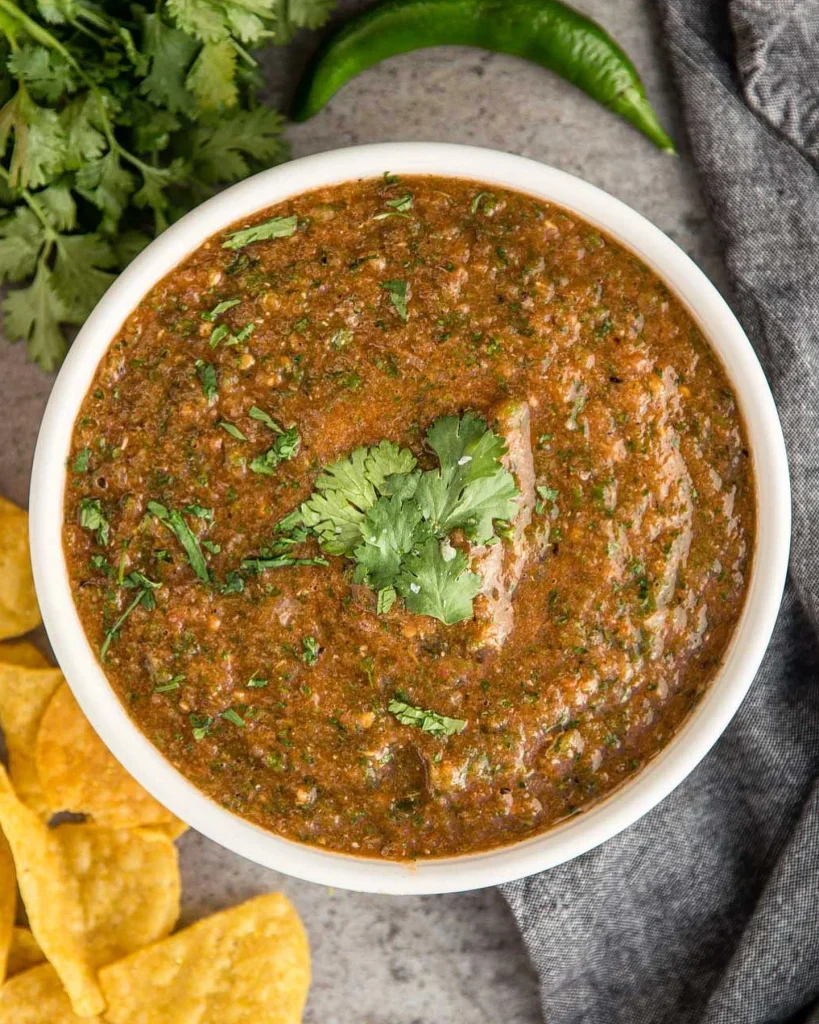
Prepare and Arrange the Vegetables
Line a sheet pan with foil and set your oven to broil on high. Slice the tomatoes in half, quarter the onion, and halve the jalapeños lengthwise, removing seeds if you want less heat. Arrange everything cut-side up along with the unpeeled garlic cloves. Keep pieces roughly the same size so they char evenly. This setup step takes only a few minutes but sets the foundation for the smoky flavor that defines this entire recipe.
Broil Until Charred
Place the pan about four inches from the broiler element. Broil for 8 to 10 minutes, watching closely, until the tomato skins blister and blacken in spots and the onion edges turn deep brown. Rotate the pan halfway through for even charring. This blistered, slightly burnt exterior is exactly what you want, it is where all the smoky depth comes from. Do not walk away, broilers work fast and vegetables can burn quickly.
Cool and Peel the Garlic
Remove the pan from the oven and let everything cool for five minutes. Once cool enough to handle, squeeze the softened garlic cloves out of their skins directly into a blender or onto a cutting board. Discard the papery garlic skins. This brief cooling period also lets the residual heat continue softening the vegetables slightly, which makes blending or chopping much easier in the next step.
Blend or Pulse to Your Preferred Texture
Transfer the charred tomatoes, onion, jalapeño, and garlic into a blender or food processor. For a chunky, restaurant-style salsa, pulse five or six times only. For a smoother salsa, blend for 15 to 20 seconds until mostly uniform. Add the cumin and salt during this stage so the flavors distribute evenly. Taste and adjust the heat level now, before adding the fresh finishing ingredients in the final step.
Finish with Lime and Cilantro
Stir in the fresh lime juice and roughly chopped cilantro by hand, off the blender, so the herbs stay bright and do not turn the salsa a dull green. Taste again and adjust salt or lime as needed. Let the salsa rest at room temperature for ten minutes before serving, this short rest allows the flavors to meld together fully. Serve immediately or refrigerate for later use.
Cook Time
Total: 25 minutes
Prep: 10 minutes
Bake: 10 minutes
Servings
This recipe makes approximately 2 1/2 cups of salsa, enough to comfortably serve 6 to 8 people as a shared appetizer with chips. It is easy to scale, doubling the tomato and onion quantities gives you a larger batch perfect for parties or meal prep without changing the broiling time significantly.
For smaller households, the recipe halves cleanly and stores well, so there is no need to commit to a large batch just to enjoy fresh salsa throughout the week. Portion size naturally depends on how the salsa is used, whether as a dip, a taco topping, or a base for other dishes.
If you are serving this alongside a full Mexican-inspired spread, plan for roughly a quarter cup per person as a topping, and slightly more if chips are the main event. Makes approximately 2 1/2 cups total.
Common Mistakes in This Recipe
The most common mistake is walking away during the broiling step. Broilers work far faster than a standard oven, and vegetables can go from perfectly charred to burnt beyond use in under a minute. Many home cooks also skip flipping or rotating the pan, which leads to uneven charring where one side is blackened and the other barely cooked.
Another frequent issue is blending everything for too long. Over-processing breaks down the salsa into a thin, almost soupy texture that loses the pleasant bite fresh salsa should have. Adding the cilantro and lime juice into the blender itself, rather than stirring them in by hand afterward, is a subtle mistake that dulls both the color and the fresh, herbal flavor.
Finally, many people season only once, at the very start, and never taste again before serving, missing the chance to balance acidity, salt, and heat properly. Salt levels vary widely depending on tomato ripeness, so tasting is essential.
Solutions to Common Mistakes
Stay near the oven during the entire broiling process and set a visible timer rather than relying on memory. Check the vegetables at the halfway point and rotate the pan for even color on all sides. If one section is charring faster, simply move it toward the cooler edge of the pan.
To avoid overblending, pulse in short bursts rather than running the blender continuously, checking texture after every few pulses. This gives you full control and prevents the salsa from turning watery. Always add lime juice and cilantro after blending, stirring by hand, to preserve their brightness and vivid color.
Taste your salsa at least twice, once after blending and once after it rests, since flavors shift slightly as it sits. Adjust salt, lime, or a pinch of sugar to balance sharper, more acidic tomatoes when needed.
Keep a small bowl of extra lime wedges nearby for last-minute adjustments before serving.
Nutritional Information (approx. per serving)
- Calories: 25 kcal
- Protein: 1 g
- Carbohydrates: 5 g
- Fiber: 1.3 g
- Sugar: 3 g
- Fat: 0.2 g
- Sodium: 150 mg
- Vitamin C: 15% DV
This salsa is naturally low in calories while still delivering a genuine hit of flavor, making it an easy way to add taste to meals without adding excess fat or sugar. Tomatoes contribute a meaningful dose of vitamin C along with lycopene, an antioxidant linked to heart health that becomes more available to the body once the tomatoes are cooked or charred.
Onions and garlic bring their own benefits, both are associated with supporting healthy circulation and offer mild anti-inflammatory properties. Fresh cilantro adds trace vitamins along with a distinct, palate-cleansing quality that balances the smokiness of the roasted vegetables.
Because this salsa contains no added sugars or preservatives, it fits comfortably into most dietary patterns, including low-carb, vegan, and gluten-free lifestyles. It is a genuinely wholesome condiment rather than an empty-calorie topping.
Storage Instructions
Store the finished salsa in an airtight glass container in the refrigerator, where it will stay fresh and flavorful for up to five days. Glass is preferable to plastic here, since the acidity from the lime and tomatoes can gradually pick up plastic odors over extended storage.
If you want to keep it longer, this salsa freezes reasonably well for up to two months, though the texture will soften slightly upon thawing due to the water content in the tomatoes. Freeze it in small, flat portions so it thaws quickly whenever you need it.
Always let the salsa come back to room temperature before serving from the fridge, since cold temperatures mute both the heat and the brightness of the lime. A quick stir after resting redistributes any settled liquid.
Avoid leaving salsa out at room temperature for more than two hours, particularly in warm weather, to keep it safe to eat.
Suggestions
This salsa is versatile enough to move well beyond the chip bowl. Spoon it generously over grilled chicken, steak, or fish for an instant boost of smoky, acidic flavor that cuts through richness. It also works beautifully folded into scrambled eggs or spooned over a breakfast burrito for a fresh morning kick.
For taco nights, use it as a finishing salsa rather than a base sauce, its bright, chunky texture holds up well against soft tortillas and does not make them soggy. It also pairs naturally with quesadillas, nachos, and loaded fries as a lighter alternative to heavier cheese-based toppings.
If you enjoy layered flavors, stir a spoonful into guacamole or a bowl of black beans for added depth. A thinned version, loosened with a splash of water or extra lime juice, also makes an excellent salad dressing base.
Keep extra on hand, it disappears quickly once people realize how fresh it tastes.
Seasonal Relevance
Salsa naturally shines brightest in the peak of summer, when tomatoes are at their ripest, most flavorful, and least watery. Farmers markets during these months are the ideal place to source the roma tomatoes this recipe calls for, since fully vine-ripened fruit char and blend far better than the pale, firmer tomatoes available in colder months.
That said, this recipe remains reliable year-round because the broiling step compensates for less-than-perfect tomatoes, concentrating their flavor through caramelization even in winter. This makes it a dependable option for holiday gatherings, game-day spreads, or simple weeknight dinners regardless of season.
In warmer months, this salsa pairs naturally with grilled meats and outdoor entertaining, while in cooler months it brightens up heavier, richer comfort foods like enchiladas or casseroles. Its adaptability across seasons is part of what makes it worth mastering.
Consider doubling the batch during tomato season and freezing portions for later use.
Final Words
This salsa recipe proves that a handful of humble vegetables, treated with the right technique, can outperform anything sold in a jar. The broiling step alone transforms ordinary tomatoes and onions into something with real depth, smokiness, and complexity that store-bought versions simply cannot replicate.
What makes this recipe worth returning to is its flexibility, chunky or smooth, mild or fiery, it adapts easily to whatever mood or meal you are working with. It requires no specialized skill, just attention during a short broiling window and a willingness to taste as you go.
Once you make salsa this way, it becomes difficult to go back to the jarred alternative, the freshness is simply too noticeable to ignore. Keep this recipe in your regular rotation, especially during tomato season when the results are at their absolute best.
Share it, double it, and make it your own with the optional add-ins above.
Frequently Asked Questions
Can I make this salsa without a broiler?
Yes, you can char the vegetables on a hot grill or in a dry cast-iron skillet over high heat instead. The goal is visible blistering and blackened spots, so keep the heat high and turn the vegetables occasionally until evenly charred on all sides.
Why does my salsa taste too acidic?
Excess acidity usually comes from underripe tomatoes or too much lime juice. Balance it by adding a small pinch of sugar or a touch more salt. Letting the salsa rest for ten minutes before tasting again also helps the flavors settle and mellow naturally.
Can I use canned tomatoes instead of fresh?
Fire-roasted canned tomatoes work as a reasonable substitute when fresh ones are out of season. Drain excess liquid first, then broil briefly with the onion and jalapeño to build the same smoky base before blending everything together as directed.
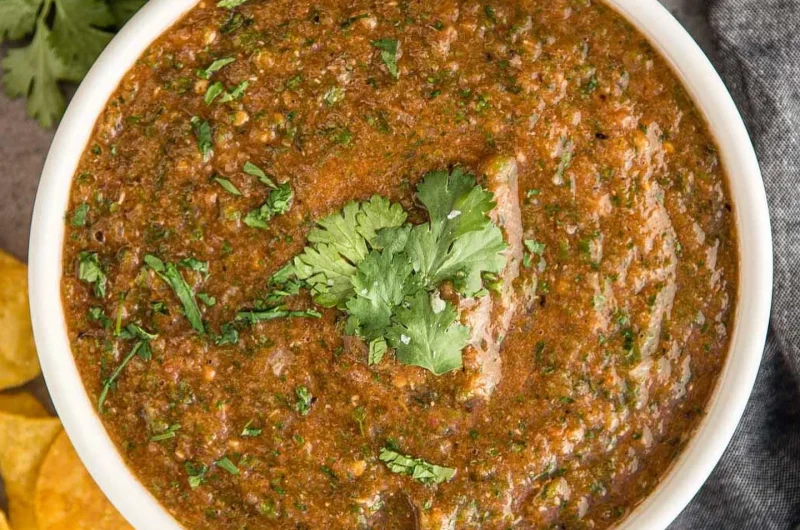
Fresh Homemade Salsa That’s Better Than Store-Bought
6
servings10
minutes10
minutes25
kcalSmoky, fire-roasted salsa made by charring tomatoes, onion, and jalapeño under the broiler. Bright with fresh lime and cilantro, this homemade version beats any store-bought jar in flavor and freshness.
Ingredients
Base Ingredients:
6 medium roma tomatoes
1 medium white onion, quartered
2 jalapeño peppers
3 garlic cloves, unpeeled
1 cup fresh cilantro, roughly chopped
2 tablespoons fresh lime juice
1 teaspoon salt, or to taste
1/2 teaspoon ground cumin
Optional Add-ins:
1 small serrano pepper, for extra heat
1/2 teaspoon smoked paprika
1 tablespoon olive oil
1/4 teaspoon sugar, to balance acidity
1/2 avocado, diced, for a chunkier finish
1 tablespoon apple cider vinegar
Directions
- Line a sheet pan with foil and set oven to broil on high.
- Halve tomatoes, quarter onion, and halve jalapeños lengthwise; arrange cut-side up with unpeeled garlic.
- Broil 8-10 minutes, rotating halfway, until charred and blistered.
- Cool for 5 minutes, then squeeze garlic out of its skin.
- Transfer charred vegetables and garlic to a blender.
- Pulse briefly for chunky salsa, or blend longer for smooth texture.
- Add cumin and salt; blend to combine.
- Stir in lime juice and cilantro by hand.
- Let rest 10 minutes before serving.
Recipe Video
Notes
- Stay near the oven while broiling; vegetables can burn quickly.
- Add lime juice and cilantro after blending, not before, to preserve color and freshness.
- Taste and adjust salt or lime after the salsa rests.
- Store in an airtight glass container in the fridge for up to 5 days.
- Freezes well for up to 2 months in flat, small portions.