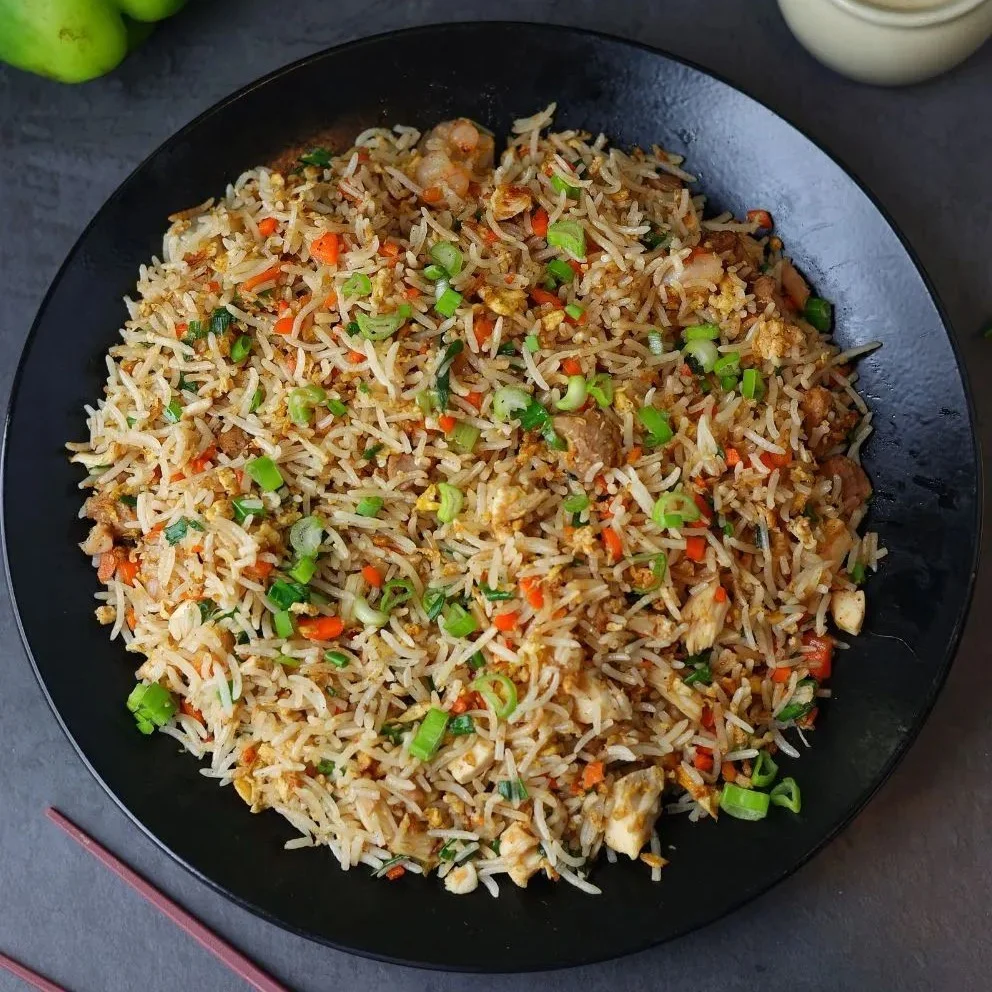
Some recipes earn their reputation through complexity. Fried rice earns its reputation through restraint. This dish is proof that a handful of humble ingredients, treated with the right technique and a hot enough pan, can outperform anything delivered in a paper bag. It’s smoky, savory, and satisfying in a way that takeout rarely manages to replicate consistently.
The secret isn’t a mystery sauce or a hard-to-find ingredient. It’s cold rice, high heat, and confidence at the stove. Once you understand why each step matters, you’ll never look at a delivery menu the same way again.
This recipe is built for real weeknights. No specialty equipment, no obscure pantry items, no standing over the stove for an hour. Just twenty focused minutes between you and a genuinely great meal.
What follows is a method refined through repetition: the kind of fried rice that tastes like it came from a busy kitchen with a wok on fire, not a rushed dinner thrown together on a Tuesday. Read on, and you’ll have the tools to make it that way every single time.
Ingredients You’ll Need
Great fried rice isn’t about a long shopping list — it’s about knowing which few ingredients actually earn their place in the pan.
One of the things I love about this recipe is that it uses simple pantry ingredients. You probably already have most of them in your kitchen.
Base Ingredients
- 3 cups cold cooked white rice (day-old, preferably)
- 2 tablespoons vegetable oil
- 2 large eggs, lightly beaten
- 1/2 cup diced carrots
- 1/2 cup frozen peas
- 1/3 cup diced yellow onion
- 3 cloves garlic, minced
- 3 tablespoons soy sauce
- 1 tablespoon oyster sauce
- 1 teaspoon sesame oil
- 2 green onions, sliced
- 1/4 teaspoon white pepper
- Salt, to taste
Optional Add-ins
- 1 cup diced cooked chicken
- 1/2 cup cooked shrimp
- 1/2 cup diced ham or Chinese sausage
- 1/2 cup sweet corn kernels
- 1 tablespoon chili garlic sauce
- 1 teaspoon rice vinegar
- 2 tablespoons chopped cilantro
- 1/4 cup diced bell peppers
Step-by-Step Instructions
Prep the Rice
Start with rice that’s been refrigerated overnight, or spread freshly cooked rice on a tray to cool and dry out for 15 minutes. Moisture is the enemy of good fried rice — it leads to clumping and steaming instead of frying. Break up any large clumps with your fingers before cooking so every grain has a chance to separate and crisp individually in the hot oil later on.
Scramble the Eggs
Heat one tablespoon of oil in a large wok or skillet over medium-high heat until it shimmers. Pour in the beaten eggs and let them sit undisturbed for a few seconds before scrambling gently. Cook just until softly set, then transfer to a plate immediately. Overcooking here makes the eggs rubbery, so pull them off the heat slightly before you think they’re fully done.
Sauté the Aromatics
Add the remaining oil to the same pan and raise the heat to high. Toss in the diced onion and carrots, stirring frequently for about two minutes until they soften slightly. Add the minced garlic and cook for another 30 seconds until fragrant, being careful not to let it burn. This base builds the foundation of flavor that carries through the entire dish.
Add the Rice
Increase the heat further and add the cold rice directly to the pan, breaking up any remaining clumps with your spatula. Stir-fry aggressively for three to four minutes, pressing the rice against the hot surface to encourage light charring in spots. This high-heat contact is what gives authentic fried rice its smoky depth, often called “wok hei” in professional kitchens.
Season and Combine
Push the rice to one side and pour the soy sauce, oyster sauce, and sesame oil into the cleared space. Let the sauces bubble for a few seconds before tossing everything together evenly. Fold in the peas, scrambled eggs, and any optional proteins you’re using. Stir-fry for another two minutes so everything heats through and absorbs the seasoning uniformly.
Finish and Serve
Sprinkle in the white pepper and sliced green onions, tossing once more to distribute. Taste and adjust with a pinch of salt if needed — soy sauce varies in saltiness by brand. Remove from heat immediately to prevent overcooking. Serve hot, straight from the pan, for the best texture and aroma.
Cook Time
Total: 20 minutes
Prep: 10 minutes
Bake: 0 minutes (stovetop only)
Servings
This recipe makes approximately 4 generous servings, making it an ideal choice for a family dinner or a batch-cooked lunch you can portion out for the week ahead. Each serving lands around 380 calories, striking a comfortable balance between indulgence and practicality for a weeknight meal.
The recipe scales easily. Doubling the ingredients works well if you’re feeding a larger group, though it’s best to cook in batches rather than overcrowding the pan, since fried rice depends on direct contact with high heat to develop its signature texture and light char.
Whether served as a standalone meal or alongside grilled protein and a simple vegetable side, this dish holds its own. It reheats well too, which makes it a dependable option for meal prep enthusiasts looking for variety without extra effort.
Common Mistakes in This Recipe
The single biggest mistake home cooks make is using freshly cooked, warm rice. Warm rice carries too much surface moisture, which causes the grains to clump together and steam rather than fry, resulting in a mushy texture instead of the light, separate grains fried rice is known for.
Another frequent misstep is overcrowding the pan. When too much rice is added at once, the pan’s temperature drops significantly, and the rice ends up simmering in its own steam rather than crisping against a hot surface, which flattens the flavor considerably.
Overcooking the scrambled eggs is a subtler issue. Many recipes cook the eggs directly in the rice, which leads to overdone, rubbery bits scattered unevenly throughout the dish rather than soft, distinct curds.
Finally, oversaucing is common. Pouring soy sauce directly and generously over the rice without controlling distribution leads to soggy, unevenly seasoned patches rather than a balanced, uniformly savory result throughout the dish.
Solutions to Common Mistakes
To solve the moisture problem, always use rice that has been refrigerated for at least several hours, or spread hot rice thinly on a baking sheet to cool and air-dry before cooking. This single adjustment makes the most noticeable difference in final texture.
For the overcrowding issue, use a wide, heavy-bottomed pan or wok and cook in batches if doubling the recipe. Keeping the heat high and the surface area generous ensures every grain gets proper contact with the pan.
Cook your eggs separately and briefly, removing them from heat while still glossy and slightly underdone, then fold them back in near the end. This preserves their soft texture rather than letting them overcook in the rice.
Control sauce distribution by pouring it into a cleared space in the pan first, letting it bubble briefly, then tossing it through the rice rather than drizzling it randomly over the top.
Nutritional Information (approx. per serving)
- Calories: 380
- Protein: 14g
- Carbohydrates: 45g
- Fat: 15g
- Fiber: 3g
- Sodium: 620mg
- Sugar: 3g
Beyond being genuinely delicious, this dish offers a reasonably balanced nutritional profile for a comfort food staple. The eggs contribute quality protein and essential amino acids, while the vegetables add fiber, vitamin A, and antioxidants that support overall wellness without weighing the dish down.
Using day-old rice rather than fresh, oil-laden takeout versions also means you control exactly how much fat goes into the dish, allowing for a lighter final result without sacrificing flavor or satisfaction.
Garlic and green onions, beyond their aromatic contribution, carry modest anti-inflammatory and immune-supporting properties, making this more than just a comfort food indulgence when built with fresh, whole ingredients.
For those watching sodium intake, using low-sodium soy sauce is an easy swap that preserves flavor while significantly reducing the dish’s overall sodium content per serving.
Storage Instructions
Leftover fried rice keeps well when cooled completely before storing. Transfer it to an airtight container and refrigerate for up to four days, ensuring it reaches room temperature within an hour of cooking to avoid bacterial growth during the cooling process.
For longer storage, fried rice freezes surprisingly well. Portion it into freezer-safe bags or containers, pressing out excess air, and freeze for up to two months. Label with the date so you can track freshness easily.
When reheating, a hot skillet works better than a microwave for preserving texture. Add a small splash of water or oil and stir-fry over medium-high heat until heated through, which helps revive the grains rather than steaming them into mush.
Avoid reheating multiple times, as repeated temperature cycling degrades both texture and food safety. Reheat only the portion you intend to eat in that sitting for the best results.
Suggestions
Pair this fried rice with a protein like teriyaki chicken, garlic shrimp, or a simple seared steak for a more complete, restaurant-style meal at home. The rice works equally well as a side dish or a standalone main course.
For a vegetarian twist, skip the meat additions entirely and boost the vegetable content with mushrooms, snap peas, and baby corn for added texture and visual appeal without sacrificing heartiness.
A drizzle of chili crisp or a squeeze of fresh lime just before serving adds a bright, punchy finish that elevates the dish beyond its humble ingredient list, giving it a more dynamic flavor profile.
Serve alongside a light cucumber salad or a simple miso soup to round out the meal with contrasting textures and temperatures, creating a more balanced dining experience overall.
Seasonal Relevance
Fried rice is remarkably versatile across seasons, adapting easily to whatever vegetables are freshest and most abundant at any given time of year without losing its essential character.
In spring, swap in fresh peas, asparagus tips, and scallions for a lighter, brighter version that reflects the season’s produce while maintaining the dish’s comforting familiarity and satisfying texture.
Come autumn and winter, heartier additions like diced butternut squash, mushrooms, or leftover roasted vegetables from holiday meals transform this into a cozy, warming dish perfect for colder evenings.
Summer months are ideal for using up garden vegetables like zucchini, corn, and bell peppers, making this a practical way to use seasonal abundance without letting anything go to waste.
Final Words
Fried rice is one of those recipes that rewards attention to small details far more than complicated techniques. Once you understand the role of cold rice, high heat, and proper sequencing, you’ll find yourself making this far more often than any takeout order.
This is a dish built for real life — busy weeknights, unexpected guests, or simply a craving that needs satisfying quickly and without fuss. It’s forgiving, adaptable, and genuinely delicious every single time you make it.
I encourage you to treat this recipe as a foundation rather than a rigid formula. Once you’ve mastered the base method, experimenting with proteins, vegetables, and seasonings becomes second nature and endlessly rewarding.
Give it a try this week, and I suspect it will earn a permanent spot in your regular dinner rotation, right alongside your other tried-and-true weeknight staples.
Frequently Asked Questions
Can I use brown rice instead of white rice for this recipe?
Yes, brown rice works well as a substitute. Just ensure it’s fully cooked and thoroughly cooled beforehand, since its firmer texture actually holds up nicely to high-heat stir-frying without becoming mushy.
Why does restaurant fried rice taste different from homemade versions?
Restaurants use extremely high-BTU burners that home stoves can’t match, creating more intense charring and smokiness. You can approximate this by using a well-seasoned wok and not overcrowding your pan.
Is it necessary to use day-old rice, or can I make fresh rice work in a pinch?
Fresh rice can work if spread out and refrigerated uncovered for at least 30 minutes to release moisture. It won’t be identical to day-old rice, but it significantly improves the final texture.
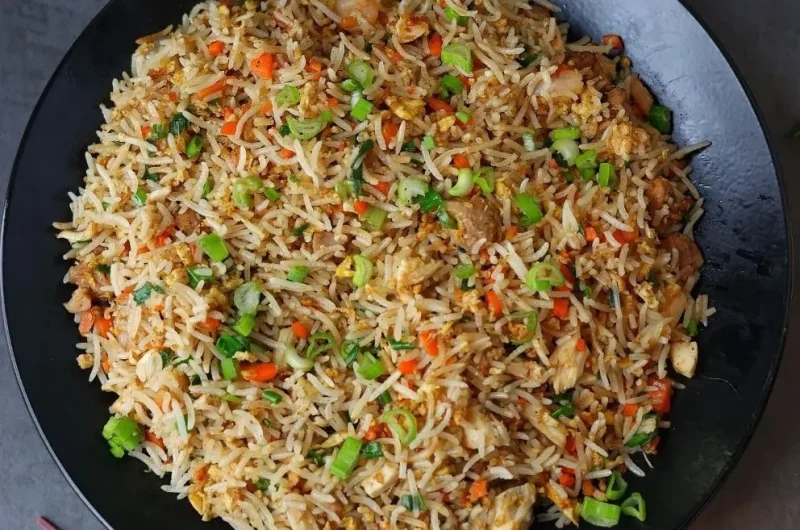
Better-Than-Takeout Fried Rice You Can Make in 20 Minutes
4
servings10
minutes10
minutes380
kcalSkip the takeout with this restaurant-style fried rice made from simple pantry staples. Ready in just 20 minutes, it’s smoky, savory, and packed with classic flavor in every single bite.
Ingredients
Base Ingredients:
3 cups cold cooked white rice (day-old, preferably)
2 tablespoons vegetable oil
2 large eggs, lightly beaten
1/2 cup diced carrots
1/2 cup frozen peas
1/3 cup diced yellow onion
3 cloves garlic, minced
3 tablespoons soy sauce
1 tablespoon oyster sauce
1 teaspoon sesame oil
2 green onions, sliced
1/4 teaspoon white pepper
Salt, to taste
Optional Add-ins:
1 cup diced cooked chicken
1/2 cup cooked shrimp
1/2 cup diced ham or Chinese sausage
1/2 cup sweet corn kernels
1 tablespoon chili garlic sauce
1 teaspoon rice vinegar
2 tablespoons chopped cilantro
1/4 cup diced bell peppers
Directions
- Use cold, day-old rice, or spread fresh rice on a tray to cool for 15 minutes and break up any clumps.
- Heat 1 tablespoon oil in a wok over medium-high heat; scramble the eggs softly, then remove and set aside.
- Add remaining oil, sauté onion and carrots for 2 minutes, then add garlic and cook 30 seconds until fragrant.
- Raise heat to high, add cold rice, and stir-fry for 3–4 minutes, pressing it against the pan for light charring.
- Push rice aside, add soy sauce, oyster sauce, and sesame oil to the cleared space; let bubble, then toss to combine.
- Fold in peas, scrambled eggs, and any optional proteins; stir-fry for 2 more minutes until heated through.
- Add white pepper and green onions, toss once more, taste, adjust salt if needed, and serve immediately.
Recipe Video
Notes
- Cold, dry rice is essential — warm rice will clump and steam instead of frying.
- Don’t overcrowd the pan; cook in batches if doubling the recipe for best texture.
- Use low-sodium soy sauce to control saltiness without losing flavor.
- Reheat leftovers in a hot skillet rather than a microwave to preserve texture.