There is a reason mashed potatoes remain the most requested side dish at every family table. Done right, they are silky, buttery, and impossibly comforting, the kind of dish that quiets a noisy dinner table for a moment of pure satisfaction. Done wrong, they turn gluey, bland, or watery, and no amount of gravy can save them.
This recipe eliminates the guesswork. After testing different potato varieties, dairy ratios, and mashing techniques, this version consistently delivers a cloud-like texture with rich, buttery flavor in every bite. It relies on a few key techniques rather than a long ingredient list, which is exactly why it works so reliably.
You will learn how to choose the right potato, why starting them in cold water matters more than most people realize, and how sour cream elevates the texture without overpowering the taste. Whether this is your first attempt or your fiftieth, this method removes the common pitfalls that lead to lumpy or dense potatoes.
Perfect for holiday feasts, Sunday roasts, or a quick weeknight comfort meal, these mashed potatoes are built to be the dish people ask for again. Save this recipe, because once you taste this version, boxed or restaurant substitutes simply will not compare.
Ingredients You’ll Need
Great mashed potatoes are not about fancy ingredients, they are about ratios and technique, and this list proves it. Every item here works together to build layers of creaminess, richness, and flavor without complicating the process.
One of the things I love about this recipe is that it uses simple pantry ingredients. You probably already have most of them in your kitchen.
Base Ingredients
- 2.5 pounds russet potatoes, peeled and quartered
- 1/2 cup unsalted butter, softened
- 1/2 cup sour cream
- 1/2 cup whole milk, warmed
- 1 teaspoon fine sea salt, plus more for boiling water
- 1/4 teaspoon black pepper, freshly ground
- 2 cloves garlic, peeled whole
Optional Add-ins
- 2 tablespoons chives, finely chopped
- 1/4 cup cream cheese, softened
- 1/4 cup parmesan cheese, freshly grated
- 1 teaspoon roasted garlic paste
- 2 tablespoons heavy cream, for extra richness
Step-by-Step Instructions
Prepare and Boil the Potatoes
Peel the russet potatoes and cut them into evenly sized quarters so they cook at the same rate. Place them in a large pot and cover with cold water by at least an inch, along with the whole garlic cloves. Starting in cold water is essential, it allows the potatoes to heat gradually and cook evenly from edge to center. Add a generous pinch of salt to the water. Bring to a boil, then reduce to a steady simmer for 15 to 18 minutes.
Check for Doneness
Test the potatoes with a fork or the tip of a paring knife around the fifteen-minute mark. They are ready when the fork slides in with almost no resistance and the potato breaks apart easily. Undercooked potatoes will leave lumps no matter how much you mash, so do not rush this step. Once tender, drain thoroughly in a colander and let them sit for one to two minutes. This allows excess steam and moisture to escape, which keeps the final texture from turning watery.
Mash While Hot
Return the drained potatoes and softened garlic cloves to the warm pot, off the heat. Mash immediately while everything is still hot, since warm potatoes absorb butter and dairy far better than cooled ones. Use a potato masher or ricer for the smoothest, lump-free texture. Avoid a food processor, as it overworks the starches and creates a gummy, paste-like result. Mash in stages, checking texture as you go, rather than trying to smooth everything out in one aggressive pass.
Add Butter, Sour Cream, and Milk
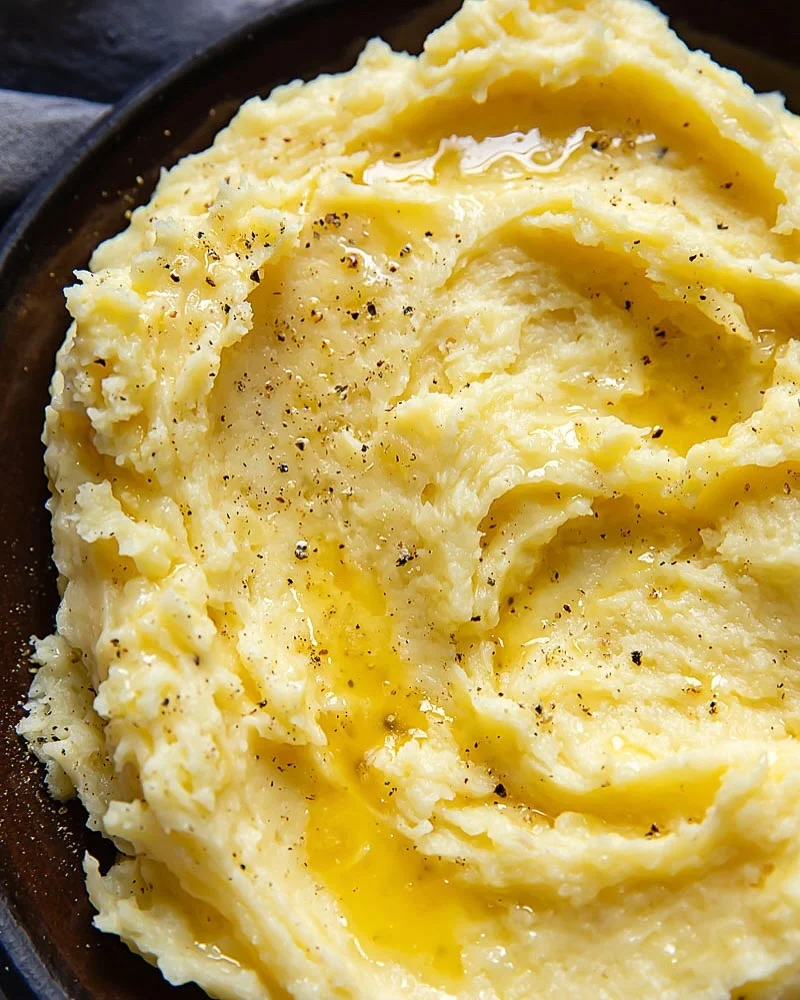
Fold in the softened butter first, allowing it to melt into the hot potatoes completely before adding anything else. Next, stir in the sour cream, which adds tang and an extra layer of creaminess without thinning the mixture. Slowly pour in the warmed milk, a little at a time, stirring gently between additions. Warm milk blends more smoothly than cold milk and prevents the potatoes from seizing or turning stiff. Stop adding milk once the texture feels light, fluffy, and spoonable rather than runny.
Season and Finish
Season with sea salt and freshly ground black pepper, tasting as you go since potatoes absorb salt differently depending on size and variety. If using optional add-ins like cream cheese or parmesan, fold them in now while the potatoes are still warm. Give everything one final gentle stir to combine, being careful not to overmix. Transfer to a serving bowl, top with a small pat of butter and a sprinkle of chives, and serve immediately while hot and creamy.
Cook Time
Total: 30 minutes
Prep: 10 minutes
Bake: 20 minutes
Servings
This recipe makes approximately 6 generous servings, making it ideal for a mid-sized family dinner or as a side dish alongside a main holiday centerpiece. Each portion lands comfortably between 240 and 320 kcal, depending on how much butter and dairy you choose to fold in.
If you are cooking for a larger gathering, this recipe scales easily. Simply double the potatoes and dairy proportionally, though it’s best to mash in batches to maintain the same fluffy consistency throughout. Scaling down for two people also works well, just reduce quantities by half and adjust milk gradually since smaller batches thicken faster.
Leftovers reheat beautifully, so this recipe is worth making even when you are not expecting a crowd. A slightly larger batch means an easy second meal without any extra cooking effort involved.
Common Mistakes in This Recipe
The most frequent mistake is using the wrong potato variety. Waxy potatoes like red or new potatoes contain too much moisture and not enough starch, which leads to a dense, gluey mash instead of a light, fluffy one. Another common error is boiling potatoes in already-boiling water, which cooks the outside faster than the inside, leaving a raw center even when the exterior looks tender.
Overmixing is another issue home cooks run into, often because they assume more stirring means smoother results. In reality, excessive mashing or blending releases too much starch, turning the potatoes gummy and elastic rather than airy. Adding cold dairy straight from the refrigerator is a quieter mistake, but it cools the potatoes rapidly and prevents smooth absorption.
Finally, many people undersalt the boiling water, then try to compensate later, which never fully corrects the bland base flavor throughout the dish.
Solutions to Common Mistakes
Always reach for starchy potatoes such as russets or Yukon Golds, since their higher starch content naturally produces a fluffier, creamier texture once mashed. Start potatoes in cold water rather than adding them to a pot that is already boiling, allowing heat to penetrate evenly from the outside in.
To avoid a gummy texture, mash gently with a masher or ricer instead of a food processor or high-speed blender, and stop as soon as the lumps disappear. Warm your butter, milk, and sour cream before incorporating them, since room-temperature or heated dairy blends more smoothly into hot potatoes without shocking the texture.
Season the boiling water generously with salt from the start, as potatoes absorb flavor internally while cooking. This single adjustment makes a noticeable difference in the finished dish’s overall taste, reducing the need for excessive seasoning at the end.
Nutritional Information (approx. per serving)
- Calories: 240 to 320 kcal
- Carbohydrates: 32g
- Protein: 4g
- Fat: 14g
- Saturated Fat: 8g
- Fiber: 3g
- Sodium: 320mg
- Potassium: 620mg
Potatoes are naturally rich in potassium, which supports healthy blood pressure regulation and proper muscle function throughout the body. This often-overlooked mineral makes potatoes more nutritionally valuable than their reputation suggests, especially when prepared without excessive processed additives.
The fiber content in potatoes, particularly when the skins are included during boiling, aids digestion and contributes to a longer-lasting feeling of fullness after meals. Pairing that fiber with protein-rich dairy like sour cream creates a more balanced, satisfying side dish overall.
Butter and dairy provide fat-soluble vitamins such as vitamin A and vitamin D, which the body needs for immune function and bone health. Moderate amounts of quality dairy fat also enhance flavor without requiring excessive salt or artificial flavor enhancers.
Compared to many processed side dishes, homemade mashed potatoes allow full control over ingredients, letting you adjust richness, sodium, and portion size to fit your specific dietary needs and preferences.
Storage Instructions
Store leftover mashed potatoes in an airtight container in the refrigerator for up to four days. Allow the potatoes to cool to room temperature before sealing the container, as trapping steam inside can introduce excess moisture and encourage faster spoilage.
For longer storage, mashed potatoes freeze reasonably well for up to two months, though the texture may soften slightly upon thawing due to the dairy content. Portioning into smaller freezer-safe containers makes it easier to thaw only what you need for a single meal.
When reheating, add a splash of warm milk or a small pat of butter to restore creaminess, since refrigeration tends to firm up the starches. Reheat gently on the stovetop over low heat, stirring frequently, or in the microwave in short intervals to avoid uneven heating.
Avoid reheating multiple times, as repeated temperature changes degrade both texture and flavor. Reheating only the portion you plan to eat preserves the quality of the remaining batch for future meals.
Suggestions
Serve these mashed potatoes alongside roasted chicken, seared steak, or a holiday turkey for a classic, crowd-pleasing pairing that never goes out of style. Their neutral, creamy base makes them incredibly versatile across nearly any main course, from weeknight dinners to formal gatherings.
For extra flavor, consider topping the finished dish with crispy fried onions, crumbled bacon, or a drizzle of brown butter just before serving. These additions add texture contrast and elevate a simple side into something worth talking about at the table.
Leftover mashed potatoes also make an excellent base for shepherd’s pie, potato pancakes, or as a thickener for creamy soups. Repurposing leftovers this way reduces food waste while creating an entirely different meal experience.
If serving a larger crowd, consider a mashed potato bar with toppings like cheese, chives, and gravy on the side, letting guests customize their own bowl.
Seasonal Relevance
While mashed potatoes are enjoyed year-round, they hold a special place during colder months, particularly around Thanksgiving, Christmas, and winter holiday gatherings. Their warm, comforting texture pairs naturally with hearty seasonal mains like roasted turkey, glazed ham, or braised short ribs.
During autumn harvest season, freshly dug potatoes tend to have better flavor and texture, making this an ideal time to prepare this dish using peak-quality produce. Farmers markets often carry a wider variety of potatoes during this window, worth exploring for subtle flavor differences.
In warmer months, this recipe still works beautifully as a side for summer barbecues, grilled meats, or potluck gatherings, proving its versatility beyond winter comfort food status. A lighter hand with butter can make it feel slightly less heavy for spring or summer menus.
Regardless of season, mashed potatoes remain a dependable, universally loved dish that adapts easily to whatever menu surrounds it throughout the year.
Final Words
Mastering mashed potatoes is less about complicated techniques and more about respecting a few key details, from potato selection to mashing method. This recipe distills those details into a straightforward process that consistently delivers rich, fluffy results every time it’s made.
Whether this becomes your go-to holiday side dish or a regular weeknight comfort food, the techniques here translate well beyond this single recipe. Understanding why cold-water starts and warm dairy matter will improve your potato dishes far beyond just this one.
Food that brings people back for seconds is rarely complicated, it simply respects the ingredients and the process behind it. This recipe reflects that philosophy, prioritizing texture and flavor over unnecessary complexity or trendy shortcuts.
Save this recipe, share it with someone who appreciates a truly great side dish, and let it become a fixture at your table for years of meals to come.
Frequently Asked Questions
Can I make mashed potatoes ahead of time for a holiday dinner?
Yes, prepare them up to a day in advance, then store covered in the refrigerator. Reheat gently on the stovetop with a splash of milk or butter, stirring frequently until warmed through and creamy again.
Why do my mashed potatoes turn gray after sitting out?
Exposure to air causes oxidation, which slightly discolors potatoes over time. This is purely cosmetic and does not affect safety or taste. Covering the bowl tightly with plastic wrap immediately after serving helps minimize this effect.
Is it better to use a hand mixer instead of mashing manually?
A hand mixer can work but risks overmixing quickly, which releases excess starch and creates gumminess. If using one, mix on low speed for short intervals, checking texture frequently to avoid overworking the potatoes.
Creamy Homemade Mashed Potatoes Everyone Will Love
6
servings10
minutes20
minutes320
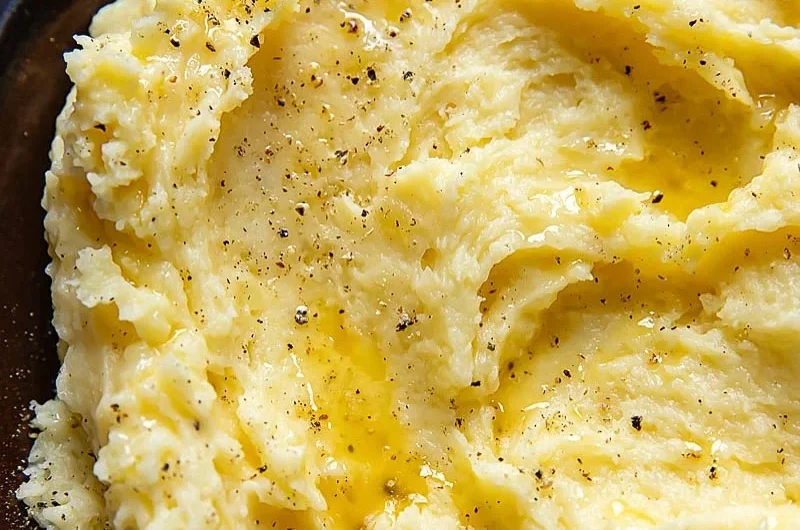
kcalSilky, buttery, and perfectly fluffy homemade mashed potatoes made with sour cream and warm milk. A rich, comforting side dish perfect for holidays, family dinners, and cozy weeknight meals.
Ingredients
Base Ingredients
2.5 pounds russet potatoes, peeled and quartered
1/2 cup unsalted butter, softened
1/2 cup sour cream
1/2 cup whole milk, warmed
1 teaspoon fine sea salt, plus more for boiling water
1/4 teaspoon black pepper, freshly ground
2 cloves garlic, peeled whole
Optional Add-ins
2 tablespoons chives, finely chopped
1/4 cup cream cheese, softened
1/4 cup parmesan cheese, freshly grated
1 teaspoon roasted garlic paste
2 tablespoons heavy cream, for extra richness
Directions
- Peel and quarter the russet potatoes; place in a pot with cold water, whole garlic cloves, and a pinch of salt.
- Bring to a boil, then simmer 15–18 minutes until fork-tender.
- Drain thoroughly and let sit 1–2 minutes to release excess steam.
- Return hot potatoes and garlic to the pot; mash immediately with a masher or ricer.
- Fold in softened butter until fully melted and absorbed.
- Stir in sour cream, then slowly add warmed milk until light and fluffy.
- Season with salt and pepper to taste; fold in optional add-ins if using.
- Transfer to a serving bowl, top with butter and chives, and serve hot.
Recipe Video
Notes
- Use starchy potatoes like russets or Yukon Golds for the fluffiest texture.
- Always start potatoes in cold water for even cooking.
- Warm dairy blends more smoothly than cold dairy — avoid using it straight from the fridge.
- Don’t overmix; stop as soon as lumps disappear to prevent a gummy texture.
- Reheat leftovers gently with a splash of milk or butter to restore creaminess.