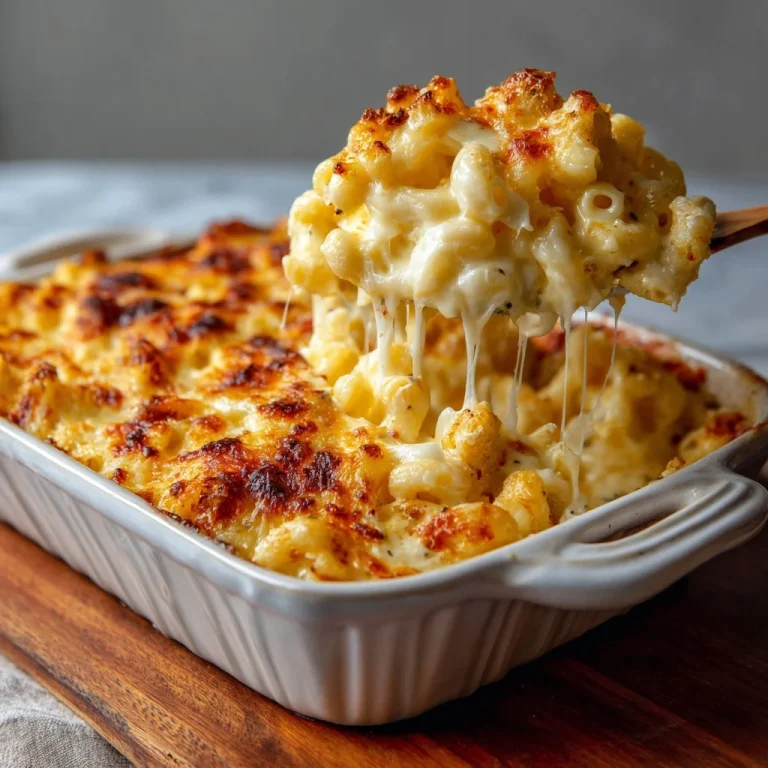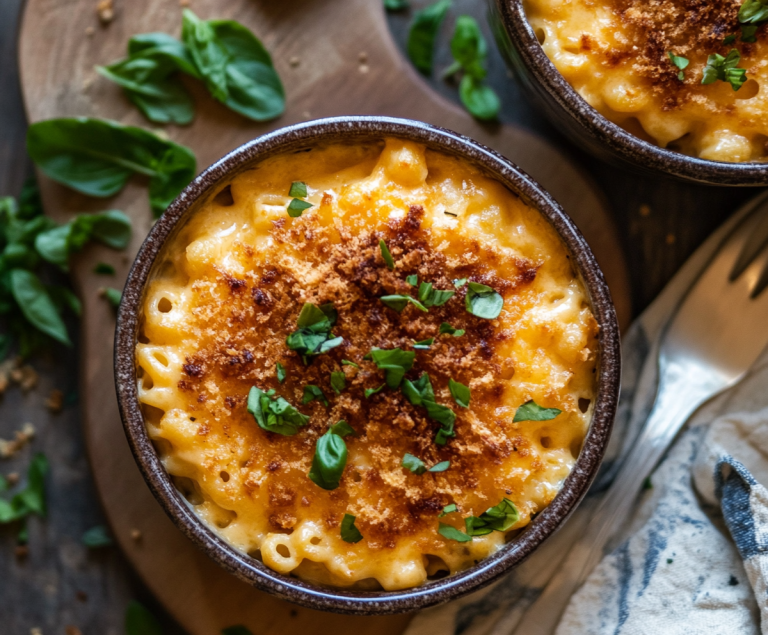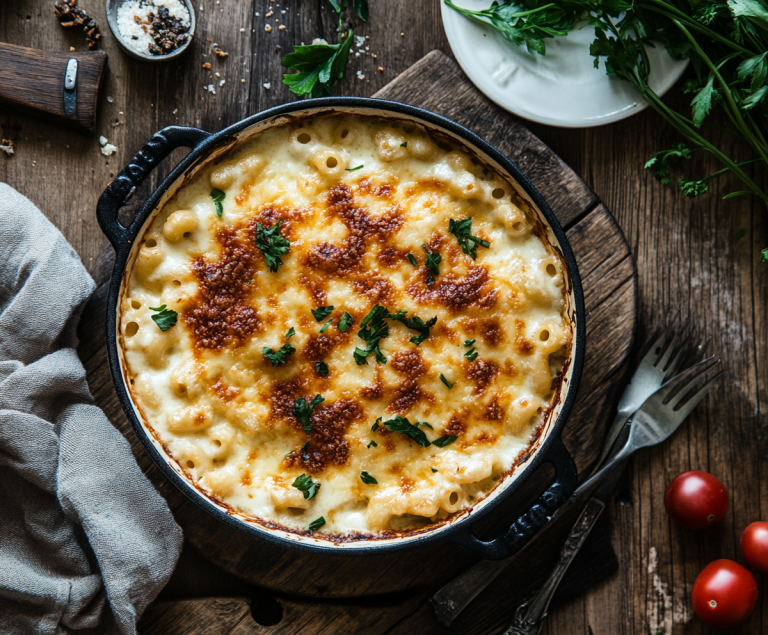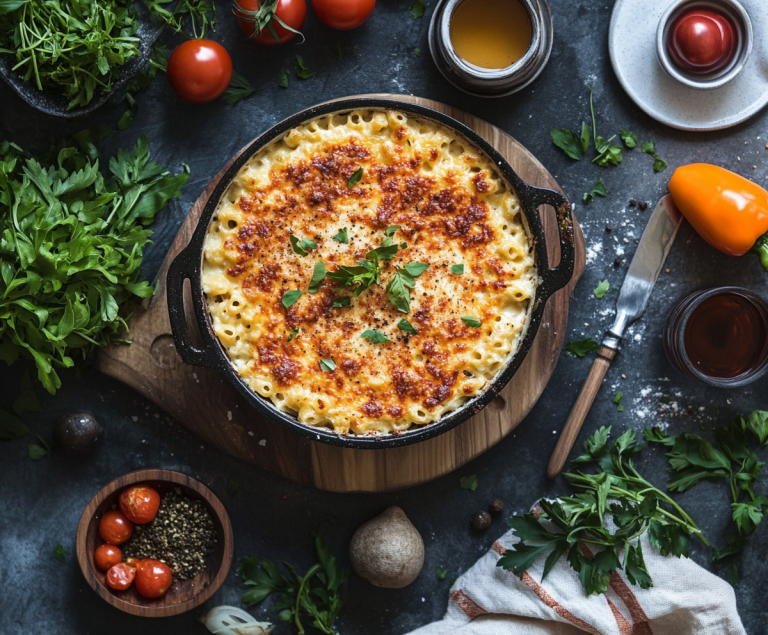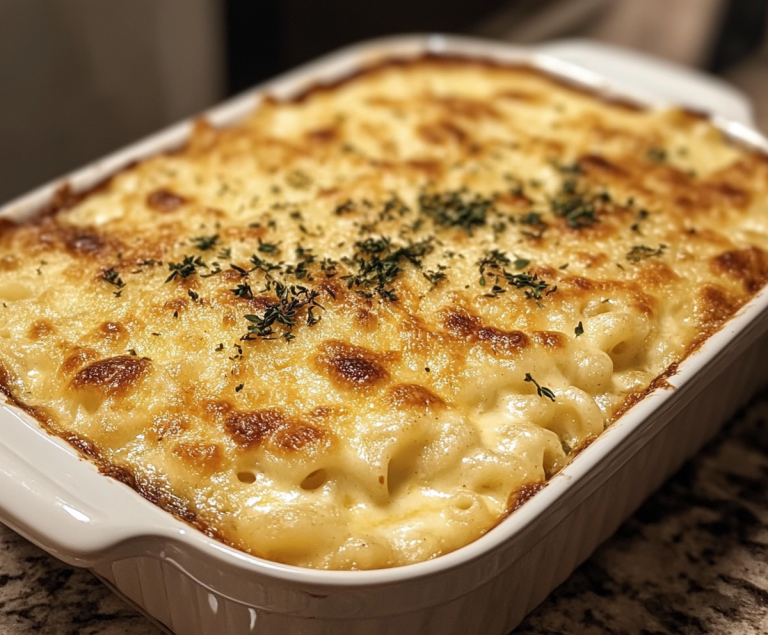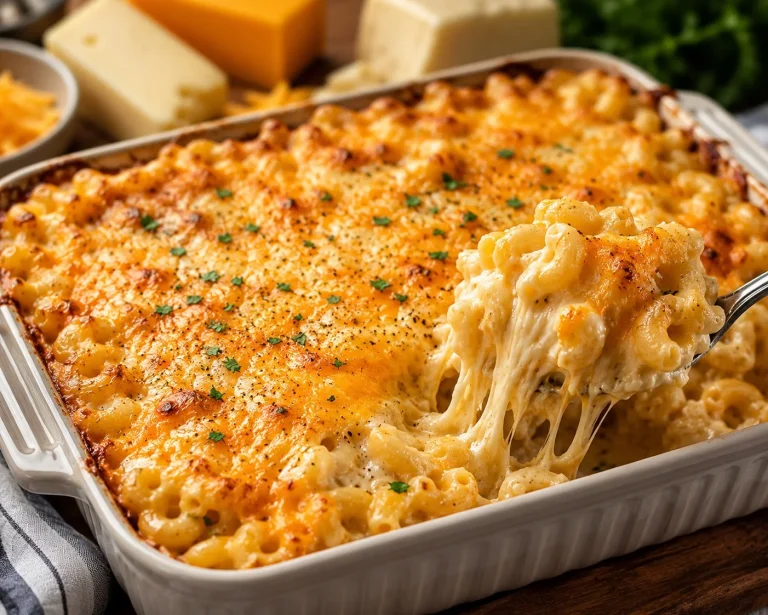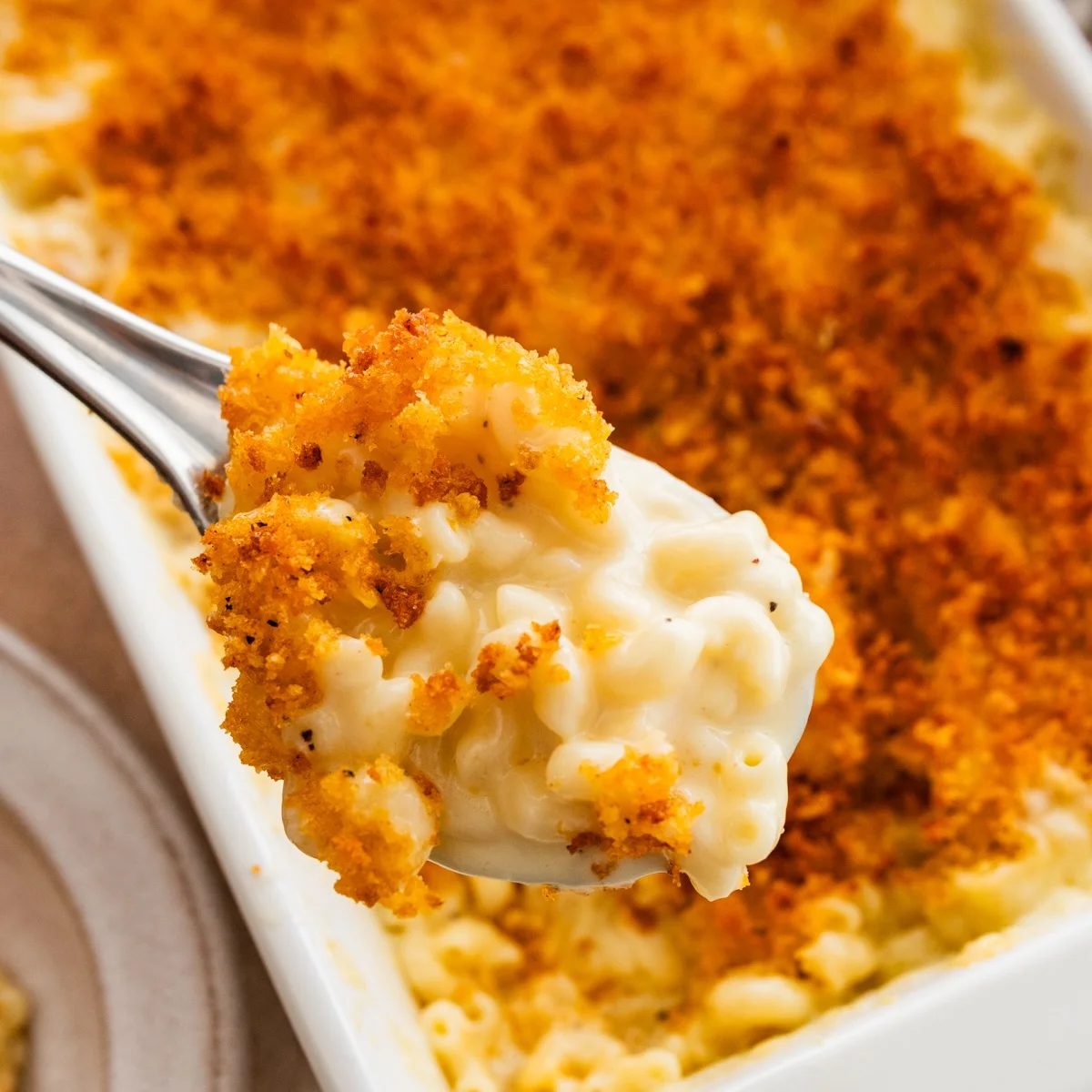
There’s a moment every home cook chases: the first bite of mac and cheese where the sauce clings to every ridge of pasta, the top is bronzed and bubbling, and the inside stays impossibly silky. Most recipes promise this. Few deliver it.
The difference isn’t a secret ingredient. It’s technique — the ratio of roux to milk, the exact moment you pull the dish from the oven, the cheese blend that melts instead of breaking into a greasy mess. Get these details right, and baked mac and cheese stops being a side dish and becomes the reason people ask for seconds.
This recipe is built for consistency. Whether you’re cooking for a Tuesday night dinner or a holiday table, the method below removes the guesswork. No clumpy sauce, no dry edges, no bland centers — just a custardy, cheese-forward bake with a crisp golden crust.
What follows is a full breakdown: ingredients, exact steps, timing, common pitfalls, and the fixes that separate an average pan from an unforgettable one. If you’ve been disappointed by baked mac and cheese before, this is the version that changes that.
Ingredients You’ll Need
Great baked mac and cheese lives or dies by what goes into the pot before it ever sees the oven — and the good news is, none of it requires a special trip to the store.
Base Ingredients
- 1 pound elbow macaroni
- 4 tablespoons unsalted butter
- 4 tablespoons all-purpose flour
- 3 cups whole milk
- 1 cup heavy cream
- 2 cups sharp cheddar cheese, shredded
- 1 cup Gruyère cheese, shredded
- 1 cup mozzarella cheese, shredded
- 1 teaspoon salt
- 1/2 teaspoon black pepper
- 1/2 teaspoon garlic powder
- 1/4 teaspoon smoked paprika
- 1/4 teaspoon ground nutmeg
Optional Add-ins
- 1 cup panko breadcrumbs, for topping
- 2 tablespoons melted butter, for breadcrumb topping
- 1/2 cup crispy bacon bits
- 1/4 cup chopped chives or scallions
- 1 teaspoon Dijon mustard
- 1/2 teaspoon cayenne pepper, for heat
- 1/2 cup caramelized onions
Step-by-Step Instructions
Cook the Pasta
Bring a large pot of generously salted water to a rolling boil. Add the elbow macaroni and cook one to two minutes short of package instructions — it will finish cooking in the oven, so slight undercooking prevents mush. Drain well and set aside. Do not rinse the pasta; the residual starch helps the cheese sauce cling properly once combined, giving you a creamier final texture throughout the bake.
Build the Roux
In a large saucepan, melt the butter over medium heat until foamy. Whisk in the flour immediately, stirring constantly for about two minutes until the mixture turns a pale golden color and smells lightly toasted. This step cooks out the raw flour taste. Avoid rushing it — an undercooked roux leaves a chalky texture in the finished sauce, so patience here pays off later.
Create the Cheese Sauce
Slowly pour in the milk and heavy cream, whisking constantly to prevent lumps. Cook over medium heat until the sauce thickens enough to coat the back of a spoon, roughly five to seven minutes. Reduce heat to low, then stir in the salt, pepper, garlic powder, paprika, and nutmeg. Gradually fold in the cheddar, Gruyère, and mozzarella, stirring in small batches until fully melted and glossy.
Combine and Transfer
Add the drained macaroni to the cheese sauce, folding gently until every piece is coated evenly. If using Dijon mustard, caramelized onions, or bacon bits, stir them in now. Pour the mixture into a buttered 9×13-inch baking dish, spreading it into an even layer. This ensures consistent baking and prevents dry corners or undercooked centers in the finished dish.
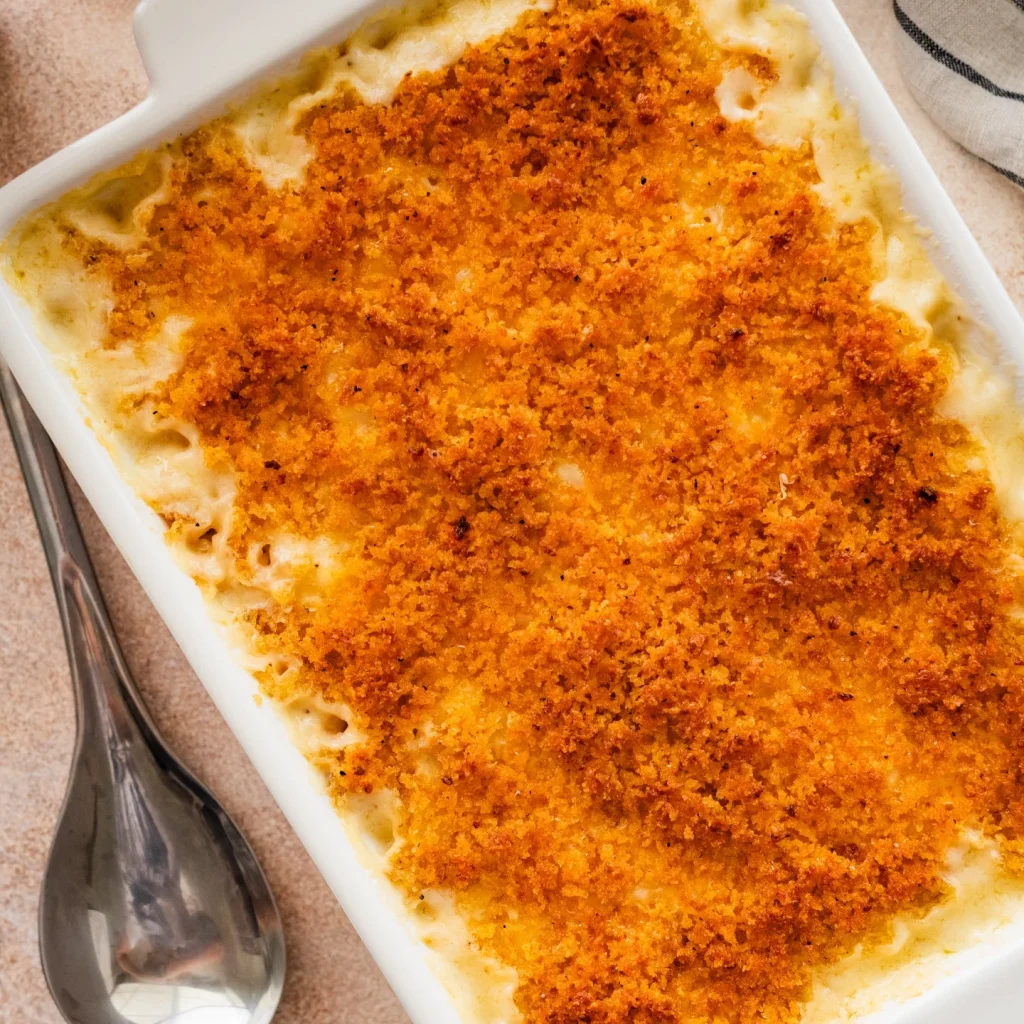
Add the Topping and Bake
Toss panko breadcrumbs with melted butter and scatter evenly over the pasta. Bake uncovered at 375°F for 20 to 25 minutes, until the top is golden brown and the edges are bubbling. Let the dish rest for five minutes before serving — this allows the sauce to set slightly, giving you cleaner, creamier scoops instead of a runny first serving.
Cook Time
Total: 50 minutes
Prep: 20 minutes
Bake: 25 minutes
Servings
This recipe makes approximately 8 generous servings, making it ideal for family dinners, potlucks, or holiday gatherings where second helpings are inevitable. Portioned as a main dish, it comfortably feeds six to eight adults; as a side dish alongside roasted meats or vegetables, it can stretch to serve ten.
The 9×13-inch baking dish is intentionally sized for even heat distribution, so the sauce sets uniformly from center to edge. If you’re cooking for a smaller household, the recipe halves cleanly into an 8×8-inch dish without adjusting bake time significantly.
For larger events, doubling the recipe works well, though it’s best baked in two separate dishes rather than one oversized pan. This keeps the ratio of crisp top to creamy interior consistent across every serving, regardless of batch size.
Common Mistakes in This Recipe
The most frequent misstep is overcooking the pasta before baking. Since the macaroni continues to soften in the oven, boiling it to full doneness on the stovetop results in a mushy, structureless bake by the time it comes out.
Another common error is adding pre-shredded cheese straight from the bag. These shreds are coated in anti-caking agents like cellulose, which prevent smooth melting and often cause the sauce to break into a grainy, oily texture instead of staying silky.
Rushing the roux is a third issue. Skipping the two-minute cooking stage leaves a raw flour taste in the sauce and can cause it to thin out unpredictably once the cheese is added, undermining the final consistency.
Finally, many bakers skip resting the dish after baking, cutting in immediately. This causes the sauce to run thin and separate on the plate rather than holding its creamy, cohesive structure.
Solutions to Common Mistakes
To fix pasta texture, always pull the macaroni off the heat one to two minutes early. It should still have a slight bite, since the baking process finishes the cooking without turning it soft or waterlogged.
For smoother melting, buy block cheese and shred it yourself. It takes a few extra minutes but eliminates the coating that causes clumping, resulting in a sauce that stays silky from stovetop to oven and beyond.
When making the roux, set a timer for two full minutes and stir continuously. The mixture should look pale gold and smell nutty, not raw, before you add any liquid to the pan.
Lastly, resist cutting into the dish immediately. Letting it rest five minutes allows proteins and starches to settle, giving you clean, creamy servings instead of a loose, soupy first scoop.
Nutritional Information (approx. per serving)
- Calories: 480 kcal
- Protein: 20g
- Carbohydrates: 38g
- Fat: 28g
- Saturated Fat: 16g
- Fiber: 1g
- Sugar: 5g
- Sodium: 620mg
- Calcium: 35% DV
Beyond its comfort-food appeal, this dish delivers a meaningful dose of calcium and protein, largely from the cheddar, Gruyère, and mozzarella blend, which supports bone strength and muscle repair. Whole milk and heavy cream contribute fat-soluble vitamins like A and D, both important for immune function and skin health.
The pasta component provides steady energy through complex carbohydrates, making this a satisfying main course rather than an empty-calorie side. Paired with a protein source or vegetable, it becomes a more balanced plate without losing its indulgent character.
While it’s not a low-calorie dish, portion control and ingredient quality make a difference. Using whole milk instead of processed cheese products, for instance, reduces sodium and preservative intake while improving overall nutrient density.
For those managing dietary needs, swapping in reduced-fat milk or part-skim mozzarella can lower the fat content noticeably without sacrificing much of the creamy texture this recipe is known for.
Storage Instructions
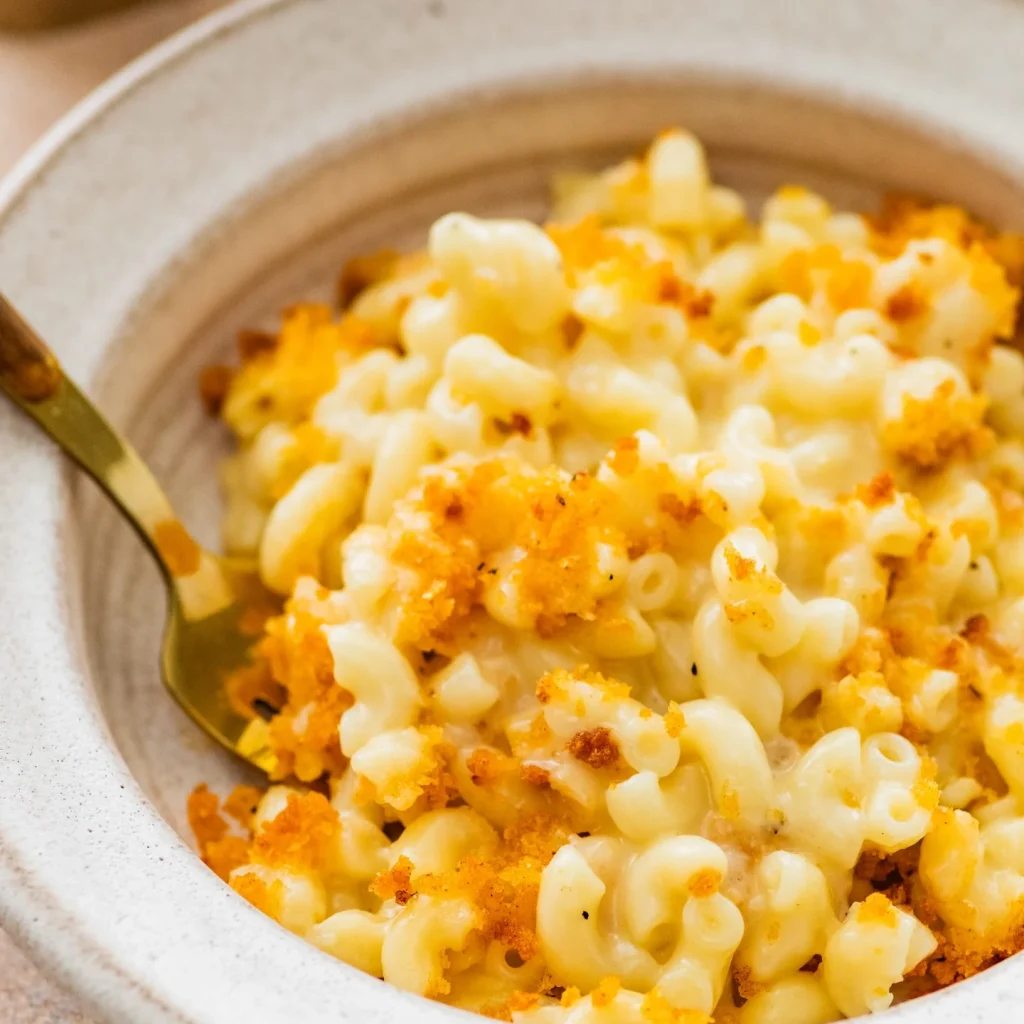
Leftover baked mac and cheese keeps well in the refrigerator for up to four days when stored in an airtight container. Cool the dish completely at room temperature before sealing to prevent condensation from making the top layer soggy during storage.
For longer storage, this dish freezes successfully for up to two months. Portion it into individual servings before freezing, which makes reheating faster and prevents you from having to thaw the entire batch at once for a single meal.
When reheating from the refrigerator, add a splash of milk before microwaving or oven-warming at 350°F. This reintroduces moisture the sauce loses over time, restoring much of its original creaminess rather than leaving it dry or stiff.
Frozen portions are best thawed overnight in the refrigerator before reheating. Baking directly from frozen is possible but requires significantly longer cooking time and often results in uneven heating throughout the dish.
Suggestions
Pair this dish with a sharp, acidic side to balance its richness — a simple arugula salad with lemon vinaigrette or roasted broccoli with garlic works particularly well against the deep cheese flavor.
For protein additions, shredded rotisserie chicken, pulled pork, or crispy bacon can be folded directly into the pasta before baking, turning this side dish into a heartier standalone main course for weeknight dinners.
If you prefer a spicier profile, a few dashes of hot sauce or a swirl of chili crisp on top after baking adds contrast without overwhelming the creamy base. Jalapeños mixed into the sauce work similarly well.
Finally, consider swapping cheese blends seasonally — a smoked gouda in fall, or a sharper aged white cheddar in winter — to keep this recipe feeling new across different occasions and gatherings throughout the year.
Seasonal Relevance
Baked mac and cheese earns its place at the table year-round, but it shines particularly during colder months when rich, warming dishes feel most appropriate for family dinners and gatherings.
In fall, it pairs naturally with roasted squash, turkey, or as a Thanksgiving side dish alongside cranberry sauce and stuffing, offering a creamy contrast to the meal’s other textures and flavors.
Winter holiday tables benefit from this dish as a make-ahead option — it can be assembled a day in advance and baked fresh, easing the workload during busy cooking days like Christmas or New Year’s gatherings.
Even in warmer months, a lighter version with fresh herbs and a smaller portion size works well for potlucks, barbecues, or picnics, proving this recipe adapts comfortably across every season rather than being limited to winter comfort food.
Final Words
Baked mac and cheese, done right, isn’t complicated — it’s a matter of respecting each step rather than rushing toward the finish line. The roux, the cheese blend, the resting time: each detail contributes to the final texture.
This recipe was built to remove the common frustrations home cooks run into, from grainy sauce to mushy pasta, replacing guesswork with a reliable, repeatable method that delivers the same result every time you make it.
Whether this becomes your go-to holiday side or a weeknight comfort meal, the techniques here translate well beyond this single recipe, giving you a stronger foundation for other baked pasta dishes down the line.
Try it once, and don’t be surprised if it becomes the version you return to. Some recipes stay in rotation because they’re easy. This one stays because it consistently delivers something genuinely worth eating.
Frequently Asked Questions
Can I make this dish ahead of time and bake it later?
Yes. Assemble the dish up to a day in advance, cover tightly, and refrigerate unbaked. Add roughly 10 extra minutes to the bake time since it’s starting cold, and check that it’s heated through before serving.
Why did my cheese sauce turn grainy instead of smooth?
Grainy sauce usually results from overheating the cheese or using pre-shredded varieties with anti-caking coatings. Melt cheese over low heat in small batches, and always shred block cheese yourself for the smoothest, most consistent texture.
What’s the best pasta shape if I don’t have elbow macaroni?
Shells, cavatappi, or fusilli all work well since their curves and ridges hold sauce effectively. Avoid long noodles like spaghetti, as they don’t trap the cheese sauce the same way short, textured pasta shapes do.
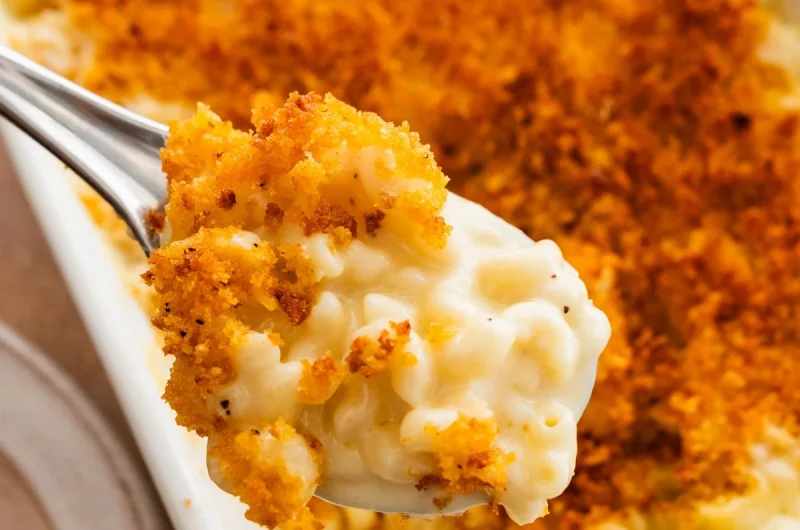
The Creamiest Baked Mac and Cheese Recipe
8
servings20
minutes25
minutes480
kcalA rich, custardy baked mac and cheese with a three-cheese blend and golden panko crust. Silky sauce, tender pasta, and a crisp top — the ultimate comfort dish for family dinners or holiday tables.
Ingredients
Base Ingredients
1 pound elbow macaroni
4 tablespoons unsalted butter
4 tablespoons all-purpose flour
3 cups whole milk
1 cup heavy cream
2 cups sharp cheddar cheese, shredded
1 cup Gruyère cheese, shredded
1 cup mozzarella cheese, shredded
1 teaspoon salt
1/2 teaspoon black pepper
1/2 teaspoon garlic powder
1/4 teaspoon smoked paprika
1/4 teaspoon ground nutmeg
Optional Add-ins
1 cup panko breadcrumbs, for topping
2 tablespoons melted butter, for breadcrumb topping
1/2 cup crispy bacon bits
1/4 cup chopped chives or scallions
1 teaspoon Dijon mustard
1/2 teaspoon cayenne pepper, for heat
1/2 cup caramelized onions
Directions
- Boil salted water and cook macaroni 1–2 minutes short of package instructions. Drain without rinsing.
- Melt butter in a saucepan, whisk in flour, and cook 2 minutes until pale gold.
- Slowly whisk in milk and cream; cook until thickened, about 5–7 minutes.
- Stir in salt, pepper, garlic powder, paprika, and nutmeg.
- Gradually melt in cheddar, Gruyère, and mozzarella until smooth and glossy.
- Fold cooked macaroni into the cheese sauce until evenly coated.
- Stir in any optional add-ins (bacon, mustard, onions) if using.
- Pour into a buttered 9×13-inch dish and spread evenly.
- Toss panko with melted butter and scatter over the top.
- Bake uncovered at 375°F for 20–25 minutes until golden and bubbling.
- Rest for 5 minutes before serving.
Recipe Video
Notes
- Undercook the pasta slightly since it finishes cooking in the oven.
- Always shred cheese from a block for the smoothest melt.
- Don’t skip the resting time — it helps the sauce set properly.
- Reheat leftovers with a splash of milk to restore creaminess.
- Freezes well for up to 2 months; thaw overnight before reheating.