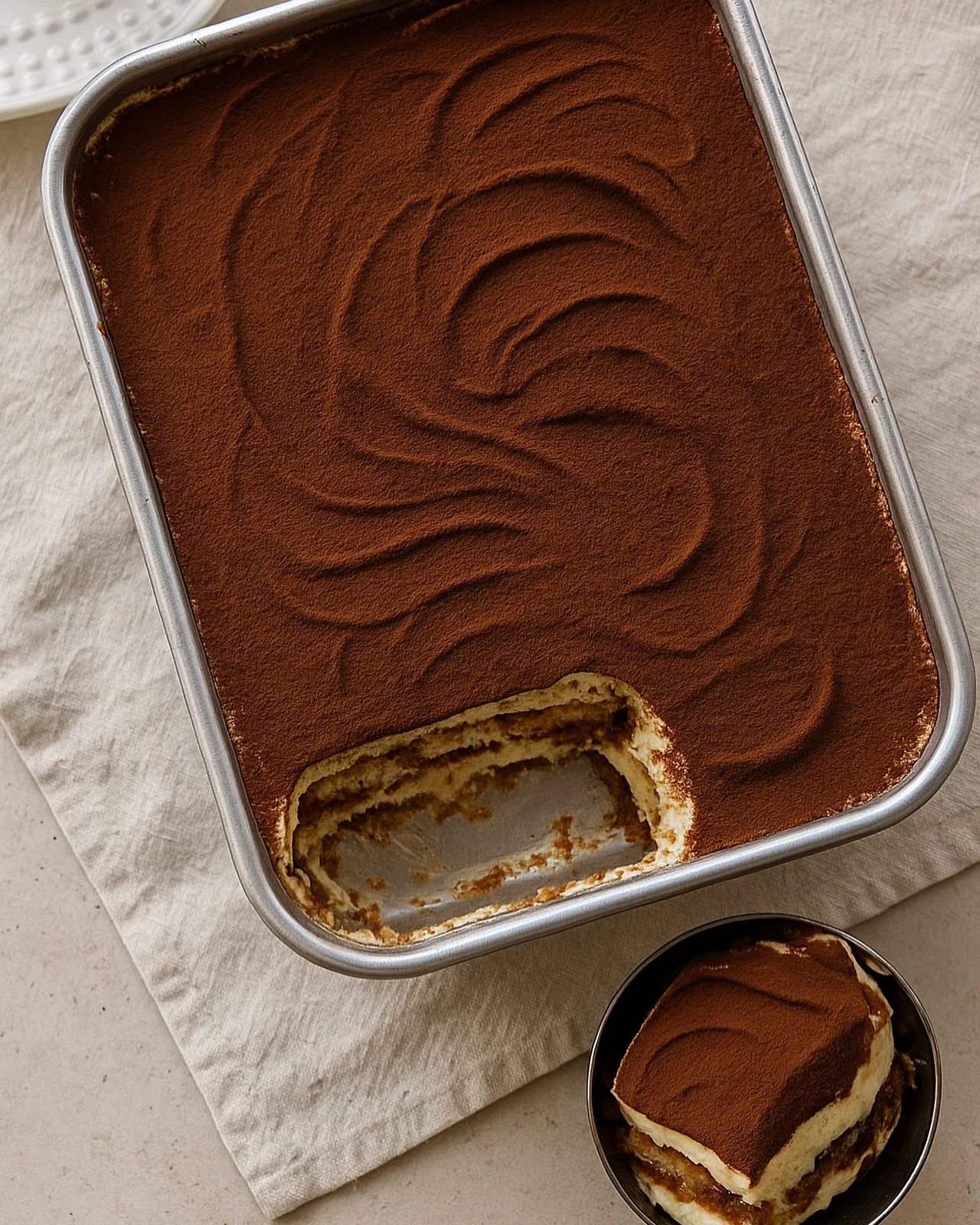
There is a reason tiramisu has survived decades of dessert trends without ever falling out of favor. It does not chase novelty. It relies on contrast: bitter espresso against sweet mascarpone, firm ladyfingers against a cloud-like cream, cocoa dust against pale cream layers. That balance is what makes it feel timeless rather than trendy.
Most people assume tiramisu is difficult because it looks like a restaurant-only dessert. In truth, it is one of the more forgiving desserts you can make at home. There is no baking involved, no delicate sugar work, and no risk of a sunken cake. The technique is really about assembly and patience.
This version sticks close to the traditional Italian method: raw egg yolks whipped with sugar, folded into mascarpone, layered with espresso-soaked ladyfingers. It is rich without being heavy, and the coffee flavor stays forward rather than muted by too much cream.
Whether you are making this for a dinner party, a holiday table, or simply because you want something that tastes like it took far more effort than it did, this recipe will get you there. Let the chilling time do the work, and the result speaks for itself.
Ingredients You’ll Need
Great tiramisu does not hide behind a long ingredient list — it succeeds because every component is doing exactly one job, and doing it well.
Base Ingredients
- 6 large egg yolks
- 3/4 cup granulated sugar
- 16 oz mascarpone cheese, room temperature
- 1 1/2 cups heavy cream, cold
- 2 cups strong brewed espresso, cooled
- 2 tablespoons coffee liqueur (optional but recommended)
- 24 to 30 ladyfinger biscuits (savoiardi)
- 2 tablespoons unsweetened cocoa powder, for dusting
- 1/4 teaspoon salt
Optional Add-ins
- 1 teaspoon vanilla extract
- 1 tablespoon dark rum, in place of coffee liqueur
- 1 oz dark chocolate, finely grated for garnish
- 1/2 teaspoon instant espresso powder, for deeper coffee flavor
- 1 tablespoon Marsala wine, for a more traditional finish
Step-by-Step Instructions
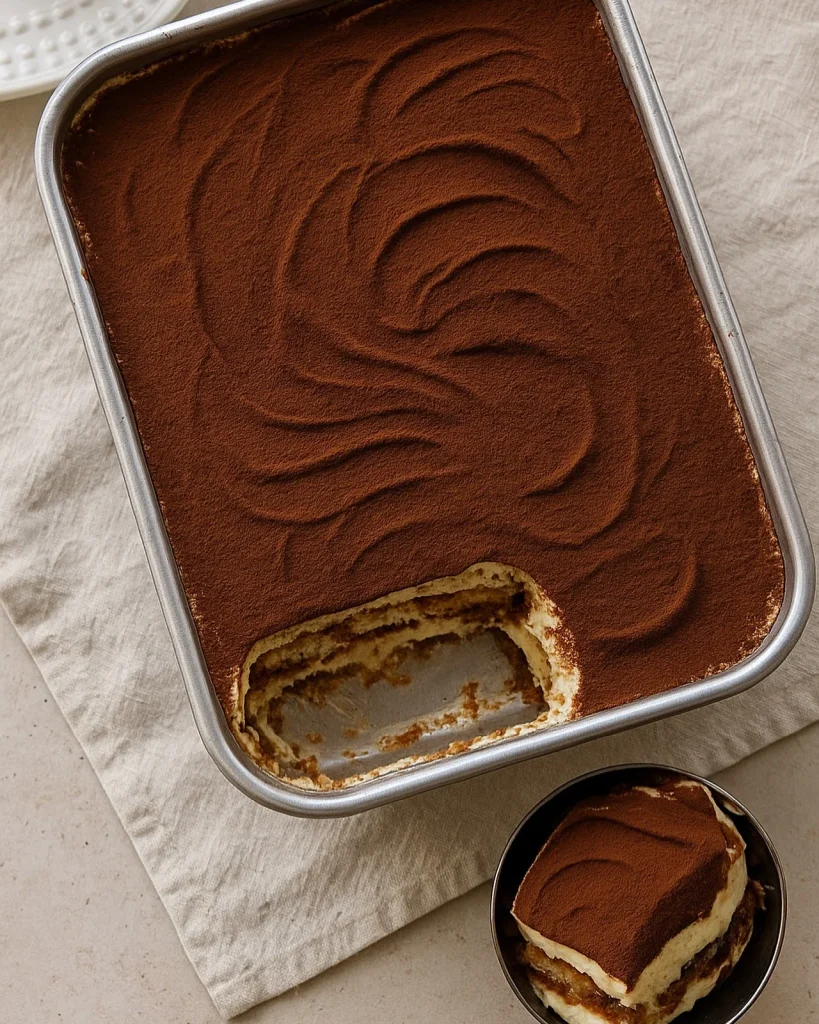
Whip the Egg Yolks and Sugar
In a heatproof bowl set over a pot of gently simmering water, whisk the egg yolks and sugar continuously until the mixture turns pale, thick, and doubles in volume. This should take about 8 to 10 minutes. Keep the heat low so the eggs do not scramble. This step, known as a zabaglione base, is what gives tiramisu its silky, custard-like texture instead of a grainy one. Remove from heat once thickened and let it cool slightly before moving to the next step.
Fold in the Mascarpone
Add the room-temperature mascarpone to the cooled egg mixture in two additions, folding gently with a spatula rather than beating it. Mascarpone breaks down easily if overworked, turning grainy or thin. You want a smooth, thick mixture that holds its shape on a spoon. If using vanilla extract or Marsala wine, stir it in now. Set the mascarpone mixture aside while you prepare the cream in a separate bowl.
Whip the Cream Separately
In a clean, chilled bowl, whip the cold heavy cream until soft to medium peaks form. Do not overwhip, or it will turn buttery and grainy once folded in. Gently fold the whipped cream into the mascarpone mixture in two or three additions, using a light hand to preserve the air you just whipped in. This is what makes the final texture light rather than dense. Cover and refrigerate the mixture briefly while you prepare the coffee dip.
Prepare the Coffee Soak
Combine the cooled espresso with coffee liqueur or rum in a shallow dish wide enough to dip the ladyfingers. If using instant espresso powder for extra depth, stir it in until fully dissolved. The espresso must be fully cooled before dipping, or it will melt the mascarpone cream once layered. Taste it — it should be strong and slightly bitter, since this is the main flavor carrier of the entire dessert.
Dip and Layer the Ladyfingers
Working quickly, dip each ladyfinger into the coffee mixture for one to two seconds per side. Do not soak longer, or the biscuits will turn soggy and collapse under the cream. Arrange a single layer of dipped ladyfingers in the base of your dish, trimming to fit the edges if needed. Spread half of the mascarpone cream evenly over the top, smoothing it with a spatula or the back of a spoon.
Repeat and Chill
Add a second layer of dipped ladyfingers over the cream, followed by the remaining mascarpone mixture, smoothing the top until level. Cover the dish tightly and refrigerate for at least 6 hours, though overnight is strongly preferred. This resting time allows the layers to set and the flavors to fully meld together, which is the single most important step for authentic tiramisu texture.
Dust and Serve
Just before serving, dust the top generously with unsweetened cocoa powder using a fine sieve for even coverage. Add grated dark chocolate on top if desired. Slice with a sharp knife wiped clean between cuts for neat edges. Serve chilled directly from the refrigerator, as tiramisu is meant to be eaten cold rather than at room temperature.
Cook Time
Total: 6 hours 30 minutes (includes chilling)
Prep: 30 minutes
Bake: No baking required
Servings
This recipe makes approximately 9 to 12 generous servings, depending on how you slice it. In a standard 9×13-inch dish, cutting into 12 squares gives portions suitable for a party or family dessert table, while 9 larger squares work better as a plated after-dinner treat.
Because tiramisu is rich, smaller portions tend to satisfy just as well as large ones. A modest 3-inch square paired with coffee is often more appreciated than an oversized slice, especially at the end of a full meal.
If you are serving this for a larger gathering, the recipe doubles cleanly in a larger dish without adjusting technique. Just increase chilling time slightly to account for the thicker layers.
Common Mistakes in This Recipe
The most frequent mistake is over-soaking the ladyfingers. Home cooks often treat the coffee dip like a full submersion, holding the biscuit under the liquid for several seconds. This causes the ladyfingers to absorb too much moisture, resulting in a soggy, structureless dessert that slides apart when sliced.
Another common issue is overwhipping the heavy cream or mascarpone. Once mascarpone is beaten too aggressively, its fat structure breaks down, leaving a thin, slightly curdled texture instead of a smooth, thick cream.
Using warm or hot espresso for the soak is a mistake that is easy to overlook. Warm coffee melts the mascarpone layer on contact, creating uneven pockets of liquid throughout the dessert instead of clean, defined layers.
Finally, many people rush the chilling time, serving tiramisu after only an hour or two. Without proper rest, the layers have not set, and the flavors taste disconnected rather than unified.
Solutions to Common Mistakes
To avoid soggy layers, dip each ladyfinger for no more than one to two seconds per side, moving quickly rather than letting the biscuit linger in the liquid. A quick dunk is enough to soften without collapsing.
For the cream, always whip heavy cream to soft or medium peaks only, and fold rather than beat when combining it with mascarpone. Stop as soon as the mixture is smooth and holds its shape.
Always brew your espresso ahead of time and let it cool completely, or even chill it briefly, before using it for the soak. This keeps every layer distinct and prevents melting.
Plan your prep the night before serving whenever possible. A full 6 to 8 hour chill, or overnight rest, gives the dessert time to firm up and develop its signature texture and flavor depth.
Nutritional Information (approx. per serving)
- Calories: 310 kcal
- Protein: 6 g
- Carbohydrates: 22 g
- Fat: 22 g
- Saturated Fat: 13 g
- Sugar: 14 g
- Cholesterol: 145 mg
- Caffeine: 40 mg
While tiramisu is undeniably a treat rather than an everyday food, mascarpone and eggs do contribute meaningful protein and calcium compared to many other desserts in the same category. This makes it a slightly more satiating option when served in moderate portions.
The espresso content offers a mild caffeine boost, which is part of why tiramisu has traditionally been served as an after-dinner dessert rather than a daytime snack. It pairs naturally with the body’s post-meal digestion window.
Because the recipe relies on real dairy rather than processed whipped toppings, the fat content, while notable, comes from a more recognizable source. Portion control remains the simplest way to enjoy it without excess.
Compared to baked cakes loaded with refined flour, this no-bake format keeps the carbohydrate count comparatively moderate per serving, especially when portioned into smaller squares for gatherings.
Storage Instructions
Tiramisu stores exceptionally well in the refrigerator, which is part of why it is such a practical make-ahead dessert. Cover the dish tightly with plastic wrap or transfer slices into an airtight container, and it will keep well for up to 4 days without losing quality.
Avoid freezing tiramisu once it has been fully assembled with the coffee soak, as the ladyfingers can turn mushy and the cream texture may separate upon thawing. If you want to freeze it, do so before adding the final cocoa dusting, and expect a slightly softer texture once thawed.
For best results, always dust with cocoa powder just before serving rather than in advance, since cocoa can absorb moisture over time and lose its clean, powdery finish.
If transporting tiramisu to an event, keep it chilled during transit and add the cocoa topping only once you arrive, preserving both texture and presentation until the moment it is served.
Suggestions
For an extra layer of flavor, try adding a thin layer of shaved dark chocolate or espresso beans between the cream layers rather than only on top, giving each bite a slightly more textured finish.
If you prefer a non-alcoholic version, simply omit the coffee liqueur or rum entirely and increase the espresso slightly to maintain the same depth of coffee flavor without losing intensity.
Individual glasses or jars make an elegant presentation alternative to a large baking dish, especially for dinner parties where portion control and easy serving matter more than a traditional sliced presentation.
Pair the finished dessert with a small espresso or cappuccino on the side. The echo of coffee flavor in both the dessert and the drink creates a cohesive, restaurant-style dessert course at home.
Seasonal Relevance
While tiramisu is enjoyed year-round, it holds a particular place at winter holiday tables, where its rich, coffee-forward profile feels appropriate alongside heavier festive meals. It is a common closer for Christmas and New Year gatherings across Italy and beyond.
In warmer months, tiramisu also works well as a chilled, no-bake dessert option when turning on the oven feels less appealing. Its refrigerated nature makes it a practical summer party dessert as well.
It appears frequently at celebratory occasions such as anniversaries and birthdays, largely because it can be prepared a day in advance, freeing up time for hosts on the day of the event itself.
Regardless of season, its make-ahead nature is what keeps it in steady rotation. Few desserts offer this level of make-ahead convenience while still tasting like a special, restaurant-quality finish.
Final Words
Tiramisu earns its reputation not through complicated technique, but through patience and balance. Getting the coffee strength right, whipping the cream to the correct stage, and allowing enough chilling time are the true determining factors between an average result and an exceptional one.
This recipe follows the traditional Italian method closely while remaining approachable for home kitchens without professional pastry experience. There is no baking risk involved, which removes much of the anxiety associated with more delicate desserts.
Once you have made it a few times, you will likely find your own small adjustments, whether that is a stronger espresso, a splash more liqueur, or a heavier dusting of cocoa on top.
Make it the night before your next gathering, let it rest in the refrigerator, and let the layers do the talking. Few desserts deliver this much payoff for this little active effort.
Frequently Asked Questions
Can I make tiramisu without raw eggs?
Yes, you can substitute a pasteurized egg product or use a cooked zabaglione method where the yolks are heated to a safe temperature while whisking, which is the technique used in this recipe.
Why did my tiramisu turn out watery instead of firm?
This usually happens when the ladyfingers were over-soaked, the cream was underwhipped, or the dessert was not chilled long enough. Proper dipping time and a full 6 to 8 hour rest solve most texture issues.
Can I substitute mascarpone with cream cheese?
Cream cheese can work in a pinch, but it has a tangier flavor and denser texture than mascarpone. For a closer match, blend cream cheese with a small amount of heavy cream before using.
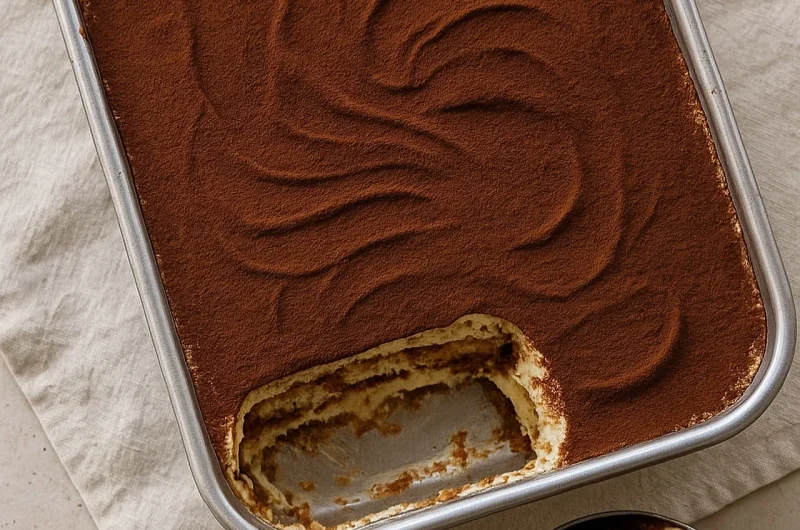
Classic Tiramisu with Creamy Layers and Rich Coffee Flavor
9
servings30
minutes310
kcalA classic no-bake Italian dessert with silky mascarpone cream, espresso-soaked ladyfingers, and a rich cocoa finish. Simple to make, elegant to serve, and always a crowd favorite at any gathering.
Ingredients
Base Ingredients:
6 large egg yolks
3/4 cup granulated sugar
16 oz mascarpone cheese, room temperature
1 1/2 cups heavy cream, cold
2 cups strong brewed espresso, cooled
2 tablespoons coffee liqueur (optional but recommended)
24 to 30 ladyfinger biscuits (savoiardi)
2 tablespoons unsweetened cocoa powder, for dusting
1/4 teaspoon salt
Optional Add-ins:
1 teaspoon vanilla extract
1 tablespoon dark rum, in place of coffee liqueur
1 oz dark chocolate, finely grated for garnish
1/2 teaspoon instant espresso powder, for deeper coffee flavor
1 tablespoon Marsala wine, for a more traditional finish
Directions
- Whisk egg yolks and sugar over a double boiler until pale and thickened, about 8 to 10 minutes.
- Remove from heat, cool slightly, then fold in room-temperature mascarpone in two additions.
- In a separate bowl, whip cold heavy cream to soft or medium peaks.
- Gently fold whipped cream into the mascarpone mixture until smooth and airy.
- Combine cooled espresso with coffee liqueur (and instant espresso powder, if using) in a shallow dish.
- Dip each ladyfinger for 1 to 2 seconds per side and arrange in a single layer in the dish.
- Spread half of the mascarpone cream evenly over the ladyfingers.
- Repeat with a second layer of dipped ladyfingers and remaining cream, smoothing the top.
- Cover tightly and refrigerate for at least 6 hours, or overnight for best results.
- Dust with cocoa powder just before serving and slice with a clean, sharp knife.
Recipe Video
Notes
- Use fully cooled espresso to prevent melting the cream layers.
- Do not over-soak ladyfingers, or the texture will turn soggy.
- Chilling overnight gives the best flavor and firmest texture.
- Dust cocoa powder right before serving to keep it from absorbing moisture.
- Recipe can be doubled in a larger dish for bigger gatherings.