There’s a specific kind of disappointment that comes from ordering chicken alfredo at a restaurant and getting a bowl of gluey, over-salted noodles drowning in a sauce that separated somewhere between the kitchen and your table. It happens more often than it should, and it’s almost always the same culprit: heat that ran too hot, too fast.
The good news is that restaurant-quality alfredo isn’t guarded by some secret ingredient or a decade of culinary training. It comes down to technique, and once you understand the two or three moments where things typically go wrong, you can avoid them every single time.
This recipe walks you through a version that rivals the Olive Garden classic people request by name, built on a gently warmed cream base, parmesan stirred in off the heat, and a splash of starchy pasta water to bring it all together into something silky rather than clumpy.
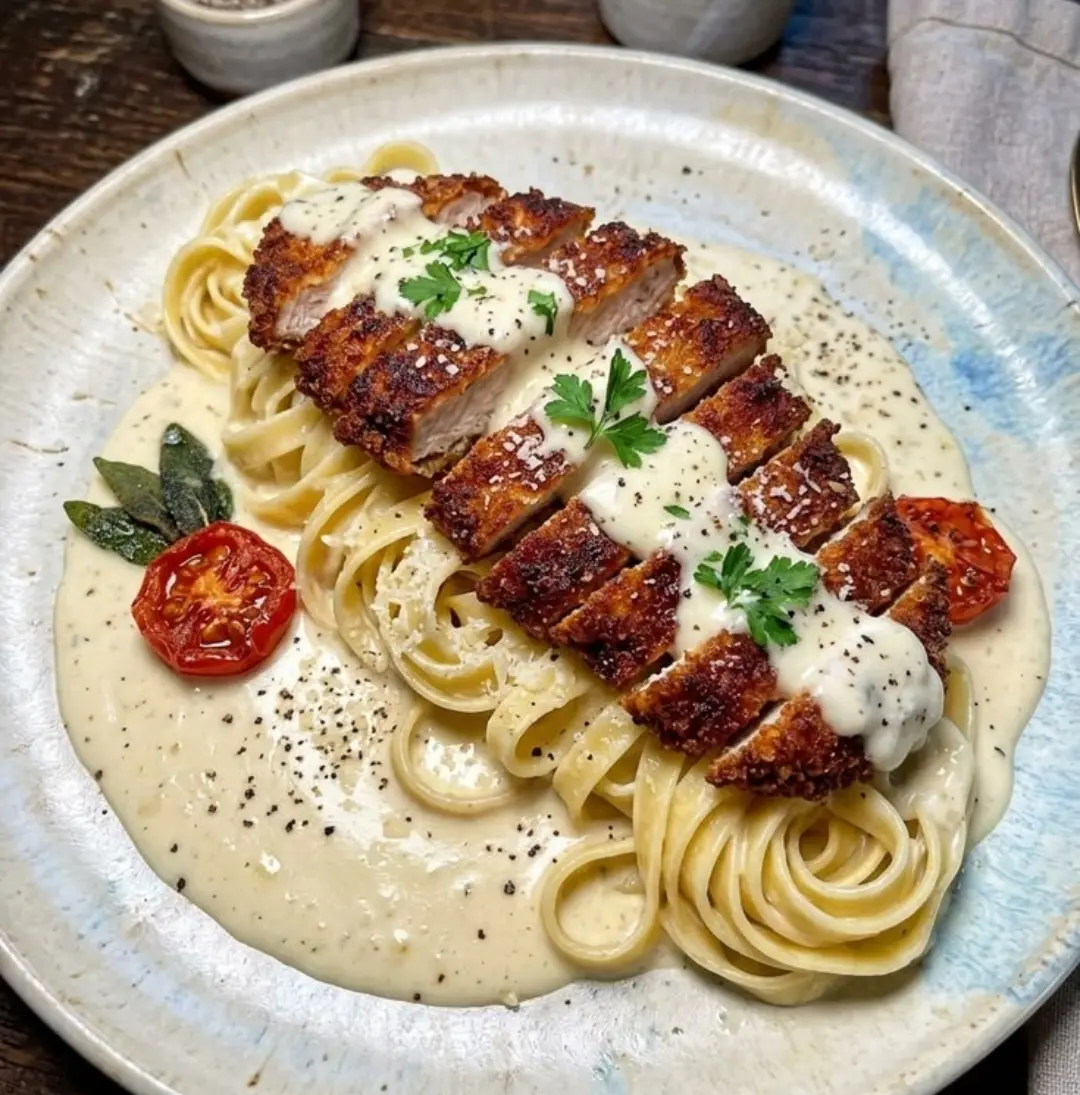
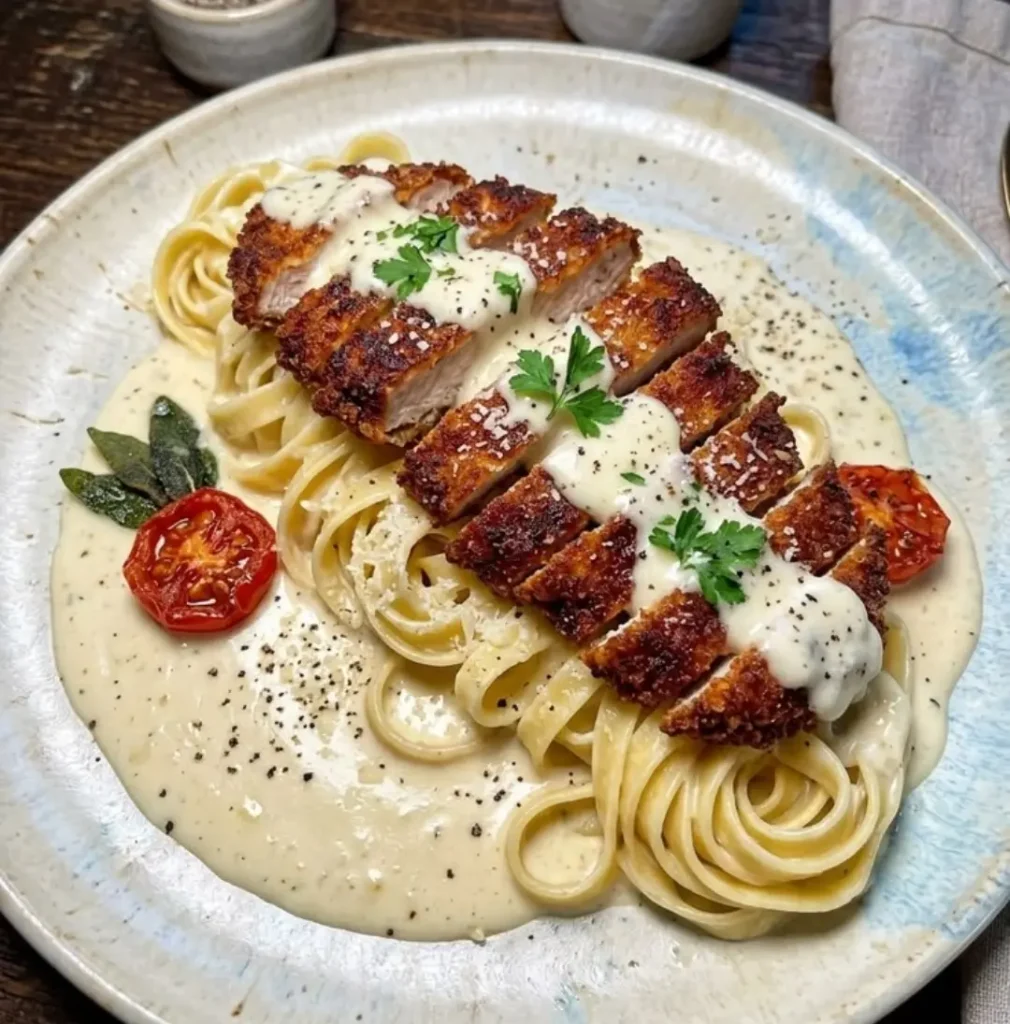
Golden, well-seared chicken goes on top of fettuccine that’s still hot enough to soak up every bit of sauce clinging to the pan. Thirty minutes, start to finish, and no culinary degree required.
Ingredients You’ll Need
Great alfredo isn’t about a long shopping list, it’s about respecting a short one. This dish leans on a handful of ingredients doing exactly what they’re supposed to do, and chances are your pantry and fridge are already halfway stocked for it.
Base Ingredients
- 2 boneless, skinless chicken breasts
- 12 ounces fettuccine pasta
- 4 tablespoons unsalted butter
- 3 cloves garlic, minced
- 1 1/2 cups heavy cream
- 1 cup freshly grated parmesan cheese
- 1/2 teaspoon salt
- 1/2 teaspoon black pepper
- 1/2 teaspoon garlic powder
- 1/2 teaspoon Italian seasoning
- 2 tablespoons olive oil
- 1/2 cup reserved pasta water
Optional Add-ins
- 1/4 cup chopped fresh parsley
- 1/2 cup sun-dried tomatoes, sliced
- 2 cups baby spinach
- 1/4 teaspoon crushed red pepper flakes
- 1/4 cup grated pecorino romano
- 4 slices crispy bacon, crumbled
Step-by-Step Instructions
Season and Sear the Chicken
Pat the chicken breasts dry with paper towels so they sear instead of steam. Season both sides generously with salt, pepper, and garlic powder. Heat olive oil in a large skillet over medium-high heat until it shimmers. Add the chicken and sear for 6 to 7 minutes per side, undisturbed, until a deep golden crust forms and the internal temperature reaches 165°F. Transfer to a cutting board to rest for five minutes before slicing into strips. Resting keeps the juices locked in rather than pooling out onto the board.
Cook the Fettuccine
While the chicken rests, bring a large pot of generously salted water to a rolling boil. Add the fettuccine and cook according to package directions until al dente, stirring occasionally to prevent sticking. Before draining, scoop out and reserve half a cup of the starchy pasta water, this is your sauce’s secret weapon later. Drain the pasta and set it aside, but don’t rinse it. That surface starch is exactly what helps the alfredo sauce cling to every strand instead of sliding right off.
Build the Sauce Base
In the same skillet used for the chicken, lower the heat to medium and melt the butter, scraping up any browned bits left behind. Add the minced garlic and cook for 30 to 45 seconds until fragrant, watching closely so it doesn’t scorch. Pour in the heavy cream, stirring constantly, and let it warm gently for two to three minutes. The mixture should barely simmer, not boil. High heat at this stage is the single fastest way to end up with a broken, grainy sauce.
Melt in the Parmesan
Remove the skillet from the heat completely before adding the parmesan. This one step separates smooth alfredo from clumpy alfredo. Sprinkle the cheese in gradually, whisking continuously until it fully melts into the cream. If the sauce looks too thick or tight, add the reserved pasta water a tablespoon at a time until it loosens into a pourable, glossy consistency. Stir in the Italian seasoning along with a pinch more salt and pepper, tasting as you go.
Combine and Serve
Return the skillet to low heat and add the drained fettuccine directly into the sauce, tossing with tongs until every strand is coated. Layer the sliced chicken on top, along with any optional add-ins like spinach or sun-dried tomatoes if using. Let everything warm together for one minute so the flavors meld. Finish with a scatter of fresh parsley and extra parmesan, then serve immediately while the sauce is still glossy and warm.
Cook Time
Total: 30 minutes
Prep: 10 minutes
Bake: N/A (stovetop recipe, 20 minutes cook time)
Servings
This recipe makes approximately 4 generous servings, each one landing squarely between a hearty weeknight dinner and something you’d happily plate for guests. The portions are built around a full pound of fettuccine paired with two chicken breasts, which keeps the ratio of sauce to pasta to protein well balanced rather than skewing too heavy in any one direction.
If you’re feeding a bigger table, the recipe scales cleanly. Doubling the cream and parmesan while adding a third chicken breast comfortably stretches this to six servings without diluting the sauce’s richness or throwing off the seasoning balance.
For smaller households, it also reheats well enough to serve as planned leftovers, so cooking the full batch even for two people isn’t wasteful, it simply becomes tomorrow’s lunch.
Common Mistakes in This Recipe
The most frequent misstep is cranking the heat too high once the cream hits the pan. Dairy sauces are sensitive, and aggressive heat causes the fat and proteins to separate, leaving behind a greasy, broken texture instead of a smooth emulsion.
A close second is dumping cold, pre-shredded parmesan straight into a simmering pan. Bagged parmesan is coated in anti-caking agents that resist melting smoothly, and adding it while the sauce is still boiling only makes clumping worse.
Overcooking the chicken is another common issue, especially when cooks leave it in the pan while multitasking on the sauce. Dry, rubbery chicken undermines an otherwise excellent dish.
Finally, skipping the pasta water step leaves many home cooks with a sauce that tightens up and turns pasty as it cools on the plate.
Solutions to Common Mistakes
Keep the burner at medium or lower the entire time the cream is in the pan, and treat any simmer as a warning sign to pull back the heat immediately rather than pushing through.
Always grate parmesan fresh off the block, and add it only after the pan is off the heat completely, whisking gradually rather than dumping it in all at once.
Use a meat thermometer instead of guessing, pulling the chicken at exactly 165°F, then tenting it loosely with foil so it stays warm without continuing to cook on the board.
Reserve pasta water before draining, without exception, and keep it nearby so you can loosen the sauce in small increments the moment it starts looking too thick.
Nutritional Information (approx. per serving)
- Calories: 720
- Protein: 38g
- Carbohydrates: 52g
- Fat: 40g
- Saturated Fat: 22g
- Sodium: 640mg
- Fiber: 2g
Beyond the indulgent flavor, this dish delivers a genuinely solid protein count per serving, largely thanks to the seared chicken breast, which supports muscle repair and helps keep you fuller for longer than a plain pasta dish would.
The heavy cream and parmesan contribute calcium, which plays a role in bone strength, alongside a dose of fat-soluble vitamins that your body absorbs more efficiently in the presence of dietary fat.
Garlic, used generously throughout the sauce, brings modest anti-inflammatory and immune-supporting compounds to the table, adding more than just aromatic depth to the dish.
Because this is a from-scratch sauce rather than a jarred one, you retain full control over sodium and preservatives, which is a meaningful advantage over most store-bought alfredo alternatives.
Storage Instructions
Let any leftover alfredo cool to room temperature before transferring it to an airtight container, ideally within two hours of cooking to keep it safely out of the temperature danger zone.
Refrigerated leftovers hold well for up to three days. The sauce will thicken considerably once chilled, which is completely normal and simply a result of the butter and cream solidifying slightly in the cold.
Freezing is possible but not ideal, since cream-based sauces have a tendency to separate once thawed. If you do freeze it, use a freezer-safe container and plan to use it within one month for the best texture.
When reheating, use low heat on the stovetop and add a splash of milk or reserved pasta water to bring the sauce back to its original silky consistency rather than microwaving it dry.
Suggestions
Serve this alfredo alongside a simple arugula salad dressed in lemon and olive oil, the bright acidity cuts through the richness of the sauce and keeps the meal from feeling one-note.
Garlic bread is a natural pairing here, not just for tradition’s sake, but because it’s genuinely useful for scraping up the last bit of sauce left on the plate.
If you want to lighten the dish slightly, swapping half the fettuccine for zucchini noodles or adding extra spinach cuts down on refined carbs without sacrificing the creamy experience people come to this recipe for.
For a Sunday dinner feel, pour a crisp white wine like Pinot Grigio alongside it, the acidity complements the cream beautifully and elevates the whole meal.
Seasonal Relevance
While chicken alfredo works year-round, it genuinely shines during the colder months, when a rich, warming pasta dish feels far more appropriate than something light and chilled.
Fall and winter dinner tables benefit from meals like this one that come together quickly but still feel substantial enough to serve for a holiday gathering or a cozy weeknight in.
In warmer months, the dish can be adapted by folding in seasonal vegetables like asparagus in spring or fresh cherry tomatoes in summer, keeping it relevant even when the weather doesn’t call for heavy cream sauces.
Regardless of season, its 30-minute timeline makes it a dependable option whenever you want a restaurant-style meal without restaurant-style waiting.
Final Words
Chicken alfredo has a reputation for being finicky, but as this recipe shows, the difference between a broken sauce and a silky one usually comes down to just a couple of controllable moments in the cooking process.
Once you internalize the low-and-slow approach to the cream, the off-heat parmesan trick, and the value of reserved pasta water, you’ll find this dish becomes one you can make confidently without measuring anxiously or checking a recipe card every step of the way.
It’s the kind of meal that impresses guests without demanding hours in the kitchen, and it holds up just as well on a random Tuesday as it does for a planned dinner party.
Give it a try this week, and don’t be surprised if it becomes a permanent fixture in your dinner rotation.
Frequently Asked Questions
Can I use half-and-half instead of heavy cream?
Half-and-half will work in a pinch, but the sauce will be noticeably thinner and less rich. If you substitute it, reduce the heat even further and expect to use less pasta water, since the sauce won’t need as much loosening to reach a pourable consistency.
Why did my sauce turn out grainy instead of smooth?
Graininess almost always comes from overheating the parmesan or adding pre-shredded cheese with anti-caking additives. Stick to freshly grated parmesan, remove the pan from heat before adding it, and whisk gradually rather than all at once for a consistently smooth result.
Can I make this dish ahead of time for meal prep?
Yes, though it’s best stored with the sauce and pasta separate if possible. Reheat gently on the stovetop with a splash of milk or reserved pasta water to restore the original creamy texture, since refrigeration naturally thickens the sauce considerably.
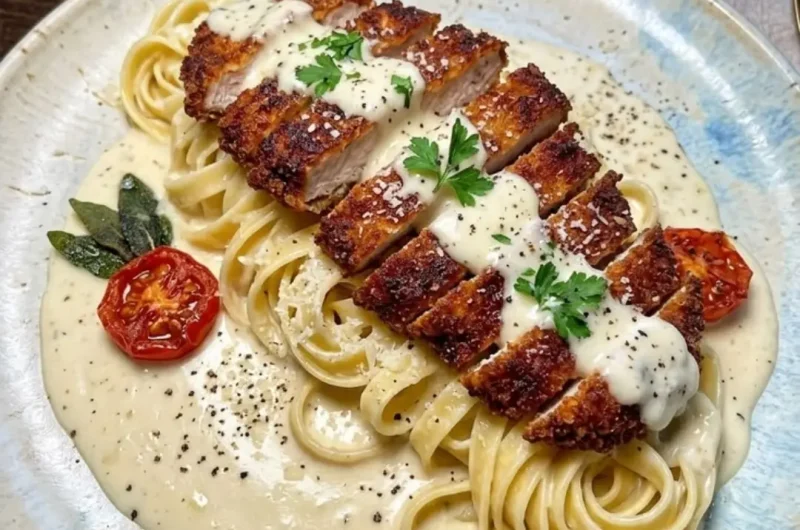
Easy Chicken Alfredo That Tastes Like a Restaurant Favorite
4
servings10
minutes20
minutes720
kcalCreamy, restaurant-style chicken alfredo made with golden seared chicken, silky parmesan sauce, and hot fettuccine that soaks up every drop. Ready in just 30 minutes, no fancy skills required.
Ingredients
2 boneless, skinless chicken breasts
12 ounces fettuccine pasta
4 tablespoons unsalted butter
3 cloves garlic, minced
1 1/2 cups heavy cream
1 cup freshly grated parmesan cheese
1/2 teaspoon salt
1/2 teaspoon black pepper
1/2 teaspoon garlic powder
1/2 teaspoon Italian seasoning
2 tablespoons olive oil
1/2 cup reserved pasta water
Optional Add-ins:
1/4 cup chopped fresh parsley
1/2 cup sun-dried tomatoes, sliced
2 cups baby spinach
1/4 teaspoon crushed red pepper flakes
1/4 cup grated pecorino romano
4 slices crispy bacon, crumbled
Directions
- Pat chicken breasts dry and season both sides with salt, pepper, and garlic powder.
- Heat olive oil in a large skillet over medium-high heat and sear chicken 6–7 minutes per side until golden and cooked to 165°F.
- Rest chicken for 5 minutes, then slice into strips.
- Boil salted water and cook fettuccine until al dente. Reserve 1/2 cup pasta water, then drain.
- In the same skillet, melt butter over medium heat and sauté garlic for 30–45 seconds.
- Pour in heavy cream and let it warm gently for 2–3 minutes without boiling.
- Remove skillet from heat, then whisk in parmesan gradually until melted and smooth.
- Add reserved pasta water as needed to loosen the sauce, then stir in Italian seasoning, salt, and pepper.
- Return skillet to low heat, add drained fettuccine, and toss to coat.
- Top with sliced chicken and any optional add-ins, warm for 1 minute, and garnish with parsley before serving.
Recipe Video
Notes
- Keep the heat low to medium once cream is added to prevent the sauce from breaking.
- Always use freshly grated parmesan, not pre-shredded, for a smooth sauce.
- Use a meat thermometer to avoid overcooking the chicken.
- Reserved pasta water is key to loosening the sauce to the right consistency.
- Sauce thickens when chilled; reheat gently with a splash of milk or pasta water.