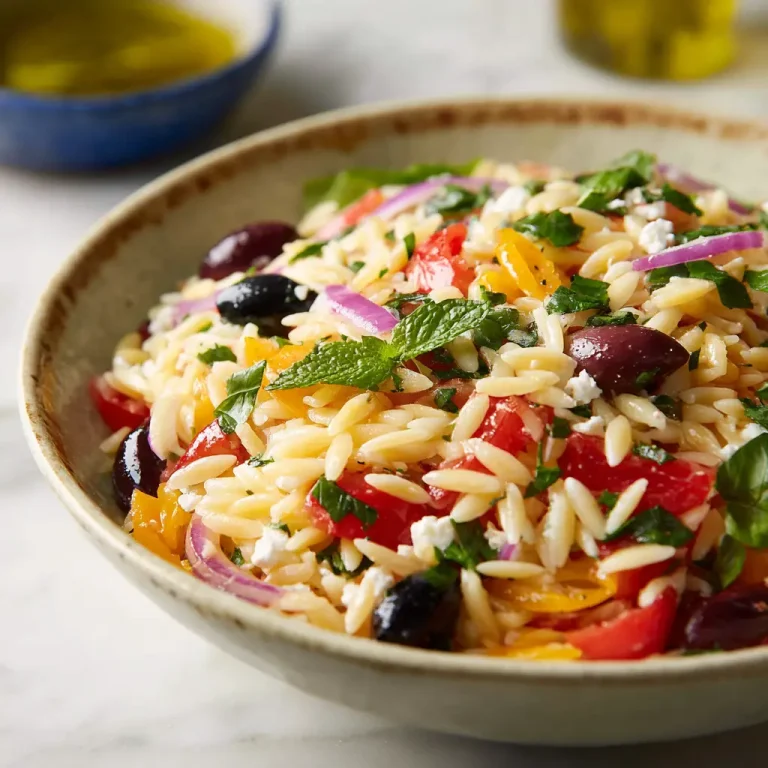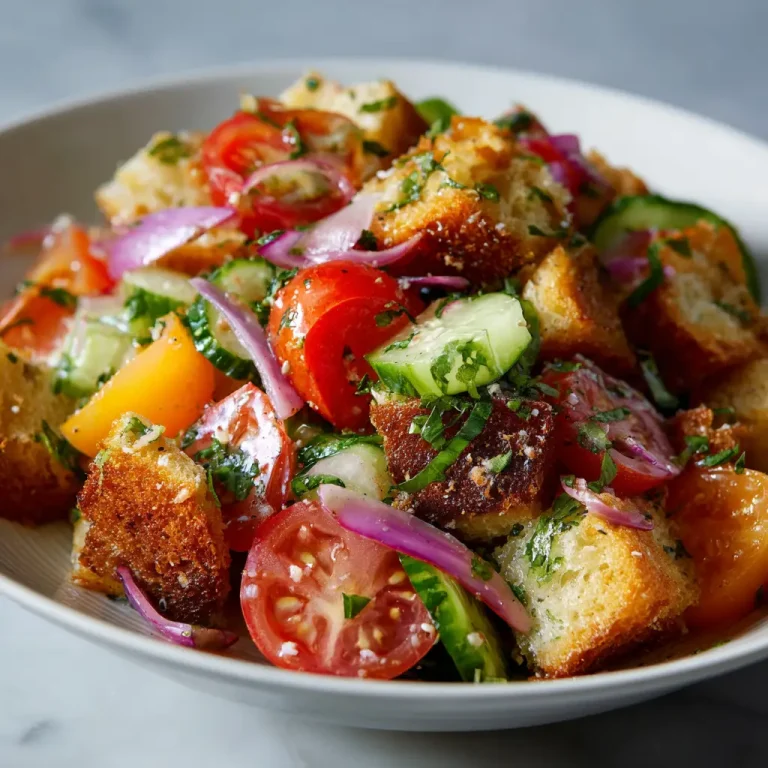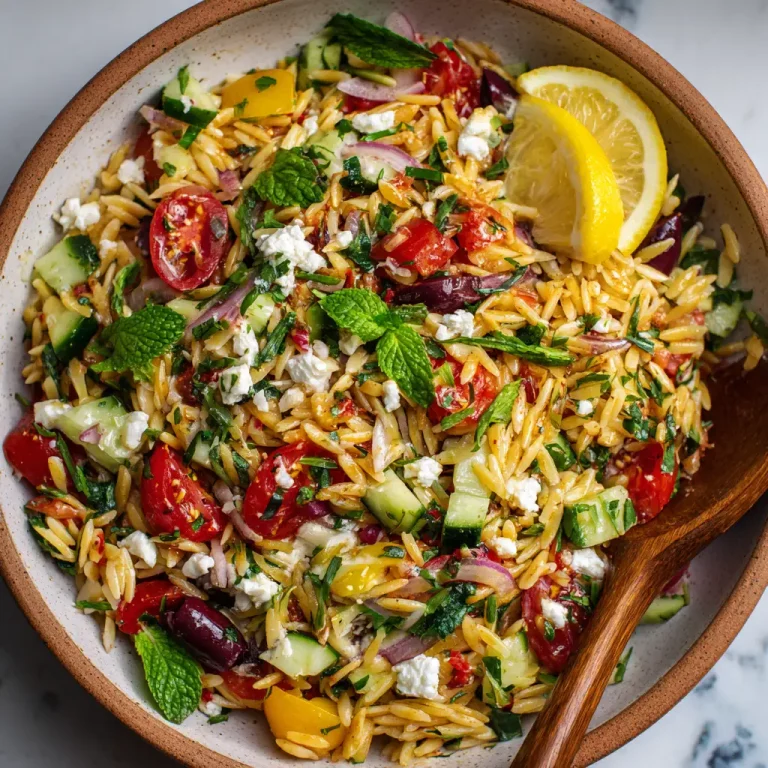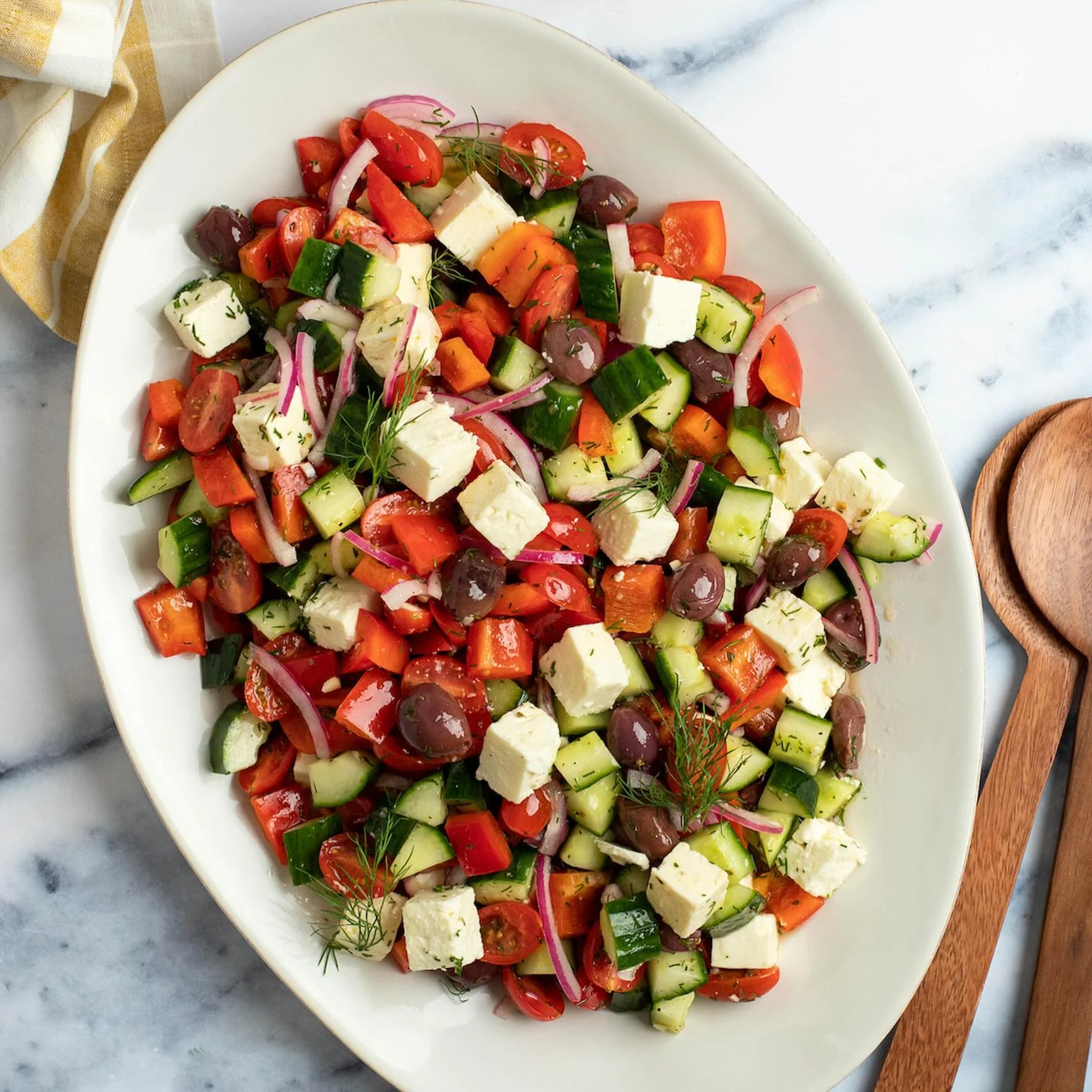
There’s a reason Greek salad has survived decades of food trends without ever falling out of favor. It doesn’t chase novelty. It relies on a handful of honest ingredients — ripe tomatoes, crisp cucumber, briny olives, and a thick slab of feta — treated with enough respect to let each one speak for itself. No lettuce padding it out, no unnecessary fuss.
What makes this version worth bookmarking is balance. Too many home versions drown the vegetables in dressing or skimp on the feta until it barely registers. Here, every component is measured with intention, so the acidity, salt, and freshness land in equal proportion. The result tastes like something you’d order at a seaside taverna, not a rushed weeknight side.
This is also one of the most forgiving recipes you’ll ever make. It comes together in under fifteen minutes, requires no cooking, and holds up beautifully whether you’re feeding two people or a table of ten. It’s the kind of dish that quietly becomes a staple once you’ve made it properly.
Below, you’ll find the exact method I use, the mistakes that most often derail it, and how to store leftovers without sacrificing texture. Let’s get into it.
Ingredients You’ll Need
Great Greek salad isn’t about a long ingredient list — it’s about choosing a short one wisely and knowing exactly how much of each element earns its place on the plate.
One of the things I love about this recipe is that it uses simple pantry ingredients. You probably already have most of them in your kitchen.
Base Ingredients
- 3 large ripe tomatoes, cut into wedges
- 1 English cucumber, sliced into half-moons
- 1 green bell pepper, sliced into rings
- 1/2 red onion, thinly sliced
- 1/2 cup Kalamata olives
- 200 grams block feta cheese
- 1/4 cup extra virgin olive oil
- 2 tablespoons red wine vinegar
- 1 teaspoon dried oregano
- Salt, to taste
- Freshly cracked black pepper, to taste
Optional Add-ins
- 1 teaspoon capers, drained
- 1/2 teaspoon dried mint
- 1 clove garlic, minced
- 1/4 cup fresh parsley, chopped
- A pinch of chili flakes
- 1 tablespoon lemon juice
Step-by-Step Instructions
Prep the Vegetables
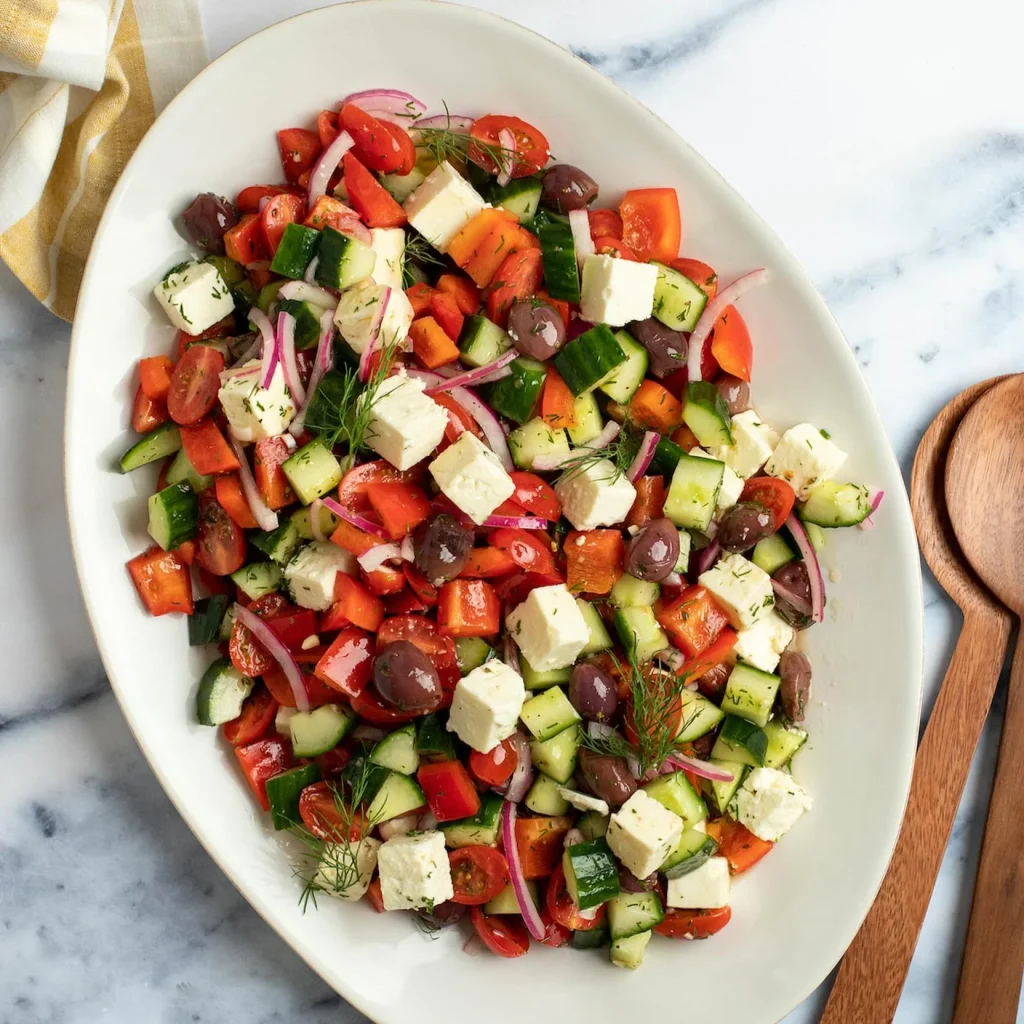
Wash and dry all produce thoroughly — excess water dilutes the dressing later. Cut tomatoes into thick wedges rather than small dice; you want substantial bites, not a chopped salad. Slice the cucumber into half-moons for even distribution. Ring the bell pepper thinly so it doesn’t overpower each forkful. Slice the red onion paper-thin, since raw onion can easily dominate if cut too thick. Arrange everything loosely in a wide, shallow bowl rather than a deep one, which helps prevent the vegetables from steaming and losing their crunch while sitting.
Add the Olives and Build the Base
Scatter the Kalamata olives evenly across the vegetables, tucking a few beneath the tomatoes so their brine seeps in gently rather than pooling on top. If using capers or garlic, add them now so their flavor has time to mingle. Avoid tossing yet — Greek salad is traditionally arranged, not mixed like a garden salad. This layered approach keeps textures distinct and prevents the tomatoes from breaking down under too much handling before serving.
Dress It Properly
In a small bowl, whisk olive oil, red wine vinegar, and a pinch of salt until slightly emulsified. Pour this over the vegetables just before serving, not earlier — early dressing draws out excess tomato liquid and waters everything down. Drizzle evenly rather than pouring in one spot. Sprinkle dried oregano generously over the top; this is the herb that gives Greek salad its unmistakable aroma, so don’t be shy with it.
Finish with Feta and Season
Place the feta as a single unbroken slab on top rather than crumbling it — this is the authentic Greek presentation, and it keeps the cheese creamy instead of dry. Drizzle a touch more olive oil directly over the feta. Finish with cracked black pepper and a light pinch of extra oregano. Let the salad rest for five minutes before serving so the flavors settle and the vegetables absorb a little of the dressing without going soggy.
Cook Time
Total:
15 minutes
Prep:
15 minutes
Bake:
Not applicable — this is a no-cook recipe
Servings
This recipe makes approximately 4 generous servings as a side dish, or 2 servings if enjoyed as a light main course alongside crusty bread. The exact yield depends on how thickly you cut the vegetables and how much feta you allow per portion, but this ratio has consistently worked well for both everyday meals and casual entertaining.
If you’re serving this at a gathering, it scales effortlessly — simply double the vegetables and use two blocks of feta rather than crumbling one thinly across a larger bowl. Keeping the feta-to-vegetable ratio consistent is what preserves the authentic taste at any scale.
For meal prep purposes, portion the vegetables and dressing separately from the feta and olives, then combine just before eating to maintain optimal texture and prevent sogginess over multiple days.
Common Mistakes in This Recipe
The most frequent mistake is cutting the vegetables too small. Greek salad is meant to be rustic and chunky, not diced like a pico de gallo. When pieces are too small, the salad turns mushy quickly and loses the textural contrast that makes it satisfying.
Another common issue is crumbling the feta instead of leaving it whole. While crumbled feta isn’t wrong, it changes the character of the dish entirely and often leads to over-salting, since crumbled feta disperses saltiness more aggressively than a solid block sitting on top.
Many home cooks also dress the salad too far in advance. Tomatoes and cucumbers release water once salted or exposed to acid, and letting the salad sit dressed for too long results in a watery, diluted bowl by the time it’s served.
Finally, skipping quality olive oil is a quiet but significant mistake. Since the dressing is minimal and unmasked by other flavors, a flavorless oil leaves the entire salad tasting flat and underwhelming.
Solutions to Common Mistakes
To fix inconsistent texture, cut tomatoes into wedges and cucumbers into half-moons rather than small cubes. This preserves the traditional bite and prevents the salad from turning into a wet, mushy mixture within minutes of assembly.
Keep the feta as a single block on top of the salad instead of crumbling it beforehand. This not only looks more authentic but also controls saltiness better, letting diners break the cheese apart themselves at the table.
Always dress the salad immediately before serving, not earlier. If you need to prep ahead, store the cut vegetables and dressing in separate containers and combine only when you’re ready to eat.
Invest in a decent bottle of extra virgin olive oil specifically for salads like this one. Since so few ingredients are involved, the quality of the oil directly determines how good the final dish tastes.
Nutritional Information (approx. per serving)
- Calories: 210 kcal
- Protein: 7g
- Carbohydrates: 9g
- Fat: 17g
- Fiber: 2.5g
- Sodium: 480mg
- Calcium: 15% DV
This salad delivers a meaningful dose of vitamin C and antioxidants from the raw tomatoes, cucumber, and bell pepper, all of which support immune function and skin health without any cooking-related nutrient loss.
Feta cheese contributes calcium and protein while remaining lighter than many other cheeses, making it a reasonable choice for those managing calorie intake without giving up flavor or satiety.
Extra virgin olive oil is rich in monounsaturated fats, which are associated with better heart health markers when used in place of more processed oils or heavy dressings.
Kalamata olives add healthy fats along with a modest source of iron, rounding out a dish that feels indulgent but is nutritionally efficient for its calorie count.
Storage Instructions
Greek salad is best enjoyed fresh, but leftovers can be stored properly if handled with a little care. Transfer any remaining salad to an airtight container and refrigerate promptly rather than leaving it at room temperature.
If you anticipate leftovers, it’s wise to store the dressing separately from the start. Undressed vegetables keep their crunch far longer than pre-dressed ones, which soften and release liquid within hours.
Refrigerated leftovers, if already dressed, are best eaten within one day for optimal texture. Undressed components can last up to three days when stored in separate airtight containers in the refrigerator.
Avoid freezing this salad entirely. The high water content in tomatoes and cucumbers breaks down cell structure during freezing, resulting in an unappetizing, mushy texture once thawed that cannot be restored.
Suggestions
Serve this salad alongside grilled chicken, lamb skewers, or fish for a complete Mediterranean-style meal that feels light yet satisfying without requiring much additional cooking effort on your part.
Pair it with warm pita bread or a crusty baguette to soak up the flavorful dressing pooling at the bottom of the bowl, which is often the best part of the entire dish.
For a heartier version, add cooked chickpeas or orzo pasta to transform this side salad into a filling main course suitable for lunch or a light dinner on warmer evenings.
If you’re hosting, present the salad in a wide platter rather than a deep bowl. It looks more impressive and allows guests to see the layered ingredients before mixing them themselves.
Seasonal Relevance
Greek salad reaches its absolute peak during the summer months, when tomatoes and cucumbers are at their ripest and most flavorful, making this the ideal season to prepare it regularly.
During colder months, look for cherry or vine tomatoes instead of large beefsteak varieties, as they tend to retain better flavor and texture even when out of peak season availability.
This salad also works well as a refreshing counterpoint to heavier winter meals, offering a bright, acidic contrast to richer dishes like roasted meats or creamy pasta bakes during colder weather.
Regardless of season, sourcing good-quality feta and olive oil matters more than the exact ripeness of the vegetables, since these two ingredients carry much of the dish’s flavor year-round.
Final Words
This Greek salad recipe proves that simplicity, when executed with care, consistently outperforms complexity. There’s nothing hidden here — just quality ingredients treated properly and combined with intention rather than habit.
Once you make it correctly a few times, you’ll likely stop measuring and start trusting your instincts, adjusting the vinegar or oregano to suit your own taste over time.
It’s a recipe worth returning to throughout the year, not just during summer cookouts, because it adapts easily to whatever protein or side dish you’re serving alongside it.
Make it once properly, and it earns a permanent spot in your weekly rotation — reliable, quick, and consistently satisfying without ever feeling repetitive or boring.
Frequently Asked Questions
Can I use regular table vinegar instead of red wine vinegar?
You can, but the flavor will be sharper and less nuanced. Red wine vinegar offers a rounder acidity that complements the olives and feta better, so it’s worth using if available for the most authentic result.
Why does my salad turn watery so quickly?
This usually happens because tomatoes and cucumbers were salted or dressed too early. Salt draws out moisture through osmosis, so always season and dress the salad right before serving to avoid a diluted, watery bowl.
Is it necessary to use Kalamata olives specifically?
Kalamata olives are traditional and offer a distinct fruity, briny flavor that green olives don’t replicate. While substitutions work in a pinch, Kalamata olives remain the closest to what you’d find in an authentic Greek preparation.
The Greek Salad You’ll Want to Make Every Week
4
servings15
minutes210
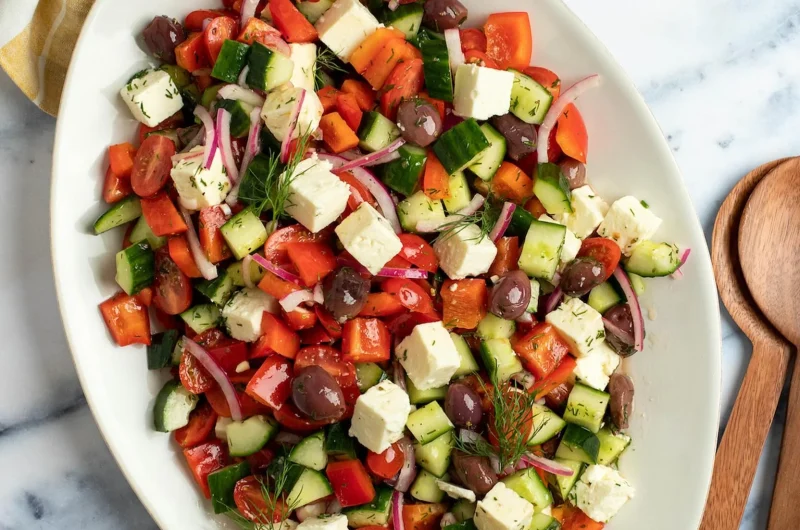
kcalA vibrant, no-cook Greek salad loaded with juicy tomatoes, crisp cucumber, briny olives, and creamy feta, finished with a simple olive oil and oregano dressing for authentic Mediterranean flavor.
Ingredients
Base Ingredients:
3 large ripe tomatoes, cut into wedges
1 English cucumber, sliced into half-moons
1 green bell pepper, sliced into rings
1/2 red onion, thinly sliced
1/2 cup Kalamata olives
200 grams block feta cheese
1/4 cup extra virgin olive oil
2 tablespoons red wine vinegar
1 teaspoon dried oregano
Salt, to taste
Freshly cracked black pepper, to taste
Optional Add-ins:
1 teaspoon capers, drained
1/2 teaspoon dried mint
1 clove garlic, minced
1/4 cup fresh parsley, chopped
A pinch of chili flakes
1 tablespoon lemon juice
Directions
- Wash and dry all vegetables thoroughly.
- Cut tomatoes into wedges and cucumber into half-moons.
- Slice bell pepper into rings and red onion paper-thin.
- Arrange vegetables loosely in a wide, shallow bowl.
- Scatter Kalamata olives evenly, tucking some beneath the tomatoes.
- Add optional capers or garlic now, if using.
- Whisk olive oil, red wine vinegar, and a pinch of salt.
- Drizzle dressing evenly over the vegetables just before serving.
- Sprinkle dried oregano generously on top.
- Place the feta as a whole block on top (do not crumble).
- Drizzle a touch more olive oil directly over the feta.
- Finish with cracked black pepper and a light pinch of oregano.
- Let rest for 5 minutes before serving.
Recipe Video
Notes
- Use a wide, shallow bowl to prevent vegetables from steaming and losing crunch.
- Dress the salad only right before serving to avoid excess water release.
- Keep feta whole rather than crumbled for authentic flavor and texture.
- Store leftovers with dressing separate from vegetables to maintain freshness.
- Best consumed within 1 day if already dressed; undressed components last up to 3 days refrigerated.
- Do not freeze — texture breaks down significantly upon thawing.