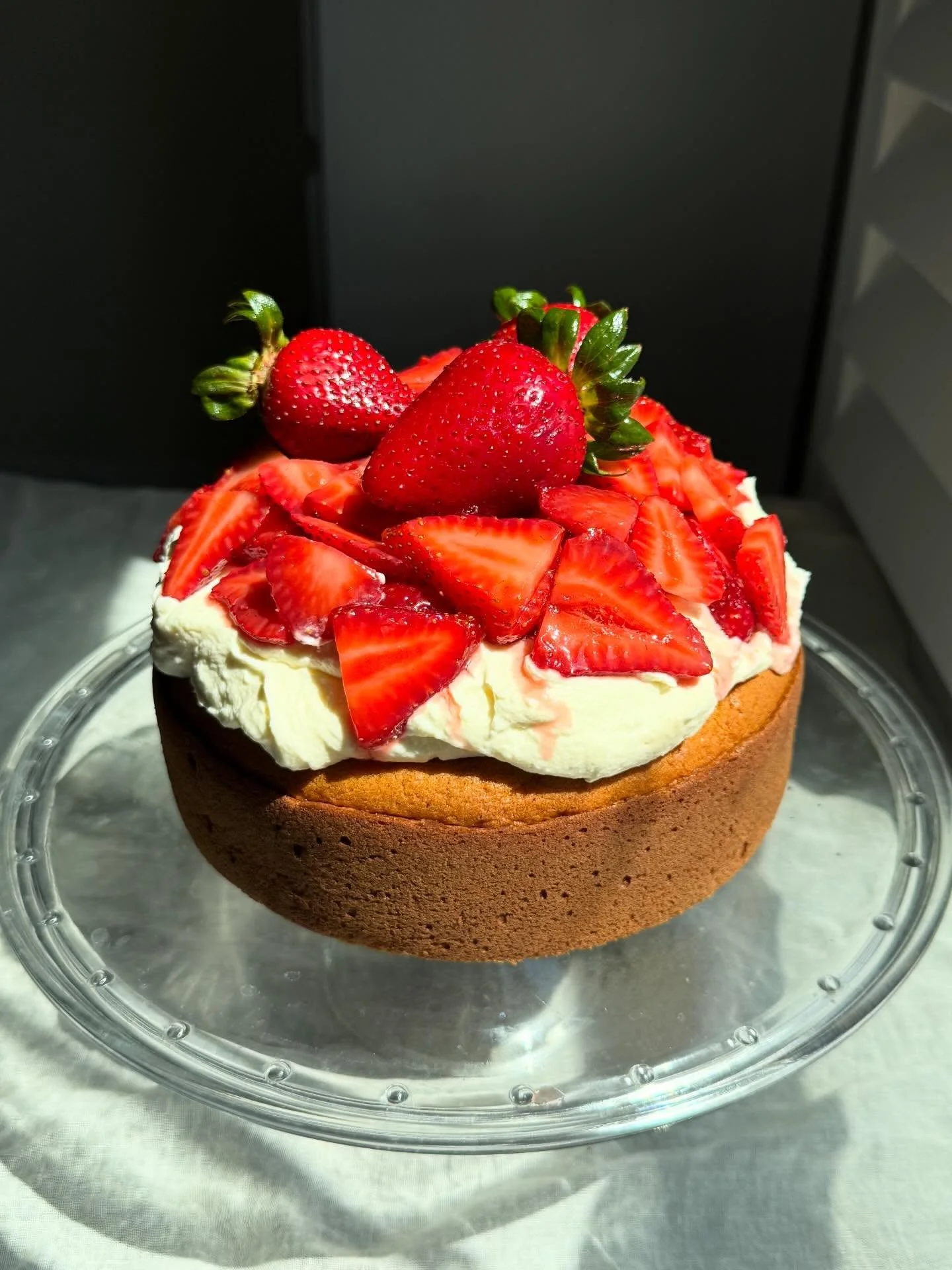
There’s a reason strawberry shortcake has stayed on dessert tables for generations without ever going out of style. It’s simple, it’s honest, and when made correctly, it tastes like the peak of summer no matter what season you’re in. This isn’t a recipe built on shortcuts or boxed mixes. It’s a from-scratch version that respects the craft behind a proper buttermilk biscuit and macerated berries.
Most versions you’ll find online lean too sweet, too dense, or too soggy by the time they hit the table. The biscuit turns to mush under the weight of the cream, or the berries release so much liquid that everything collapses into a puddle. That’s not what we’re doing here. This recipe is built for structure, flavor balance, and that perfect contrast between flaky, buttery shortcake and juicy, glossy strawberries.
What makes this version different is technique. Cold butter, minimal handling, and a proper macerating time for the berries all matter more than people realize. Every step here exists for a reason, and I’ll walk you through exactly why.
By the end of this article, you’ll have a strawberry shortcake that holds its shape, tastes rich without being cloying, and looks like something out of a bakery window. Let’s get into it.
Ingredients You’ll Need
Great shortcake starts with a short ingredient list treated with real intention, not a long one padded with filler.
Base Ingredients
- 2 cups all-purpose flour
- 1/4 cup granulated sugar, plus extra for topping
- 1 tablespoon baking powder
- 1/2 teaspoon salt
- 1/2 cup unsalted butter, cold and cubed
- 3/4 cup heavy cream, cold
- 1 large egg
- 1 teaspoon vanilla extract
- 2 pounds fresh strawberries, hulled and sliced
- 1/3 cup granulated sugar (for macerating berries)
- 1 1/2 cups heavy whipping cream (for topping)
- 2 tablespoons powdered sugar (for whipped cream)
Optional Add-ins
- 1 teaspoon lemon zest (for the shortcake dough)
- 1 tablespoon balsamic vinegar (for deeper berry flavor)
- 1/2 teaspoon almond extract (in the whipped cream)
- 2 tablespoons chopped fresh mint (for garnish)
- 1 tablespoon turbinado sugar (for a crunchy biscuit top)
Step-by-Step Instructions
Prepare the Strawberries
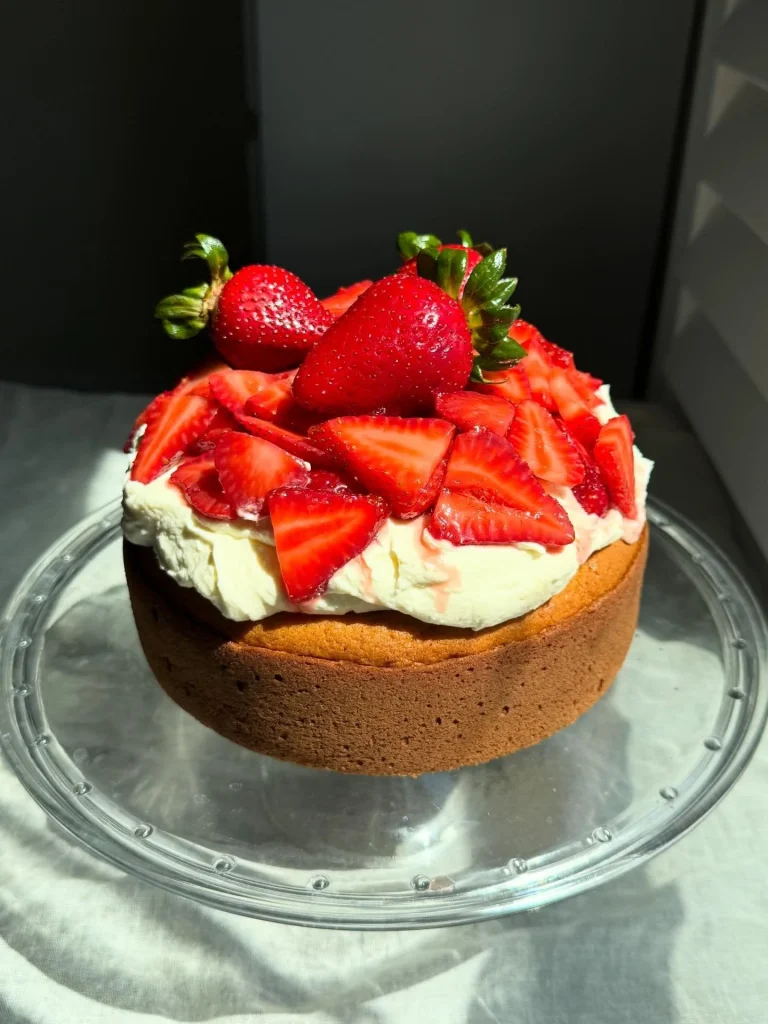
Slice the strawberries and place them in a bowl with the sugar. Toss gently and let them sit at room temperature for at least 30 minutes. This draws out natural juices and creates a glossy, syrupy coating without any cooking involved. If using balsamic vinegar, stir it in now. Do not skip this resting time; it’s what gives the berries their signature juicy texture and concentrated flavor without turning them mushy or overly wet.
Mix the Dry Ingredients
In a large bowl, whisk together the flour, sugar, baking powder, and salt until evenly combined. This step ensures the leavening agent is distributed throughout the flour, which is essential for an even rise. If you’re adding lemon zest, mix it in here. A quick, thorough whisk prevents pockets of baking powder that can create uneven, bitter-tasting spots in the finished biscuit.
Cut in the Butter
Add the cold cubed butter to the flour mixture. Using a pastry cutter or your fingertips, work the butter into the flour until it resembles coarse crumbs with some pea-sized pieces remaining. Keeping the butter cold is critical here. Those small chunks of unmelted butter are what create steam pockets in the oven, giving you that signature flaky, layered texture instead of a flat, dense biscuit.
Add Wet Ingredients
In a separate small bowl, whisk together the cold heavy cream, egg, and vanilla extract. Pour this mixture into the flour and butter mixture, stirring gently with a fork just until a shaggy dough forms. Avoid overmixing at all costs. Overworked dough develops gluten, which leads to tough, chewy biscuits instead of the tender, pillowy texture you’re aiming for in a proper shortcake.
Shape and Cut the Dough
Turn the dough out onto a floured surface and pat it gently into a rectangle about one inch thick. Fold it over itself two or three times to create light layers, then pat it down again. Use a round cutter to cut out biscuits, pressing straight down without twisting. Twisting the cutter seals the edges and prevents the biscuits from rising evenly in the oven.
Bake to Golden Perfection
Place the shortcakes on a parchment-lined baking sheet, brush the tops with a little cream, and sprinkle with sugar. Bake in a preheated 425°F oven for 15 to 18 minutes, until golden brown and risen. Let them cool on a wire rack for at least 10 minutes before assembling. Cooling prevents the whipped cream from melting the moment it touches the warm biscuit surface.
Whip the Cream
While the biscuits cool, whip the heavy cream with powdered sugar and almond extract, if using, until soft peaks form. Do not overwhip, or the cream will turn grainy and start to separate. Soft, billowy peaks hold their shape without becoming stiff or buttery, giving you that light, cloud-like texture that pairs perfectly with the juicy berries and tender biscuit.
Assemble the Shortcakes
Split each biscuit in half horizontally. Spoon a generous portion of the macerated strawberries and their juices over the bottom half, followed by a dollop of whipped cream. Place the top half of the biscuit on, then finish with more berries and cream. Garnish with fresh mint if desired. Serve immediately while the biscuit still has its structure and crisp edges intact.
Cook Time
Total:
55 minutes
Prep:
35 minutes
Bake:
18 minutes
Servings
This recipe makes approximately 8 individual strawberry shortcakes, making it ideal for a family dinner, a small gathering, or a weekend brunch spread. Each shortcake is generously portioned with a full biscuit split in half, layered with juicy berries and freshly whipped cream, so a single serving feels indulgent without needing seconds.
If you’re serving a larger crowd, the recipe scales easily. Simply double the biscuit dough and berry quantities, keeping the whipped cream fresh by preparing it closer to serving time so it maintains its texture and doesn’t deflate while waiting on the table.
For smaller households, the unbaked biscuits freeze exceptionally well, so you can bake only what you need and save the rest for another craving. This makes the recipe practical for both entertaining and everyday enjoyment.
Common Mistakes in This Recipe
The most frequent mistake is using warm or softened butter in the biscuit dough. When butter is too soft, it blends into the flour instead of staying in distinct pieces, resulting in a dense, cakey biscuit rather than a flaky one. Bakers often assume any butter will work, but temperature control here directly determines the final texture.
Another common issue is overmixing the dough once the wet ingredients are added. It’s tempting to stir until everything looks perfectly smooth, but this develops gluten and leads to tough, chewy shortcakes instead of tender ones.
Skipping the maceration time for the strawberries is another misstep. Rushing this step means the berries stay firm and the syrupy juice that makes shortcake so satisfying never fully develops.
Finally, many people assemble the shortcakes too far in advance, causing the biscuits to turn soggy and lose their structural integrity before serving.
Solutions to Common Mistakes
To avoid dense biscuits, keep your butter refrigerated until the moment you need it, and consider chilling your flour mixture beforehand on particularly warm days. Some bakers even freeze the butter and grate it directly into the flour for better control over the size of the pieces.
When combining wet and dry ingredients, stir only until the dough just comes together and still looks slightly shaggy. A few visible streaks of flour are perfectly fine and will incorporate as you fold and shape the dough.
Always macerate your strawberries for a minimum of 30 minutes, and up to an hour if time allows, to develop that glossy, syrupy juice.
Assemble each shortcake right before serving, keeping components separate and chilled until the final moment.
Nutritional Information (approx. per serving)
- Calories: 410 kcal
- Protein: 5g
- Carbohydrates: 42g
- Fat: 25g
- Saturated Fat: 15g
- Fiber: 3g
- Sugar: 18g
- Sodium: 320mg
Beyond being a treat, this dessert offers genuine nutritional upside thanks to fresh strawberries, which are rich in vitamin C, antioxidants, and dietary fiber. A single serving of berries contributes meaningfully toward daily vitamin intake while adding natural sweetness that reduces the need for excess processed sugar elsewhere in the dish.
The whipped cream, while indulgent, is made from real dairy rather than stabilized or artificial toppings, meaning you’re consuming recognizable ingredients without preservatives or synthetic additives.
Homemade biscuits also give you full control over sodium and sugar levels, something store-bought shortcake bases rarely offer.
Enjoyed in moderation, this dessert can fit comfortably into a balanced diet, especially when strawberries are in peak season and at their most nutrient-dense.
Storage Instructions
Unassembled shortcake biscuits store best in an airtight container at room temperature for up to two days, though they’re always at their peak texture on the day they’re baked. For longer storage, keep them in the refrigerator for up to four days, though the biscuits will soften slightly over time.
Macerated strawberries should be refrigerated in a sealed container and will keep well for up to three days, continuing to develop flavor as they sit in their own juices.
Whipped cream is best made fresh, but if needed, it can be refrigerated for up to 24 hours; simply re-whip briefly before using if it starts to separate.
Avoid storing fully assembled shortcakes, as the biscuit will absorb moisture from the cream and berries within hours, losing its signature texture and structural integrity almost immediately.
Suggestions
For an extra layer of flavor, consider brushing the warm biscuits with a touch of melted butter and a light dusting of cinnamon sugar right out of the oven. This small addition adds warmth without overpowering the fresh berry flavor that defines the dish.
If you want a more elegant presentation for entertaining, assemble the shortcakes in clear glass cups, layering biscuit pieces, berries, and cream like a trifle for individual servings that look polished with minimal effort.
Swapping in a mix of berries, such as raspberries or blackberries alongside strawberries, adds complexity and a slightly tart edge that balances the sweetness of the cream.
For a boozy adult version, a splash of Grand Marnier or Chambord stirred into the macerated berries adds depth and a subtle floral warmth that pairs beautifully with the cream.
Seasonal Relevance
Strawberry shortcake is inseparable from late spring and early summer, when strawberries are at their peak ripeness, sweetness, and affordability. This is the window when berries need the least added sugar to shine, making the dessert taste noticeably better than versions made with out-of-season fruit.
That said, the recipe adapts well beyond peak season. Frozen strawberries, thawed and drained slightly, can substitute reasonably well during colder months, though fresh will always deliver superior texture and flavor.
This dessert also fits naturally into warm-weather entertaining, from Mother’s Day brunches to Fourth of July gatherings, where its light, refreshing profile suits outdoor dining far better than heavier baked desserts.
Its visual appeal, with vivid red berries against golden biscuits and white cream, also makes it a natural centerpiece for seasonal celebrations and photography-worthy table settings.
Final Words
Strawberry shortcake is one of those desserts that rewards attention to detail far more than complexity. There’s no obscure technique or hard-to-find ingredient standing between you and a genuinely excellent result, just careful handling of butter, dough, and timing.
Once you’ve made it from scratch with properly macerated berries and a flaky, buttery biscuit, it becomes difficult to settle for the spongy, overly sweet versions found in grocery store bakeries.
This recipe is designed to be repeatable, forgiving enough for beginner bakers while still offering the depth and technique that experienced cooks appreciate. It’s a dessert that earns its place on the table through flavor, not flash.
Make it once this season, and it’s likely to become a recurring request from anyone who tastes it, especially during the months when strawberries are at their absolute best.
Frequently Asked Questions
Can I make the biscuit dough a day ahead of baking?
Yes, you can prepare the dough, shape it, and refrigerate it tightly wrapped for up to 24 hours before baking. This actually helps the butter stay cold, often resulting in an even flakier finished biscuit.
Why did my strawberries turn out watery instead of syrupy?
This usually happens when berries are macerated for too long or with overripe fruit. Stick to the recommended 30 to 60 minute window and use firm, fresh strawberries for the best syrupy consistency.
Can I use a biscuit mix instead of making dough from scratch?
You can, but the texture and flavor won’t match a homemade version. Store-bought mixes often contain preservatives and produce a denser, less buttery biscuit compared to one made fresh with cold butter and cream.
The Best Strawberry Shortcake Recipe with Fresh Berries and Cream
8
servings35
minutes18
minutes410
kcalThis homemade strawberry shortcake combines flaky, buttery biscuits with juicy macerated strawberries and soft whipped cream. Cold butter, gentle handling, and proper maceration create a tender, structured dessert that is rich, fresh, and perfectly balanced.
Ingredients
Base Ingredients
2 cups all-purpose flour
1/4 cup granulated sugar, plus extra for topping
1 tablespoon baking powder
1/2 teaspoon salt
1/2 cup unsalted butter, cold and cubed
3/4 cup heavy cream, cold
1 large egg
1 teaspoon vanilla extract
2 pounds fresh strawberries, hulled and sliced
1/3 cup granulated sugar, for macerating berries
1 1/2 cups heavy whipping cream, for topping
2 tablespoons powdered sugar, for whipped cream
Optional Add-ins
1 teaspoon lemon zest, for the shortcake dough
1 tablespoon balsamic vinegar, for deeper berry flavor
1/2 teaspoon almond extract, in the whipped cream
2 tablespoons chopped fresh mint, for garnish
1 tablespoon turbinado sugar, for a crunchy biscuit top
Directions
- Slice the strawberries and toss them gently with 1/3 cup sugar. Let them sit at room temperature for at least 30 minutes until juicy and syrupy. Add balsamic vinegar if using.
- Preheat the oven to 425°F and line a baking sheet with parchment paper.
- Whisk together the flour, sugar, baking powder, and salt. Add lemon zest if using.
- Cut the cold cubed butter into the flour mixture until coarse crumbs form, leaving some pea-sized butter pieces.
- Whisk together the cold heavy cream, egg, and vanilla. Add to the flour mixture and stir gently until a shaggy dough forms. Do not overmix.
- Turn the dough onto a floured surface. Pat it into a rectangle about 1 inch thick, fold it over itself two or three times, and gently pat it down again.
- Cut the dough into rounds using a round cutter, pressing straight down without twisting.
- Place the shortcakes on the prepared baking sheet. Brush the tops with a little cream and sprinkle with sugar or turbinado sugar if using.
- Bake for 15–18 minutes, until golden brown and risen. Cool on a wire rack for at least 10 minutes.
- Whip the heavy cream with powdered sugar and almond extract, if using, until soft peaks form. Do not overwhip.
- Split each biscuit horizontally. Add macerated strawberries and their juices to the bottom half, followed by whipped cream.
- Place the top half of the biscuit over the filling and finish with more strawberries and whipped cream. Garnish with fresh mint if desired. Serve immediately.
Recipe Video
Notes
- Keep the butter cold until you are ready to use it for the flakiest biscuits.
- Avoid overmixing the dough, as this can make the shortcakes tough.
- Macerate the strawberries for at least 30 minutes and up to 1 hour for the best syrupy texture.
- Assemble the shortcakes immediately before serving to prevent the biscuits from becoming soggy.
- Unassembled biscuits can be stored in an airtight container at room temperature for up to 2 days.
- Macerated strawberries can be refrigerated for up to 3 days.
- Whipped cream is best made fresh but can be refrigerated for up to 24 hours.
- Unbaked biscuits can be frozen so you can bake only what you need.
- Optional additions include lemon zest, balsamic vinegar, almond extract, fresh mint, and turbinado sugar.